Senior Editor: Alan Agbele
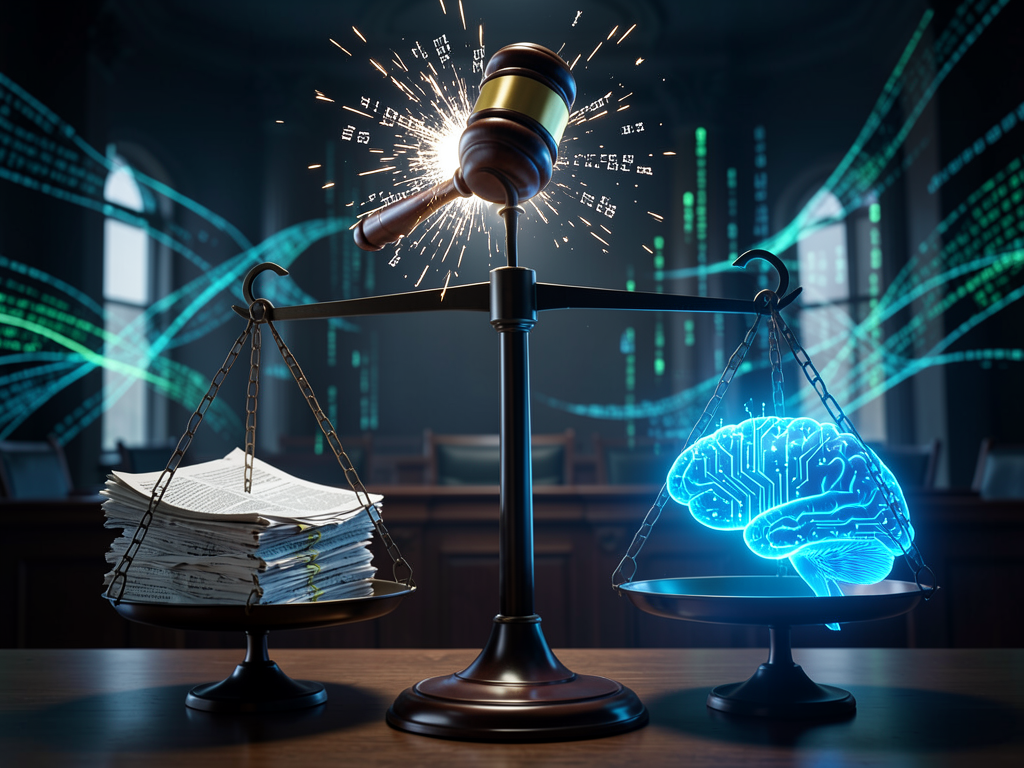
Millions of people treat ChatGPT as a private confidant for legal questions, health concerns or emotional struggles. Those conversations, however, carry no legal shield. A subpoena, a phone search or discovery in a civil lawsuit can expose every word to a judge, a jury or opposing counsel.
How ChatGPT Conversations Enter the Legal Record
Courts and law enforcement can access ChatGPT chat logs through several established legal mechanisms. The risk extends beyond direct subpoenas to the company that operates ChatGPT. A phone or computer containing the conversation history is itself vulnerable to search warrants or forensic analysis in litigation.
The absence of legal privilege means there is no basis to resist such requests. Users cannot claim the chats are protected communications the way they could with a lawyer or a doctor.
Why This Matters
The lack of privacy protections for ChatGPT interactions creates a fundamental tension between convenience and legal risk. As people increasingly rely on AI chatbots for sensitive personal guidance, the potential for those confidences to surface in court will grow. For the legal system, the absence of a recognized privilege means judges have no standard framework for excluding AI chat evidence. For users, the practical takeaway is that digital conversations with ChatGPT carry no more legal protection than a postcard. Anyone using the tool for sensitive matters should assume the content could be read by a third party in a courtroom.
The Privacy Gap in AI Communication
Existing laws governing digital privacy were written before conversational AI existed. The Electronic Communications Privacy Act and similar statutes do not classify AI chat interactions as privileged communications. No federal or state law has yet extended doctor-patient or attorney-client confidentiality to AI platforms. That regulatory gap leaves users exposed in ways that many do not anticipate.
The situation echoes early debates about email privacy in the 1990s. Courts initially treated email as no different from a postcard, and it took years of litigation and new legislation to establish some protections. For ChatGPT, that evolution has not begun. The burden falls on users to understand that a conversation with an AI chatbot is not a private consultation but a digital record that can be used against them in court.