Editor: Porcia Akua Holmes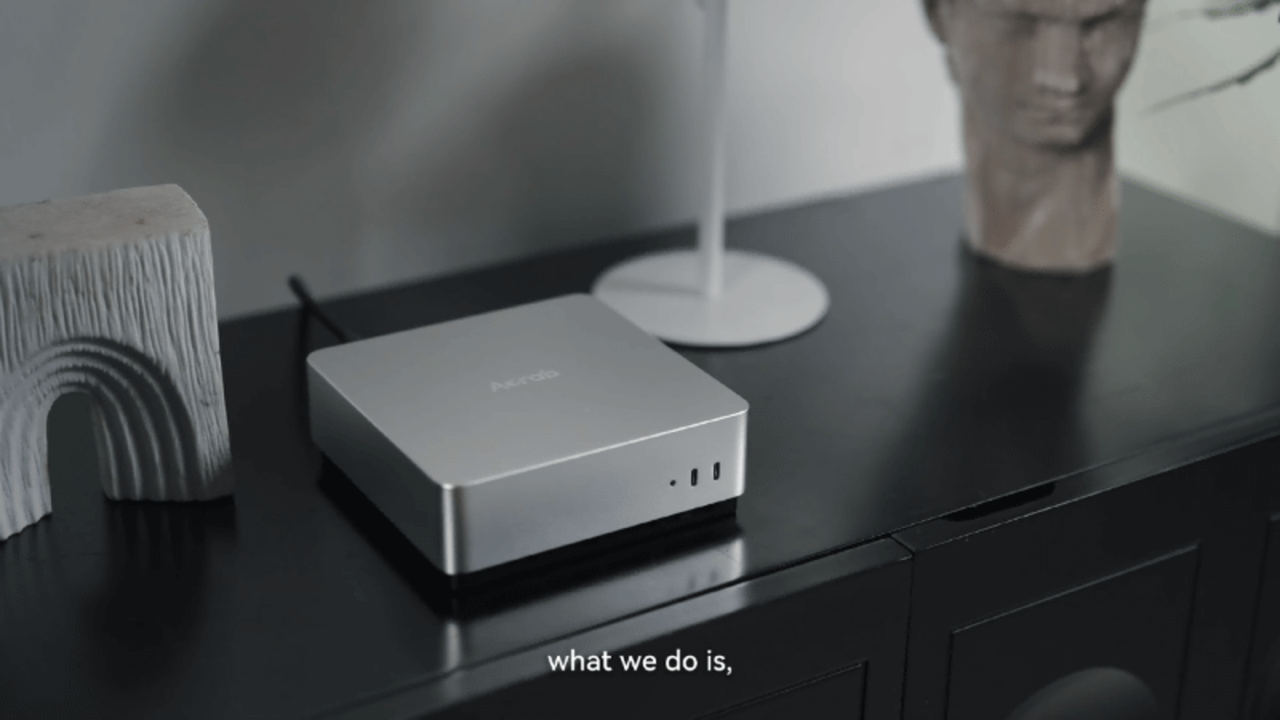
A Singapore-based startup backed by the world's largest battery manufacturer has unveiled a compact desktop computer designed to run large language models locally at a fraction of the cost of Nvidia's flagship AI appliance. Acrab's Agent Box, powered by a proprietary chip called G≡LIX 1, aims to bring agentic AI workloads to the edge without relying on cloud services.
The Agent Box Hardware
The G≡LIX 1 system-on-chip combines a 20-core Arm CPU, a 3 TFLOPS GPU, and a multicore neural processing unit optimized for large language model inference. The chip accesses 273GB/s of high-bandwidth unified memory and includes an 8MB L1 cache alongside a 768GB/s L2 cache. Acrab says the processor reaches 700 TOPS while keeping the entire system small enough to sit on a desk.
In internal testing, the Agent Box achieved a prefill rate of 1,416.8 tokens per second under a Gemma 26B A4B configuration. That compares with 188.9 tokens per second on an Apple Mac Mini M4 Pro, representing a claimed 7.5 times improvement in prefill speed over conventional consumer hardware. The NPU benefits from VAE vector acceleration that reportedly speeds up attention processing by up to three times.
Software Ecosystem and CATL Backing
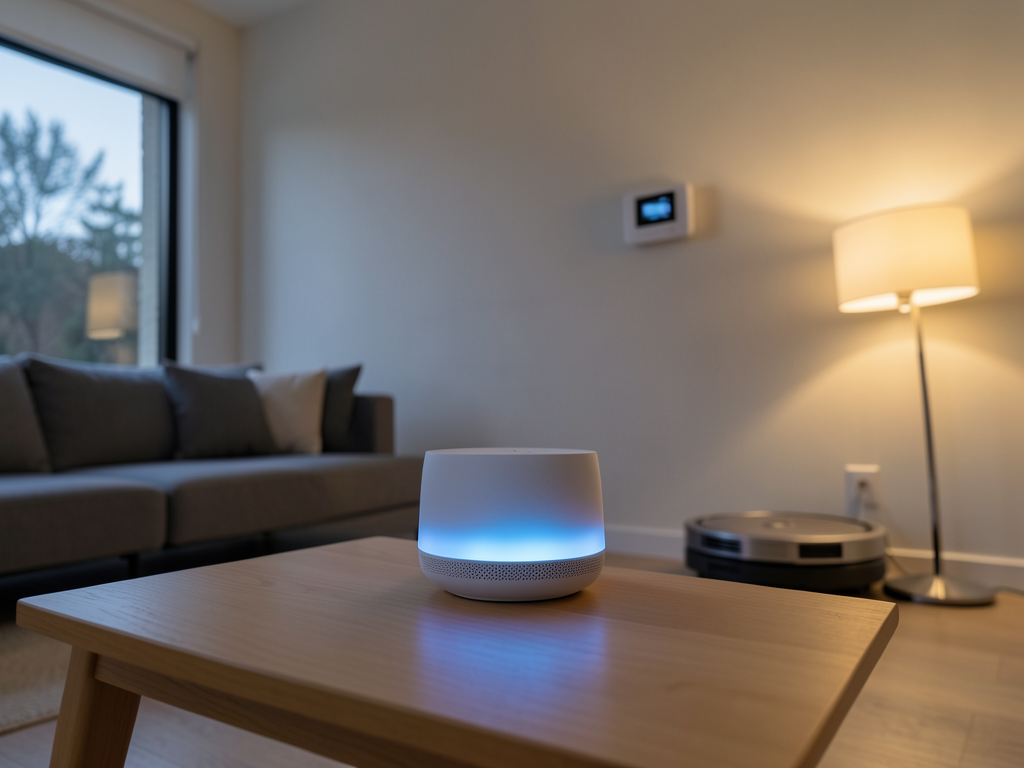
Beyond the hardware, Acrab provides a complete software platform with AI runtimes, developer toolchains, an operating system, reference designs, and orchestration tools for autonomous agents. Demonstrations showed the Agent Box handling voice commands to create and print 3D models, operate robotic vacuum cleaners, and control smart home devices including lights, air conditioners, and locks.
The company plans to extend its computing platform into AI NAS systems, industrial robots, service robots, and smart vehicles through hardware partnerships. Copyright notices accompanying the announcement reference CATL, the world's largest electric vehicle battery manufacturer. That relationship, if it reflects financial backing, could provide Acrab with significant resources to scale production and compete with established players.
Why This Matters
The Agent Box represents a direct challenge to Nvidia's dominance in the AI hardware market, which has long relied on expensive, power-hungry GPUs for both training and inference. By offering comparable performance at one-fifth the cost and half the power consumption, Acrab's device could accelerate the shift toward edge AI where models run locally rather than in the cloud. For developers and enterprises, this means lower operating costs, improved data privacy, and the ability to deploy AI agents in environments with limited or intermittent internet connectivity. CATL's potential involvement signals that a major industrial player sees value in moving AI inference to the edge, which could spur further investment and competition in this segment.