Senior Editor: Alan Agbele
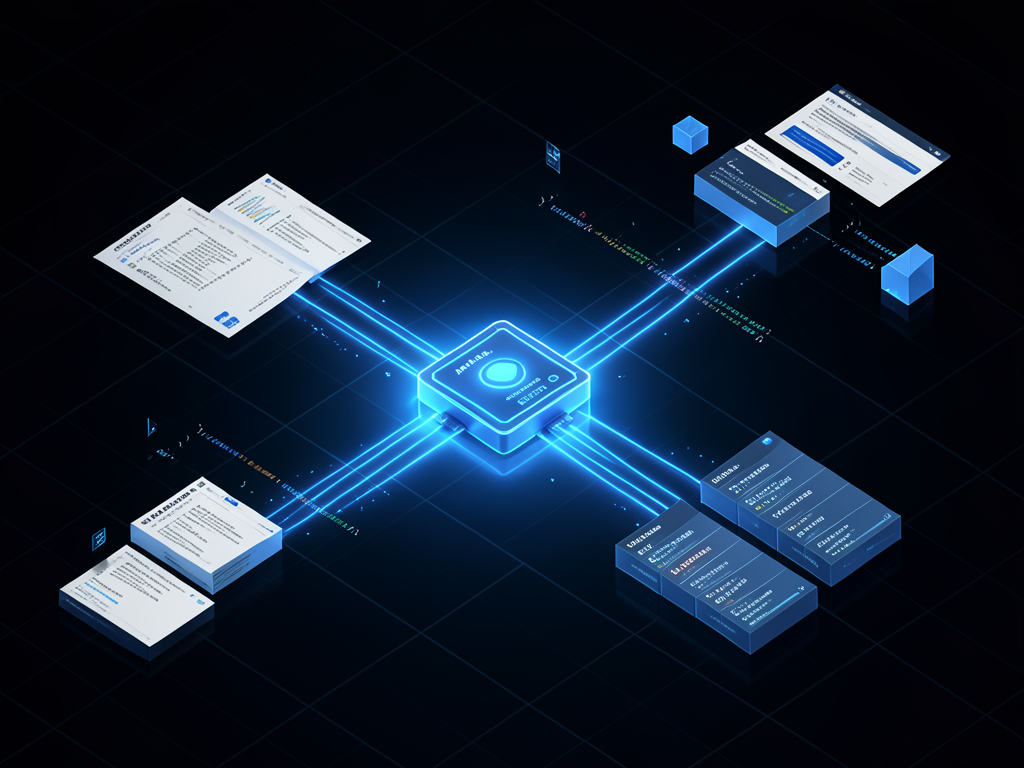
Organizations that manage user identities across multiple cloud services face a deceptively difficult problem: keeping directory data consistent. Building reliable directory sync systems requires engineers to navigate trade-offs between speed and accuracy, often under strict performance constraints.
The Core Engineering Problem
The fundamental challenge in directory sync is reconciling two opposing goals: data consistency and low latency. A simple approach polls the entire directory on a timer, but that becomes impractical as the user base grows. Incremental sync reduces load but introduces complexity around change tracking, ordering and duplicate events.
Network failures add another layer. A sync job might partially succeed, leaving some records updated while others remain stale. Without careful error handling and retry logic, the system drifts out of alignment. Developers must decide between eventual consistency and strong consistency, each with different performance characteristics.
Why This Matters
Directory sync failures have direct real-world consequences. A provisioning delay can lock new hires out of critical tools for hours or days. A partial sync might grant former employees lingering access, creating a security liability. Compliance frameworks such as SOC 2 and HIPAA require tight identity controls, meaning sync errors can trigger audit findings.
Companies using multiple SaaS platforms are especially vulnerable. Each integration adds another sync target, multiplying failure points. The operational burden falls on engineering teams that must debug inconsistency issues across different APIs and data formats. As organizations grow, the cost of manual reconciliation becomes unsustainable.
Key Approaches to Sync
Engineers have developed several strategies to balance reliability and performance. Each comes with trade-offs that depend on the scale and criticality of the directory.
Common Failure Points
Even well-designed sync pipelines encounter predictable failure modes. Identifying them early can prevent data corruption and reduce debugging time.
Operational Best Practices
Production sync systems need observability and automation. Teams should implement health checks that compare record counts between source and target, and set up alerts for sync drift. Idempotent operations ensure that re-running a sync does not create duplicates. Building robust directory sync requires continuous investment in monitoring and testing rather than a one-time implementation.