Senior Editor: Alan Agbele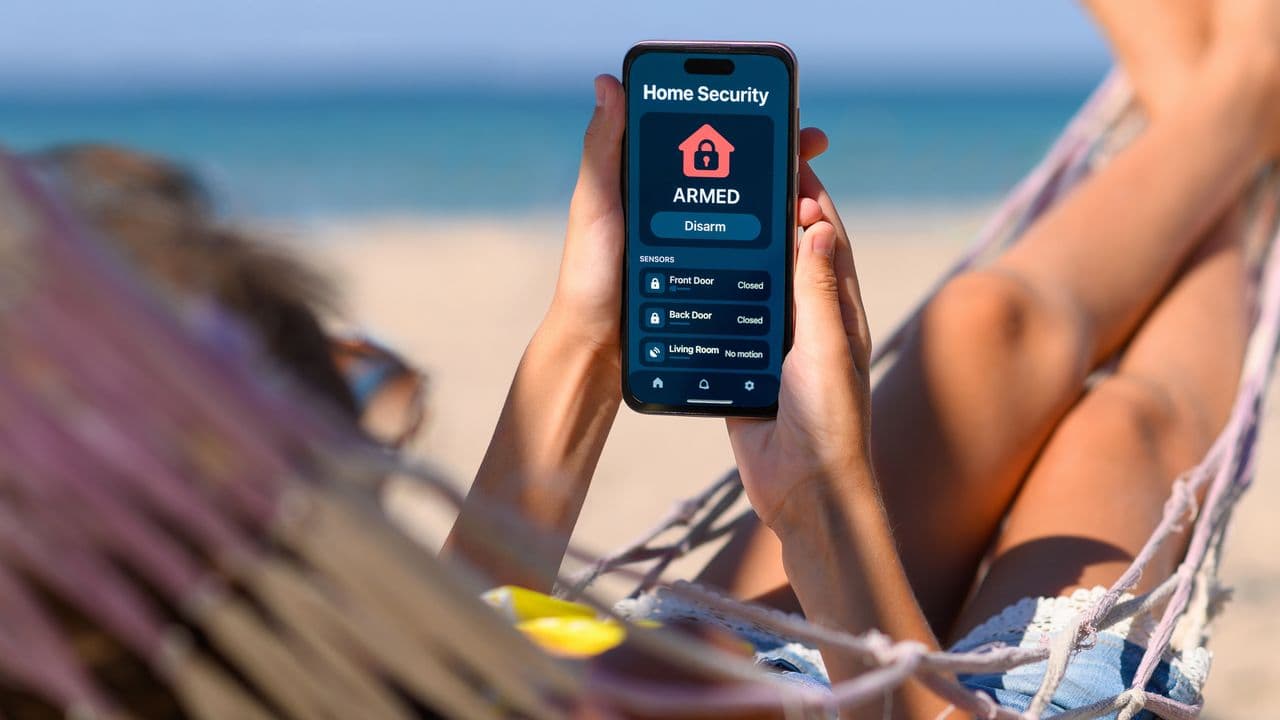
The home security industry has reached a turning point. Homeowners no longer need to invest in expensive, professionally installed systems to protect their property during summer vacations. Budget-friendly cameras from Amazon-owned brands Blink and Ring, alongside Chinese manufacturers such as Reolink and Aqara, have made basic surveillance accessible to nearly any household.
The Shift to Affordable DIY Security
According to security tech expert Chris Price, the core strategy for summer protection starts with a simple indoor camera aimed at the most vulnerable entry point, such as a back door. A device like the Google Nest Cam IQ Indoor can detect both motion and specific sounds like breaking glass. However, cheaper options from Amazon, Blink and Ring now offer similar capabilities. Chinese manufacturers such as Reolink and Aqara have further expanded the market, providing pan-and-tilt models and solar-powered floodlight cameras at competitive price points.
Local Storage vs. Cloud Subscriptions
Price prefers storing footage locally on a MicroSD card. While cloud storage offers convenience and AI-driven features such as facial recognition, it typically requires a monthly subscription. Local storage is generally more secure against data breaches and eliminates recurring costs. What the homeowner gains is full control over their recordings without ongoing payments to companies like Ring or Blink. However, the trade-off is that you must purchase the SD card separately and manage the footage manually.
Why This Matters
The democratization of home security means that even budget-conscious households can now deploy a credible deterrent against summer burglaries. As Chinese brands like Reolink and Aqara continue to innovate, pressure mounts on established players to lower subscription fees or offer more flexible local storage options. For consumers, the long-term cost comparison between a one-time purchase and a recurring service will increasingly influence purchasing decisions. The broader implication is a market where privacy, cost and functionality are no longer reserved for those who can afford professional installation.