Senior Editor: Alan Agbele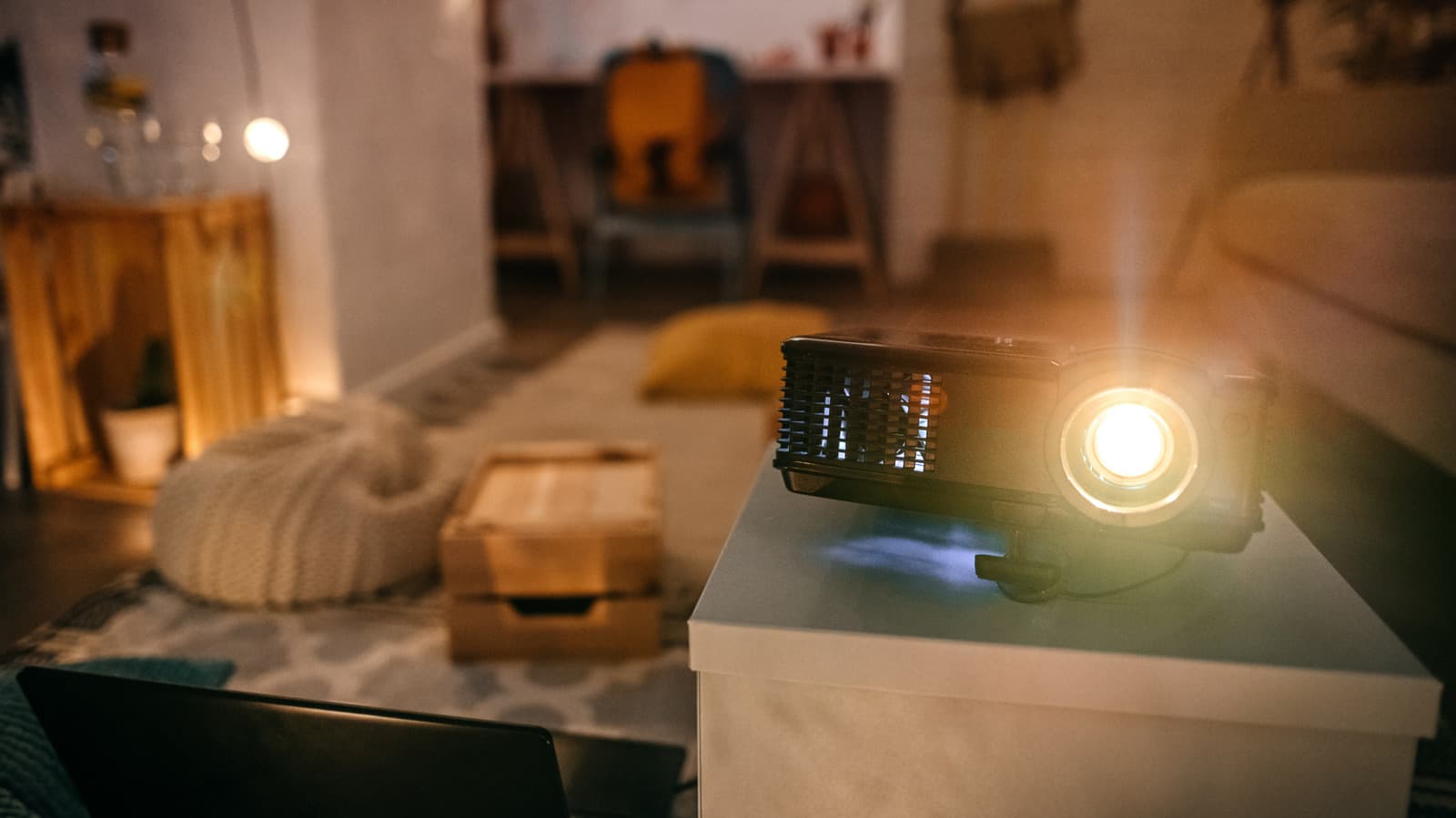
Budget projectors have flooded the consumer electronics market, offering tempting price tags that often mask significant performance compromises. Industry data shows a sharp rise in returns and negative reviews for sub-$200 models, with many buyers discovering the biggest disadvantages of buying a budget projector only after the initial excitement fades.
Price vs. Performance Trade-Offs
The most common compromise in budget projectors is brightness. Many models rated at 200 to 300 ANSI lumens fail to produce watchable images in anything but complete darkness. Ambient light, even a small lamp, washes out the picture entirely. This limitation makes them unsuitable for daytime viewing or living rooms with windows.
Resolution is another frequent pitfall. A projector labeled "HD Ready" may accept a 1080p signal but downscale it to a native 720p or even 480p panel. The result is softer images and visible pixel structure, especially on larger screens. Consumers expecting crisp Blu-ray quality often feel misled.
Build Quality and Longevity Concerns
Budget projectors often use plastic lenses and basic cooling fans that generate noticeable noise. The fans can reach 35–40 decibels, distracting during quiet movie scenes. Lamp life is commonly rated at 20,000 to 30,000 hours, but actual brightness degrades significantly after the first few hundred hours of use.
Connectivity options are sparse. Many budget models lack HDMI 2.0 inputs, limiting support for 4K sources or HDR content. Some omit basic audio outputs or Bluetooth, forcing users to rely on the projector's built-in speakers, which are typically small and tinny. The biggest disadvantages of buying a budget projector include these hidden costs of upgrading cables, adapters and external speakers.
Why This Matters
The budget projector market has grown rapidly, fueled by online retailers and aggressive pricing. But the user experience gap between budget and mid-range models is widening. Consumers who buy based on price alone risk spending $200 to $300 on a projector that performs worse than a $100 television. The frustration and return rates are prompting some retailers to tighten their return policies on projectors, which could affect future buyers. For anyone considering a home theater setup, understanding these trade-offs is essential to avoid a purchase that delivers more disappointment than entertainment.
What to Look for Instead
For a reliable experience, experts recommend projectors with at least 1,000 ANSI lumens, native 1080p resolution and DLP technology with a 3-chip color wheel. These specs typically start around $500 and provide a much more satisfying viewing experience. Investing in a quality projector now can prevent the need for a costly upgrade later.