Editor: Porcia Akua Holmes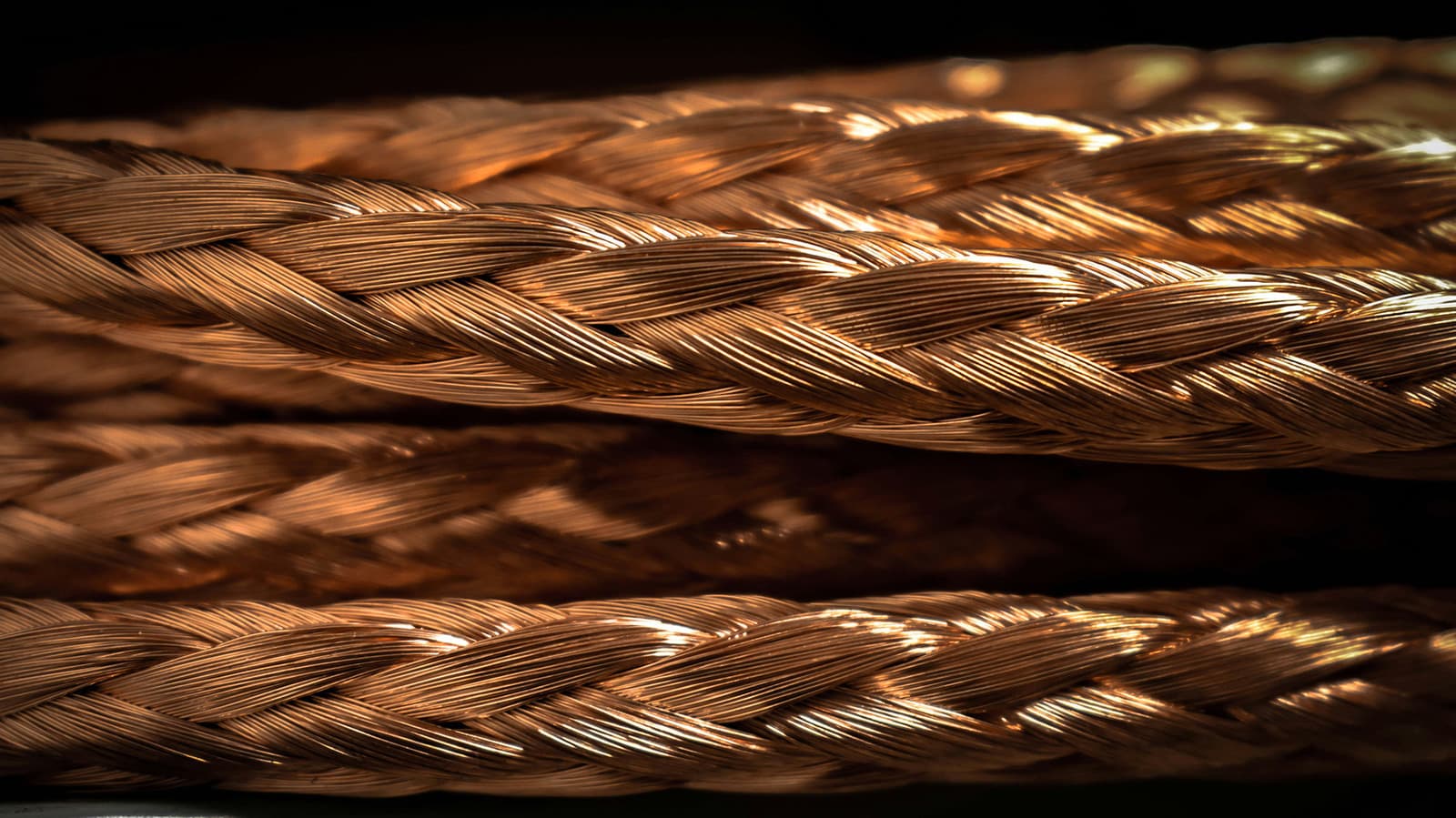
BT's legacy copper telephone network, a fixture of British infrastructure for decades, now carries a price tag far beyond its original purpose. Analysts estimate the metal buried beneath UK streets could be worth more than $2 billion if sold as scrap, giving the telecom giant a potential windfall as it races to replace copper lines with fiber optic cables.
The Hidden Treasure Underground
The valuation comes from a recent analysis by financial firm AlphaBeta, which calculated that the copper infrastructure owned by BT's subsidiary Openreach could yield over $2 billion at current commodity prices. This figure includes the copper wires themselves alongside related equipment such as junction boxes and exchange equipment. The estimate assumes efficient recovery and recycling processes, which could be complicated by the sheer scale of the network and access constraints.
Copper Switch-Off and Fiber Rollout
BT and Openreach have been pushing to retire the copper network by the end of 2025, though that deadline has been pushed back in some areas. The company is investing roughly $15 billion to build a full-fiber network, and the revenue from copper scrap could help fund the initiative. Key factors shaping the transition include:
Why This Matters
The copper network's scrap value represents more than a one-time cash injection for BT. It shifts the economics of the fiber upgrade, potentially reducing the burden on consumers and justifying faster rollout. For telecom regulators, the valuation highlights the hidden assets tied to legacy infrastructure and raises questions about how such windfalls should be accounted for. If BT recovers even a fraction of the estimated $2 billion, it could accelerate the UK's broadband transition and set a precedent for other countries still managing aging copper systems.
Environmental and Economic Questions
Recycling copper is far less energy-intensive than mining new ore, giving the plan potential environmental benefits. However, critics warn that hasty decommissioning could leave rural communities without reliable service if fiber buildout lags. Additionally, copper prices fluctuate, meaning the actual value could vary significantly by the time removal ramps up. BT, for its part, has stressed that the copper scrap revenue is a secondary consideration, with primary focus on delivering faster, more reliable fiber connections to the entire country.