Senior Editor: Alan Agbele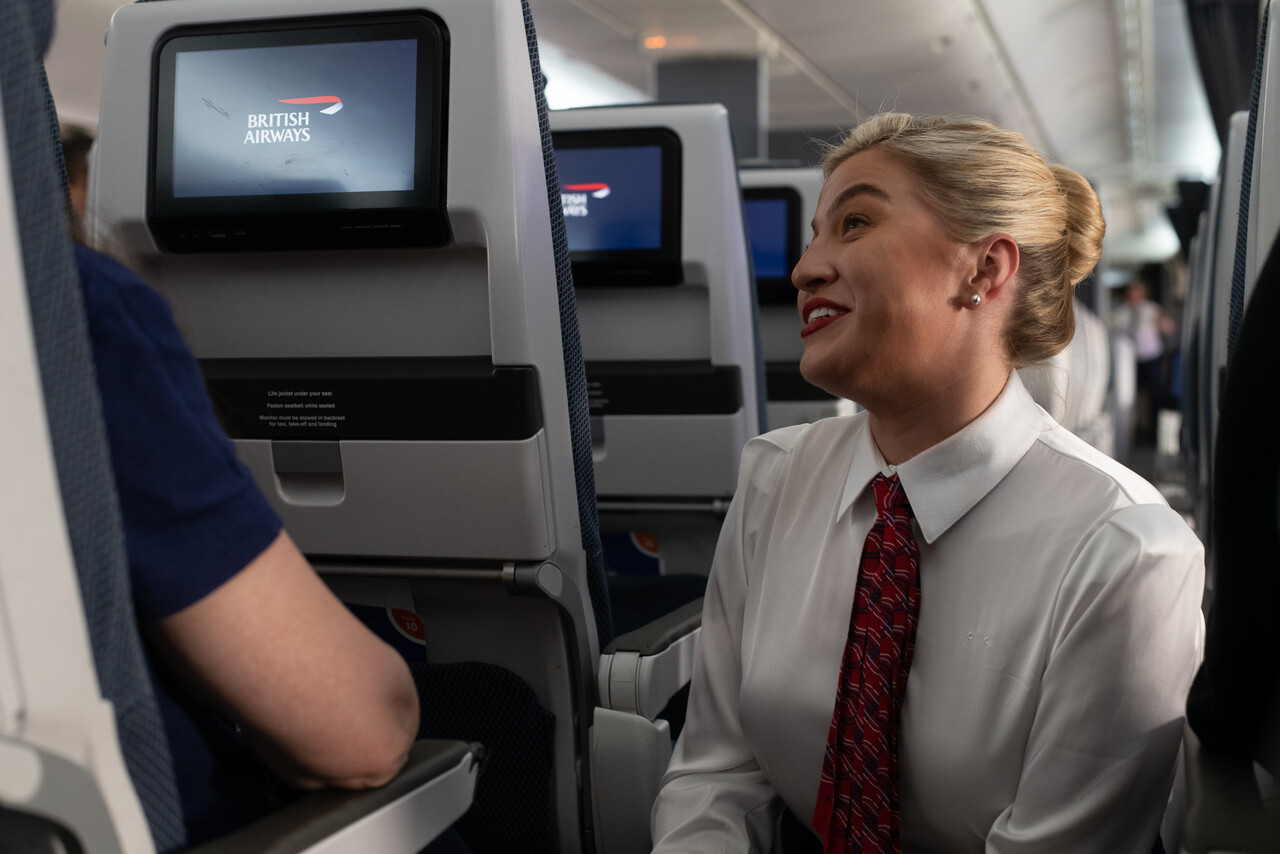
Passengers wearing Meta glasses on British Airways flights could face having their tickets cancelled if they film crew members without consent. The airline recently updated its conditions of carriage to explicitly prohibit recording staff using wearable cameras, marking one of the first major policy moves by an airline against smart glasses.
Why This Matters
The policy signals a turning point for wearable technology in regulated environments. Airlines have long banned photography of crew for security and privacy reasons, but smart glasses make enforcement far harder because the camera is built into everyday eyewear.
For Meta, whose Ray-Ban glasses have sold millions since launching in 2021, this creates a reputational challenge. The device was marketed as a hands-free way to capture life’s moments, yet its discreet nature now triggers explicit bans in aviation. Other transport sectors, including rail and ride-hailing, may follow British Airways’ lead.
What You Need to Know About the Ban
British Airways confirmed the change to its conditions of carriage, which govern the contract between the airline and passengers. The update gives crew the authority to ask passengers to stop filming and to escalate to ticket cancellation if ignored.
The airline’s move comes amid rising reports of passengers using Meta glasses to record interactions with staff. Cabin crew unions have pushed for clearer protections, arguing that existing rules were ambiguous about wearable cameras.
The Privacy Arms Race in Semi-Public Spaces
Aircraft cabins sit in a legal gray zone. They are private property, yet passengers treat them as semi-public. Airlines can set their own rules, but enforcement relies on crew observation. Smart glasses tilt the balance toward the recorder.
Meta has faced similar pushback in other settings. Gyms, casinos and restaurants have banned the glasses, citing member privacy. British Airways now joins that list, but with a sharper consequence: losing your seat.
What This Means for Travelers and Tech Companies
Travelers who rely on Meta glasses for hands-free filming should expect stricter scrutiny at boarding and during flights. Crew may ask to inspect the device or demand that recording stop. Refusal could lead to removal.
For Meta, the aviation ban adds to a growing patchwork of restrictions. Unlike a blanket federal law, these rules vary by airline and country. That fragmentation complicates product design and marketing claims about seamless capture.
Other airlines are watching closely. If British Airways’ policy proves effective, competitors may adopt similar language. The outcome will shape how wearable cameras coexist with workplace privacy rules in confined spaces.