Editor: Porcia Akua Holmes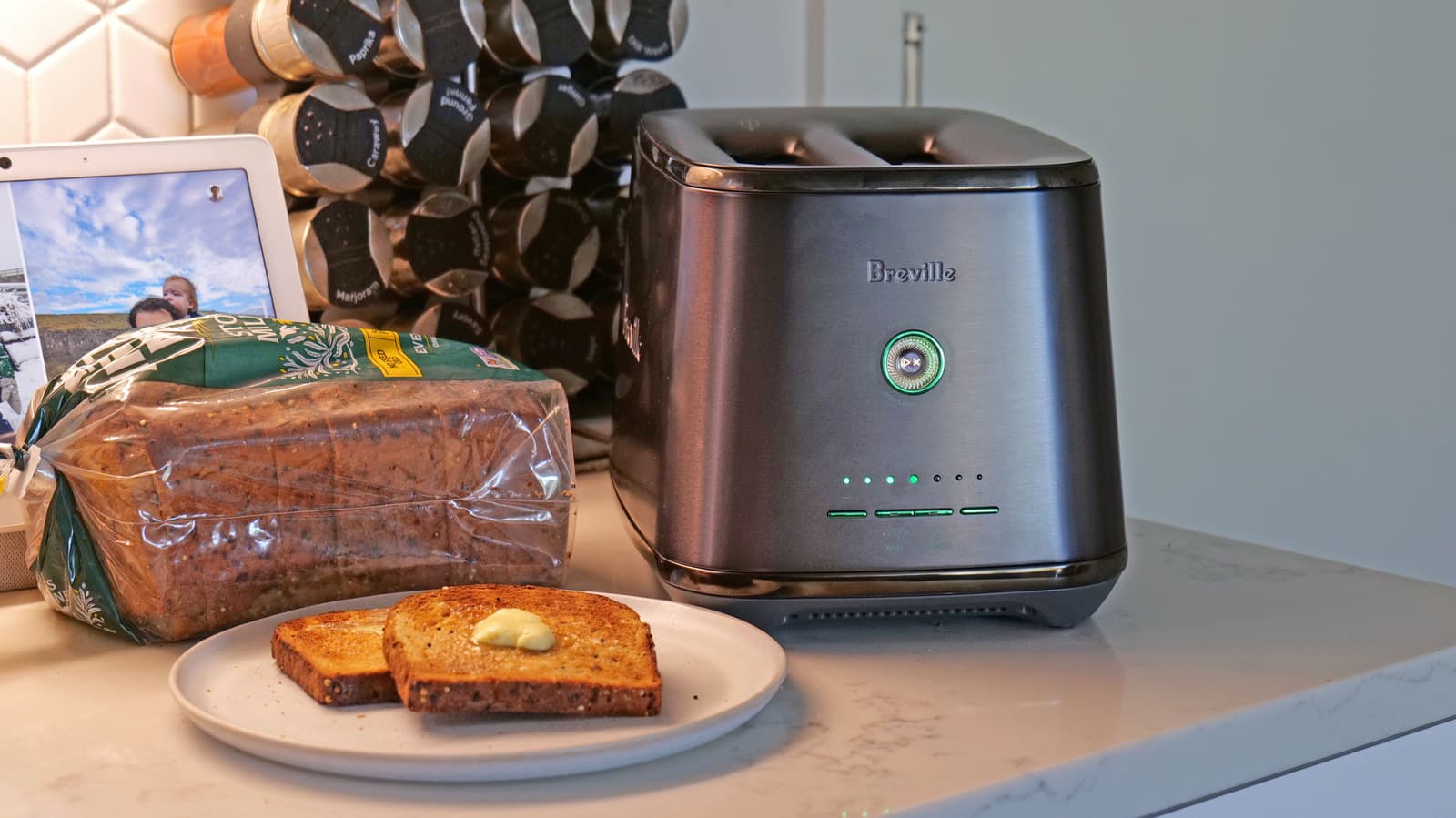
The humble toaster has remained largely unchanged for decades: set a timer, wait, hope the bread doesn’t burn. Breville is challenging that paradigm with the Eye Q Toaster, a countertop device that replaces the timer with a camera and color sensor. Instead of guessing minutes, the toaster monitors the bread’s surface and stops when it reaches a desired shade. The shift from time-based to vision-based toasting marks a notable step in the smart kitchen trend.
How the Eye Q Toaster Rethinks Toasting
The core innovation is a small CMOS camera mounted inside the toaster slot. As the bread toasts, the camera captures images at intervals and measures the browning level. When the color matches the user’s selected shade, the toaster shuts off. This approach eliminates the common issue of uneven toasting caused by room-temperature bread or voltage fluctuations. Breville says the Eye Q can also detect the type of bread and adjust accordingly, though the user can override the automatic cycle.
The technology draws from industrial color-sorting systems used in food processing. Bringing it into a home appliance at scale required miniaturizing both the optics and the processing board. Breville, known for its high-end kitchen lineup, positioned the Eye Q as a premium alternative rather than a mass-market replacement.
The $300 Question
Pricing is the most debated aspect of the Breville Eye Q Toaster. At $300, it costs more than many premium countertop ovens. Competitors such as the Panasonic FlashXpress or the Cuisinart Digital Toaster cost a fraction of that yet deliver acceptable results. Breville argues that the Eye Q eliminates waste from burnt toast and saves time previously spent monitoring the cycle. For households that toast daily, the convenience may offset the upfront cost over several years.
Industry watchers, however, see the price as a barrier to widespread adoption. The smart appliance market has struggled to convince consumers to pay a premium for connectivity features that often go unused. The Eye Q avoids some of those pitfalls by working offline and focusing purely on toasting quality. The question remains whether enough buyers will pay $300 for a toaster to make the category viable.
Why This Matters
The Breville Eye Q Toaster represents a broader trend: applying computer vision to everyday household tasks. As camera modules and processors become cheaper, more traditional appliances will likely adopt similar sensor-driven logic. Rice cookers, coffee makers and even microwaves could move from timer-based to perception-based operation. For consumers, this means fewer failed meals and more consistent results. For manufacturers, it opens a differentiation avenue in a mature market. But the success of the Eye Q will test whether consumers value precision enough to pay for it, or whether the toaster remains too simple a machine to justify such complexity.