Editor: Porcia Akua Holmes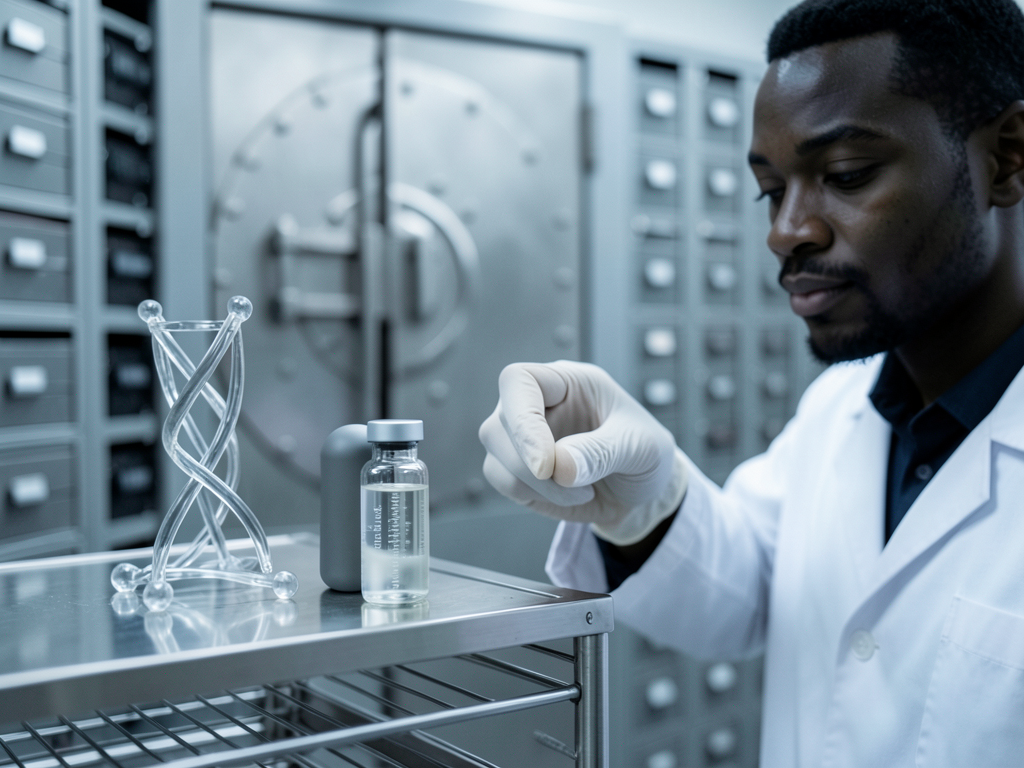
Biomemory has launched DNA Shield, a commercial service that encodes critical digital assets into synthetic DNA and stores them offline. The French company says the approach puts data beyond the reach of cyberattacks and artificial intelligence. Pilot slots opened on October 15, 2026, with a full service planned for 2027.
From Research Lab to Subscription Service
DNA Shield arrives after Biomemory acquired Boston-based DNA storage pioneer Catalog Technologies in March 2026. The deal gave the company a commercial foothold in a field long dominated by academic demonstrations.
Laurent Guengant, CEO of Biomemory, framed the launch as a turning point. "DNA Shield is the moment Biomemory moves from proving a science to delivering a commercial product," he said. He added that organizations need a place for cryptographic keys, core intellectual property, regulated records and long-term institutional memory that no single vendor, cloud or system can reach.
What You Need to Know About the Technology
The service relies on an engineered encoding scheme that Biomemory describes as biosecure. Unlike tape or disk, DNA is a physical molecule that holds information without electricity. That combination of density and durability is what separates it from conventional archives.
Vincent Franceschini, Vice President of Product Management at Biomemory and co-chair of the DNA Data Storage Alliance, said the operational bar is higher than research. "DNA Shield is built on the same molecular platform we have spent years industrializing, but it is the first time we are asking a customer to rely on it operationally rather than as a research demonstration," he said. He noted that getting encoding and authorized recovery right end to end is what makes the company first to market with Molecular IT.
Why This Matters
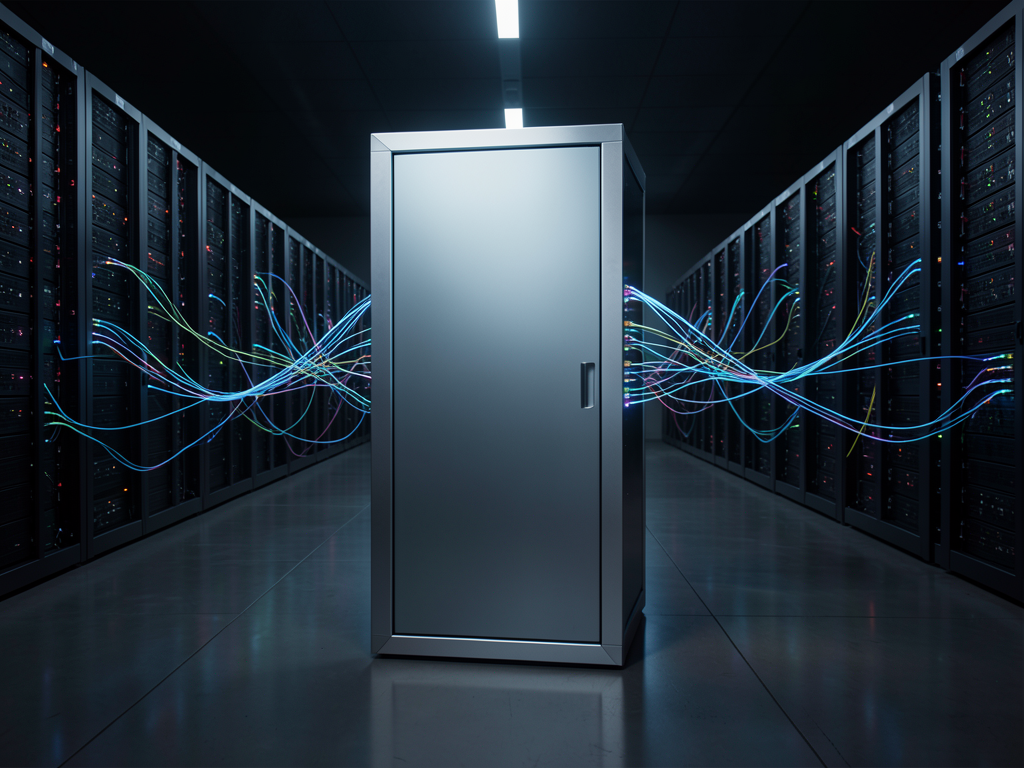
DNA Shield changes the risk calculus for organizations that hold data too sensitive to trust to a cloud provider. A molecule sitting in a controlled facility cannot be reached by a network intrusion, a ransomware crew or an AI model trained to find patterns in exposed data. That isolation is the product.
The price, however, signals that this remains a niche tool. At €10,000 per month, DNA Shield targets banks, defense contractors, research institutions and others with assets valuable enough to justify the cost. If the pilot phase succeeds, Biomemory could push molecular storage from a laboratory curiosity into a standard option for long-term digital preservation.
Market Implications and Open Questions
Biomemory is not alone in pursuing DNA data storage. The DNA Data Storage Alliance, which Franceschini co-chairs, includes major technology and life sciences players working on standards for encoding and retrieval. Commercial adoption will depend on whether customers trust a startup with data they consider irreplaceable.
The 150-year lifespan claim also invites scrutiny. Longevity tests for synthetic DNA are difficult to run in real time, so Biomemory will need to convince buyers that accelerated aging studies translate to real-world durability. The company has not yet published independent verification of that figure.
For now, DNA Shield is a bet that the most valuable data is the data no one can touch. Whether that bet pays off will become clearer as pilot customers report results between now and 2027.