Editor: Porcia Akua Holmes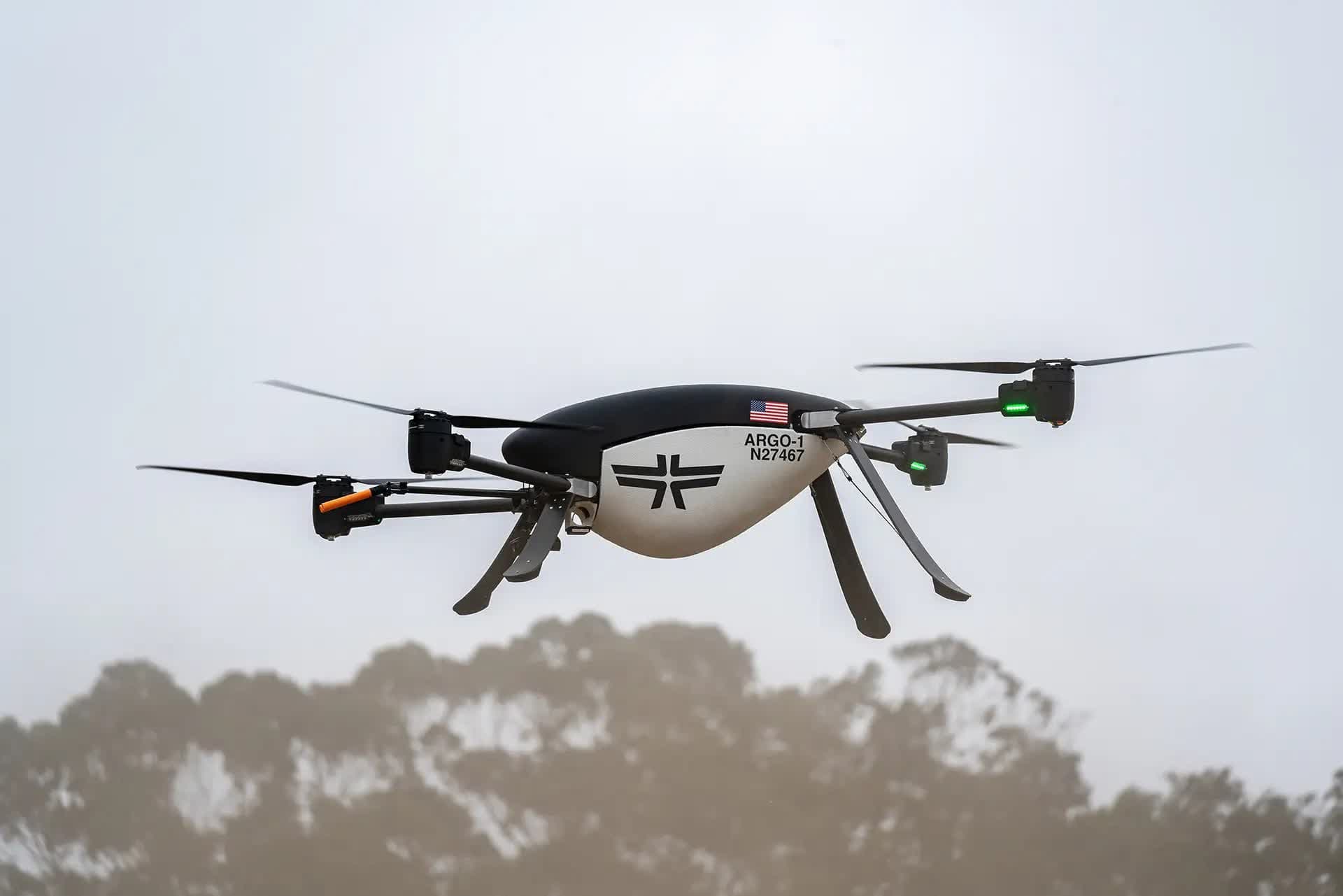
Autonomous drones capable of directly attacking wildfires are being tested by U.S. fire departments, shifting from passive observation to active firefighting intervention. A California company recently demonstrated a system that allows firefighters to direct autonomous drones to combat fires before crews even reach the scene.
How the Autonomous System Works
The system links drones to command centers, allowing remote operators to select fire targets and launch autonomous drones. These aircraft can carry fire retardant or water and navigate using onboard sensors. The goal is to drop suppressants within minutes of detection, long before ground crews arrive.
The demonstration involved simulating wildfire conditions and having drones successfully deploy retardant on designated areas. No specific company name was disclosed, but the technology represents a step forward in firefighting automation.
Why This Matters
Wildfires are growing more frequent and destructive across the United States. Traditional firefighting relies on ground crews and piloted air tankers, which take time to mobilize. Autonomous drones can cut response times from hours to minutes, potentially saving lives and billions in property damage.
For fire departments, adopting this technology means retraining personnel and integrating new equipment. But the payoff could be substantial: faster containment, reduced exposure to dangerous conditions, and lower operational costs compared to manned aircraft.
Regulatory and Operational Hurdles
The Federal Aviation Administration has strict rules on drone operations beyond visual line of sight. Firefighting drones may require waivers or new regulations to operate effectively in emergency zones. Privacy and airspace management also need addressing.
Despite these challenges, the push toward autonomous firefighting is gaining momentum. If testing succeeds, this technology could transform wildfire response in the coming years.
What This Means for Communities
Residents in wildfire-prone areas could see faster protection as drones become part of the emergency toolkit. However, widespread adoption depends on successful testing, regulatory approval, and funding.
The development signals a broader trend of autonomous systems entering high-stakes public safety roles. From search and rescue to firefighting, drones are moving beyond simple observation.