Senior Editor: Alan Agbele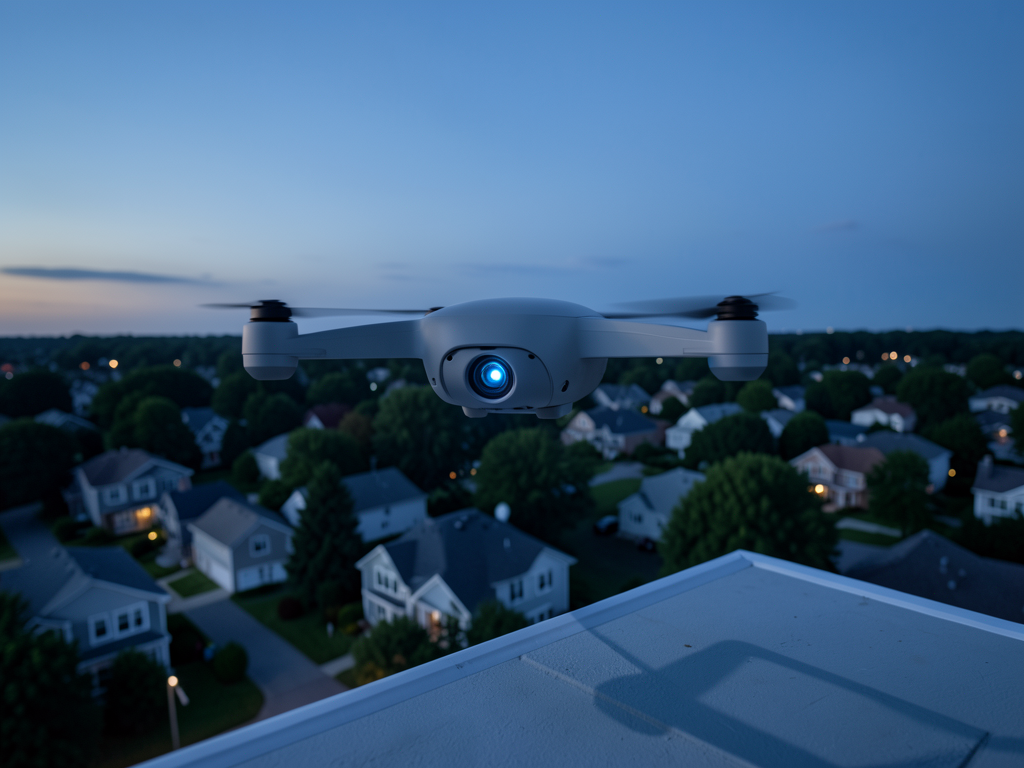
More than 1,000 police, fire and emergency management agencies across the United States have received federal waivers to launch automated drone programs. The rapid expansion of Drone as First Responder (DFR) programs is drawing sharp criticism from privacy groups who warn that the technology is outpacing legal safeguards.
How Drone as First Responder Works
DFR programs deploy drones from automated docking stations, often triggered by incoming emergency calls. The drones can provide real-time video to dispatchers and officers, helping assess situations before officers arrive on scene. The FAA waivers allow these operations beyond the usual visual line-of-sight restrictions, a key step that enables automated flight over populated areas.
Privacy Groups Sound Alarm
The Electronic Frontier Foundation (EFF) has raised concerns that the rapid deployment of DFR programs lacks meaningful public input and privacy safeguards. Critics argue that automated drones capable of persistent surveillance create a risk of mission creep, where systems designed for emergencies are used for routine monitoring or data collection on communities.
Key concerns include the lack of clear policies on video retention, facial recognition integration and who can access the footage. Without federal standards, local agencies set their own rules, leading to a patchwork of privacy protections. The EFF is calling for a moratorium on DFR expansion until comprehensive privacy legislation is in place.
Why This Matters
The shift to automated drone surveillance represents a fundamental change in the relationship between police and the public. Unlike fixed cameras or occasional helicopter flights, DFR systems can be airborne within seconds of a call, offering a persistent bird's-eye view of neighborhoods. Without robust privacy laws, cities could normalize continuous aerial surveillance with little democratic oversight. The outcome will likely set a precedent for how other rapidly advancing surveillance technologies are regulated across the country.
What's Next for Drone Regulation
The FAA continues to process waiver applications, and the number of DFR programs is expected to grow. Several states are considering bills that would require warrant requirements for drone footage or impose data retention limits. Privacy groups are urging the federal government to step in with uniform standards before the technology becomes too entrenched to rein in.