Senior Editor: Alan Agbele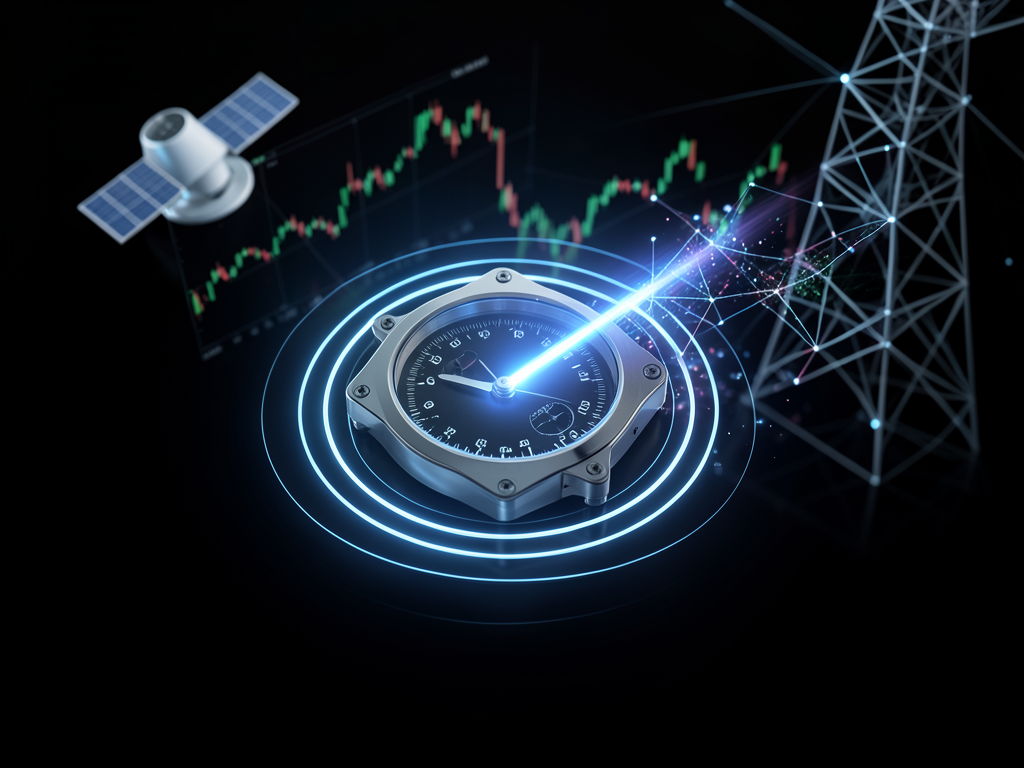
Atomic clocks have long been the gold standard for timekeeping, but recent breakthroughs are pushing their accuracy and accessibility to new levels. A new generation of chip-scale atomic clocks promises to bring laboratory-grade precision to consumer devices, reshaping industries from telecommunications to autonomous navigation.
The State of Atomic Clock Technology
Researchers at the National Institute of Standards and Technology have developed an optical atomic clock that loses only one second every 30 billion years. This level of accuracy is a significant leap from the cesium-based clocks that define the current global standard. The new clock uses strontium atoms and laser cooling to achieve unprecedented stability.
Commercial applications are already emerging. Companies like Microsemi and Orolia are producing compact atomic clocks for military and aerospace use. The challenge now is to reduce cost and size enough for widespread adoption in smartphones and IoT devices.
Why This Matters
The shift toward smaller, cheaper atomic clocks will directly affect the reliability of autonomous vehicles, which require split-second timing to avoid collisions. Financial markets will see tighter spreads and lower risk as timestamp accuracy improves. For everyday users, better GPS means more accurate navigation and faster emergency response.
Atomic clocks are also critical for scientific research, from testing fundamental physics to measuring gravitational waves. As these devices become more accessible, they will accelerate discoveries across multiple disciplines.
Challenges Ahead
Despite the promise, hurdles remain. Power consumption is still high for battery-operated devices. Environmental factors such as temperature and vibration can affect performance. The industry must also address regulatory issues around frequency allocation and interference.
Recent comments on the Hacker News discussion about atomic clocks reveal skepticism about the timeline for consumer adoption. Engineers point out that integrating atomic clocks into smartphones would require significant changes to chip design and power management.
Nevertheless, the momentum is clear. Atomic clocks are moving from specialized labs into the mainstream. Within a decade, they could become as common as quartz oscillators are today.