Editor: Porcia Akua Holmes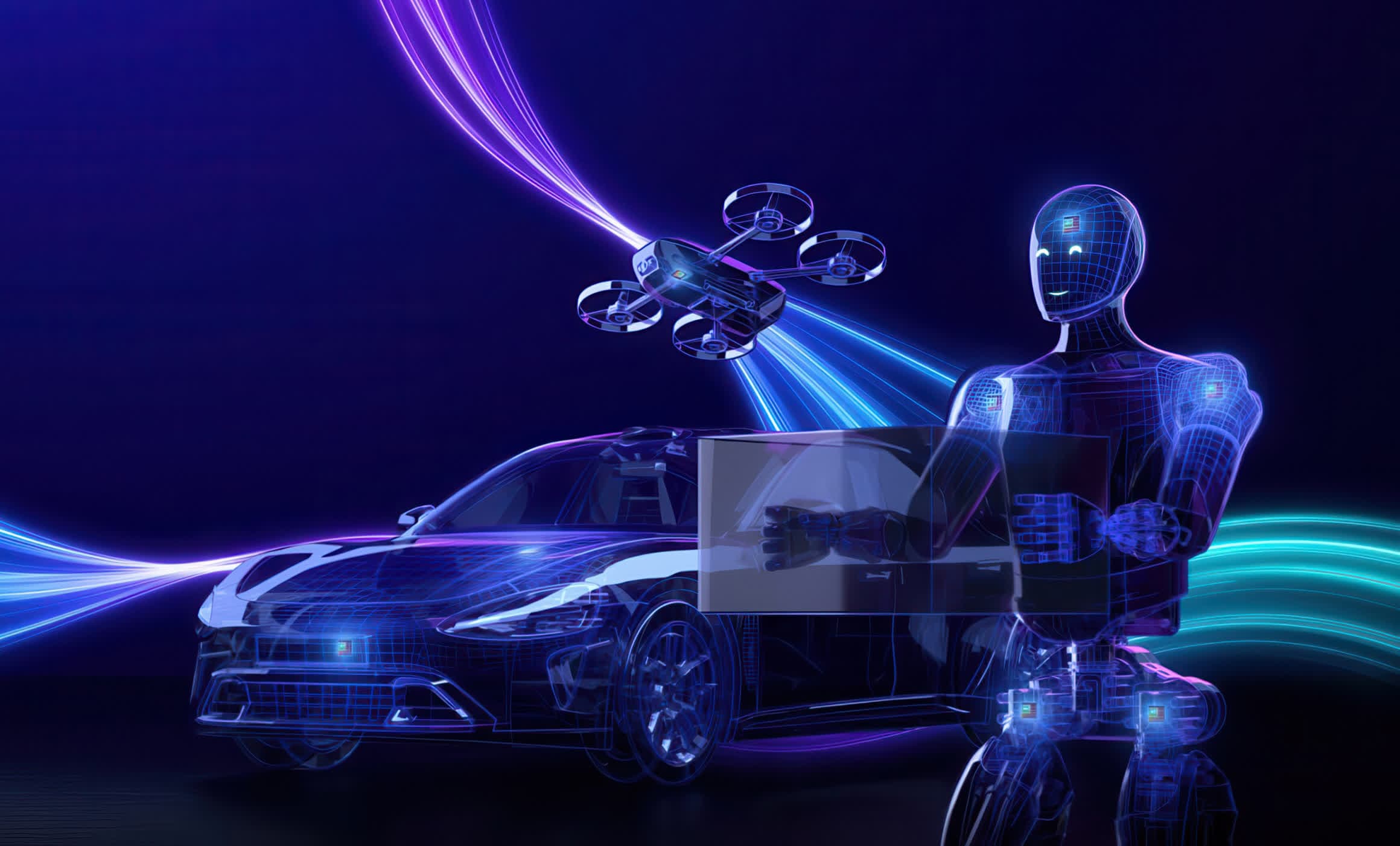
Arm has unveiled a new mobile GPU design that packs neural acceleration into a sub-1-watt power envelope. The Mali G2-Ultra NX, announced at the Arm Everywhere China event, adds dedicated neural processing units directly into the graphics architecture, enabling on-device AI tasks without taxing battery life.
New GPU Architecture Tailored for On-Device AI
The Mali G2-Ultra NX separates itself from previous Arm GPUs by integrating dedicated neural accelerators within the graphics pipeline. This design allows the chip to handle machine learning inference alongside traditional rendering without a separate neural processing unit. Arm claims the architecture can deliver AI graphics performance at under one watt, a critical threshold for battery-powered devices.
Why This Matters
The arrival of sub-watt neural GPUs changes the calculus for mobile AI. Device makers can now run sophisticated AI models locally for tasks like real-time photo editing, augmented reality and natural language processing without sending data to the cloud. This reduces latency and improves user privacy. For Arm, the Mali G2-Ultra NX represents a direct challenge to competitors like Qualcomm and MediaTek, who are also integrating AI accelerators into their mobile chips. The design could accelerate the adoption of on-device AI across a wider range of price points, not just flagship phones.
Broader AI Ecosystem Push
Arm's event extended beyond mobile graphics. The company announced enhancements for physical AI and robotics as well as AI infrastructure for cloud and enterprise environments. The Mali G2-Ultra NX fits into a larger strategy of providing energy-efficient compute for AI at every scale. As edge AI grows, having a GPU that can handle both graphics and neural workloads in a unified architecture becomes increasingly important. Arm is positioning its IP portfolio to capture demand from smartphones to smart cameras and industrial sensors.