Senior Editor: Alan Agbele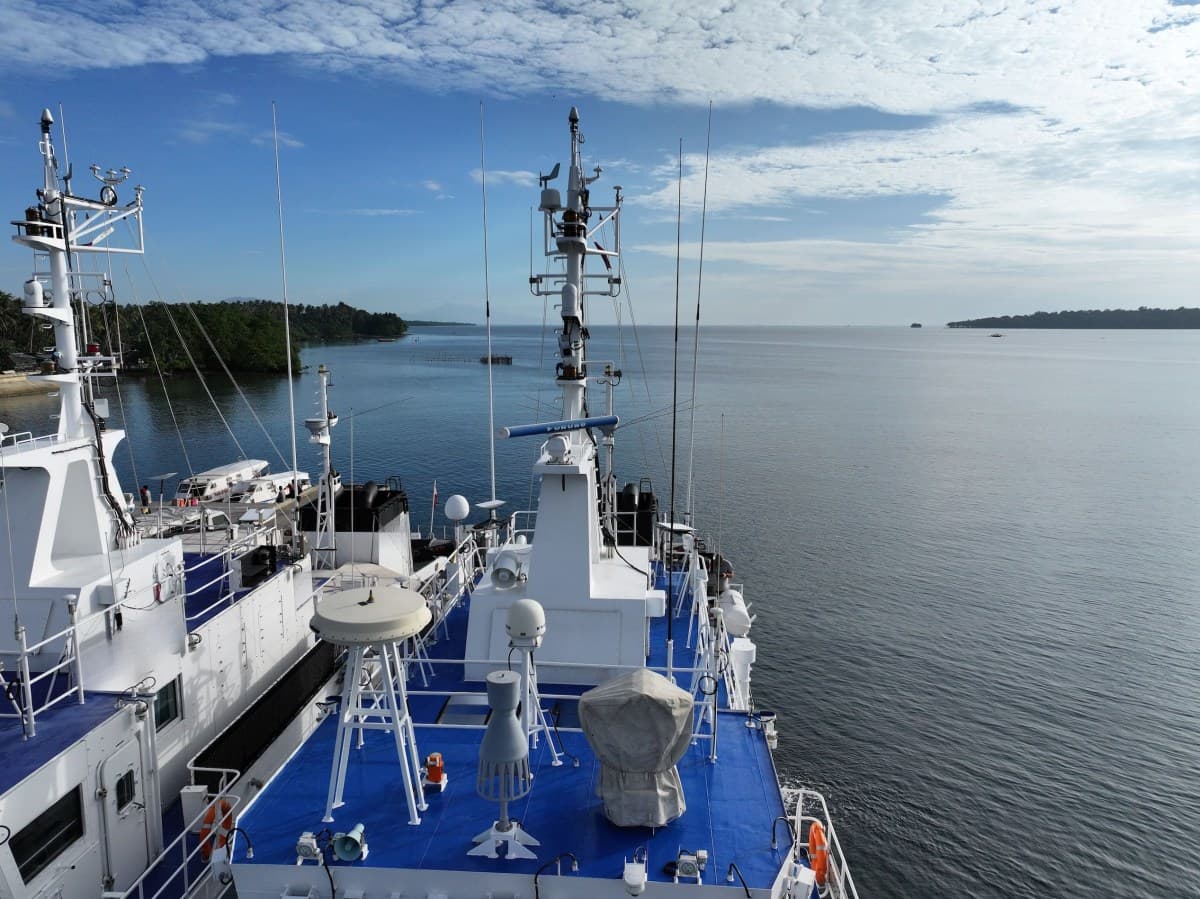
A startup based in Arlington, Virginia has secured $42 million in funding to deploy advanced sensor systems that could reshape how the shipping industry tracks vessels. The company plans to create a networked intelligence layer for ships, moving beyond the limitations of current Automatic Identification System (AIS) technology.
The funding round was led by a group of venture capital firms focused on maritime innovation. The startup will use the capital to build and install its proprietary sensor arrays on commercial and cargo vessels worldwide.
Beyond AIS
AIS, the current standard for ship tracking, relies on transponders that broadcast basic identity, position and speed. The system has known gaps. It can be switched off. It suffers from interference and spoofing. The startup's approach uses a mesh of sensors that collect richer data and share it across a private network, creating a real-time hive mind view of maritime traffic.
The technology can detect nearby vessels, weather patterns and even changes in engine performance. Data is processed onboard and relayed to a central cloud platform. The goal is to give shipping companies, port authorities and insurers a more accurate and tamper-resistant picture of what is happening at sea.
Why This Matters
Global shipping moves more than 80 percent of trade by volume. Gaps in tracking lead to inefficiencies, safety risks and environmental violations. A more robust sensor network can help prevent collisions, reduce fuel waste and improve response times in emergencies. It also makes it harder for vessels to evade detection in sensitive zones or engage in illegal fishing.
For supply chain operators, better data means fewer delays and lower insurance costs. For regulators, it offers a tool to enforce emissions zones and labor rules. The startup's system could become a standard layer on new ships within a few years.
Funding Context
The $42 million round comes as maritime technology attracts growing investment. Startups targeting shipping logistics, autonomous vessels and port automation have raised hundreds of millions in recent quarters. This Arlington company stands out for focusing on the sensing layer itself, rather than the software that interprets data.
The startup has not disclosed the names of its investors. It plans to begin pilot installations on a fleet of container ships by early next year. If those trials succeed, the company expects to accelerate production of its sensor modules.
The shift from passive AIS to an active, intelligent sensor network could be one of the most significant upgrades to maritime safety in decades. Shipping companies that adopt early may gain a competitive edge in efficiency and compliance.