Senior Editor: Alan Agbele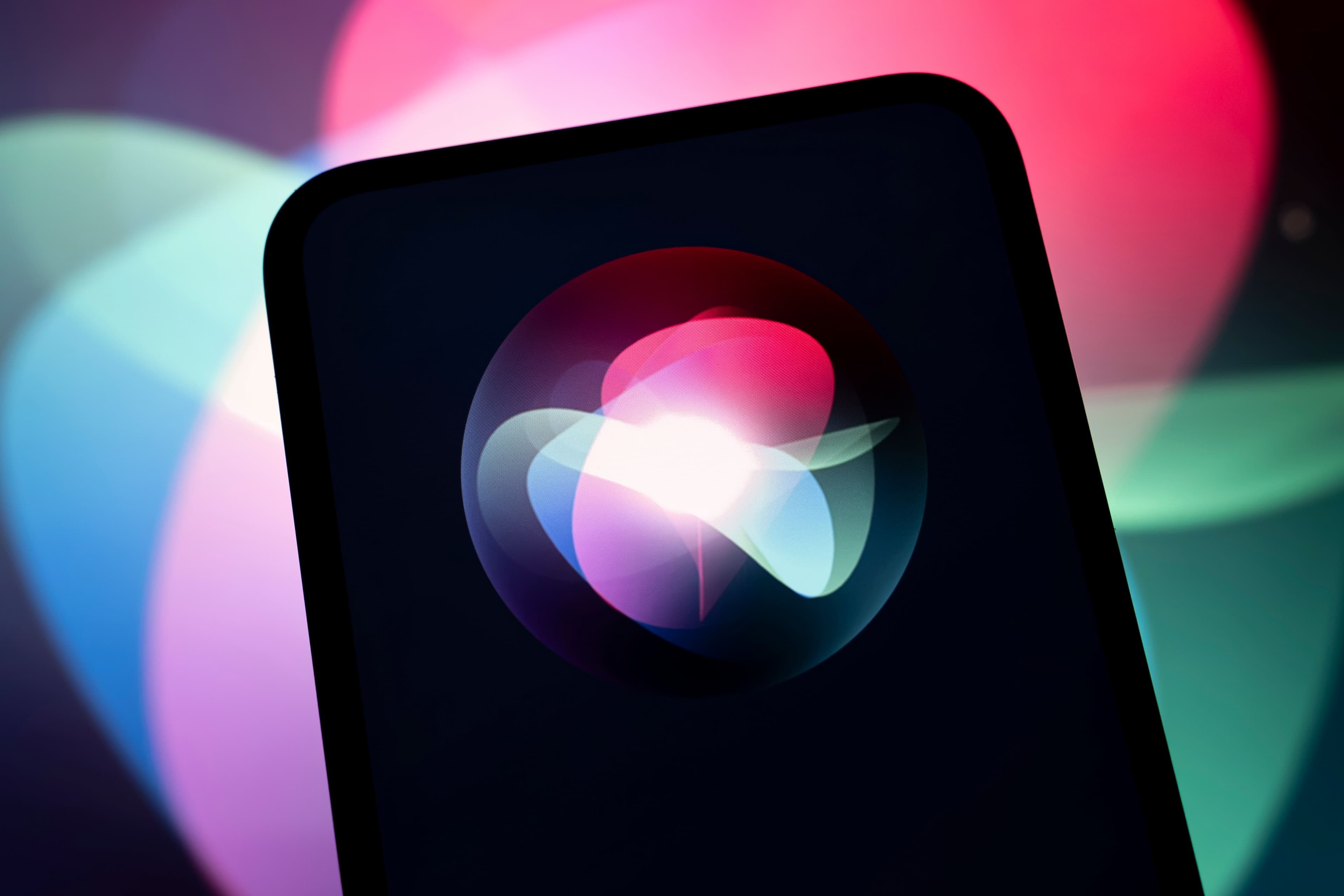
Apple's revamped Siri AI, once a source of excitement during its beta summer, now faces a stark reality as users report waning interest ahead of the full release. The initial infatuation with the upgraded assistant, which many dubbed a 'My Brief Summer Fling With Siri AI,' has cooled, raising questions about long-term engagement with AI-powered tools.
The Beta Engagement Cycle
Beta testers initially reported high satisfaction with Siri AI's faster responses and better context awareness. Yet within weeks, daily usage dropped sharply. Users cited several reasons for the decline.
Why Users Lose Interest in AI Assistants
The pattern seen with Siri AI is not unique. AI assistants from major tech companies often generate initial spikes in adoption followed by plateauing usage. The mismatch between marketing promises and real-world performance contributes to this cycle. Apple has invested heavily in machine learning to improve natural language understanding, but translating that into daily habits remains difficult. Users expect assistants to proactively solve problems, not just respond to commands. Siri AI's current iteration still falls short of that ideal.
Why This Matters
Apple's ability to convert beta testers into loyal users will directly affect its competitive position in the smart assistant market. If Siri AI fails to sustain engagement, Apple risks losing ground to rivals that have already built deeper integration into users' routines. The company must deliver a polished full release with clear, differentiated features that address the reasons users drifted away. Otherwise, the summer fling with Siri AI may be remembered as a brief experiment rather than the start of a lasting relationship.
What Comes Next for Siri AI
Apple has not announced a specific release date for the full version, but internal timelines suggest a launch alongside the next iOS update. Developers are reportedly working on expanded multilingual support and tighter integration with Apple's home ecosystem. Whether these additions will be enough to recapture user attention remains uncertain. The company may also need to invest in marketing that frames Siri AI as an indispensable daily tool, not just a smarter voice assistant.