 Senior Editor: Alan Agbele
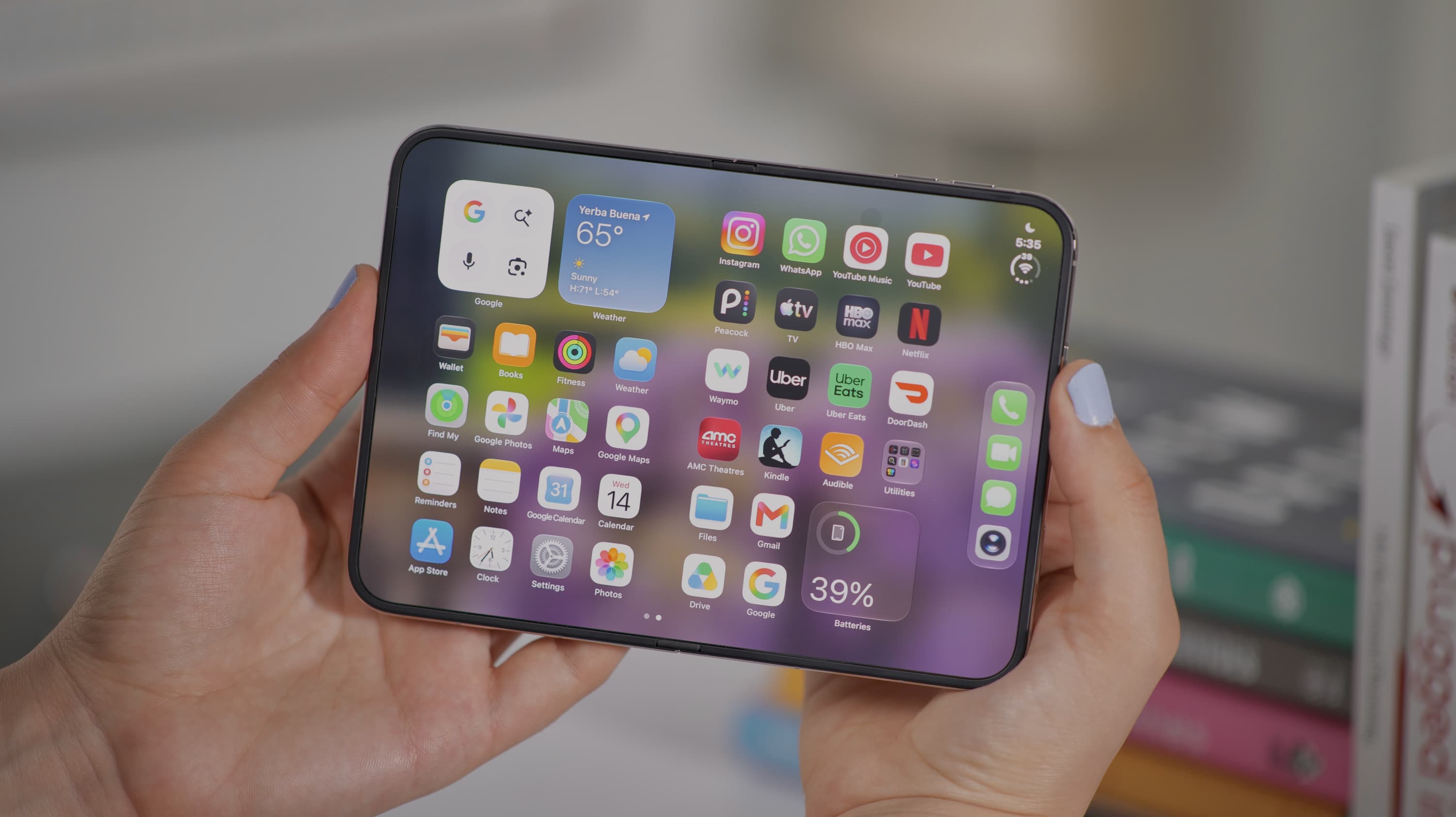
Apple's decision to sell two distinct iPhone models side by side has turned the company's annual launch into a test of consumer segmentation. Buyers now face a choice between a standard device and a premium variant, and the gap between them is wider than a simple price difference.
How the Two-Tier iPhone Lineup Actually Works
The standard iPhone and its premium sibling share a core chip platform and the same operating system. The differences sit in the details: display refresh rate, camera sensor size, optical zoom range and chassis materials.
Apple has leaned on this split to keep a lower entry price without discounting the flagship. The strategy lets the company address budget-conscious buyers and enthusiasts in the same launch cycle.
Retailers and carriers have followed suit, bundling the standard model with trade-in offers while reserving the premium tier for higher-margin plans. That pricing architecture shapes which device most shoppers actually walk out with.
Four Features That Separate the Models
Buyers comparing the two devices should focus on the hardware differences that affect daily use rather than spec-sheet totals. The most consequential gaps appear in four areas.
These four areas account for most of the real-world gap between the devices. Buyers who rarely shoot video or play fast-paced games may find the standard model sufficient.
Why This Matters
The two-model strategy changes upgrade economics for millions of buyers. A shopper who chooses the standard iPhone today may face a shorter useful life if camera and display demands rise, pushing an earlier replacement.
Apple, however, benefits from a wider price ladder that captures more of the market without eroding flagship margins. Carriers gain a mid-tier anchor for trade-in promotions.
Competitors face a harder comparison problem. Rivals must now match two Apple price points rather than one, which pressures midrange Android makers on both specs and financing.
The longer-term effect is a market where the "default" iPhone is no longer obvious. Buyers will increasingly decide based on use case rather than brand loyalty alone.
The Upgrade Timing Question Buyers Overlook
Most coverage of the iPhone lineup focuses on launch-day specs. The more important variable is how long each tier stays satisfying.
Premium buyers typically stretch replacement cycles because their hardware ages more slowly against new software demands. Standard-model buyers, by contrast, may feel pressure sooner as camera and display expectations rise.
That asymmetry matters for resale value. Premium devices tend to hold value better, which can offset part of the higher upfront price over a multiyear ownership period.
Buyers weighing the two models should therefore compare total cost across three years, not just the sticker price on launch day.
What Rival Makers Are Likely to Do Next
Android manufacturers have already begun mirroring the two-tier approach, splitting flagship lines into standard and premium variants. The iPhone split gives that playbook credibility with carriers and retailers.
Expect more aggressive trade-in offers on standard-tier devices as competition intensifies. Expect premium tiers to absorb the newest camera and display technology first.
The result is a smartphone market organized around tiers rather than single hero devices. Apple's iPhone lineup is the clearest example of that shift, and it is reshaping how buyers, carriers and rivals plan their next moves.


