Editor: Porcia Akua Holmes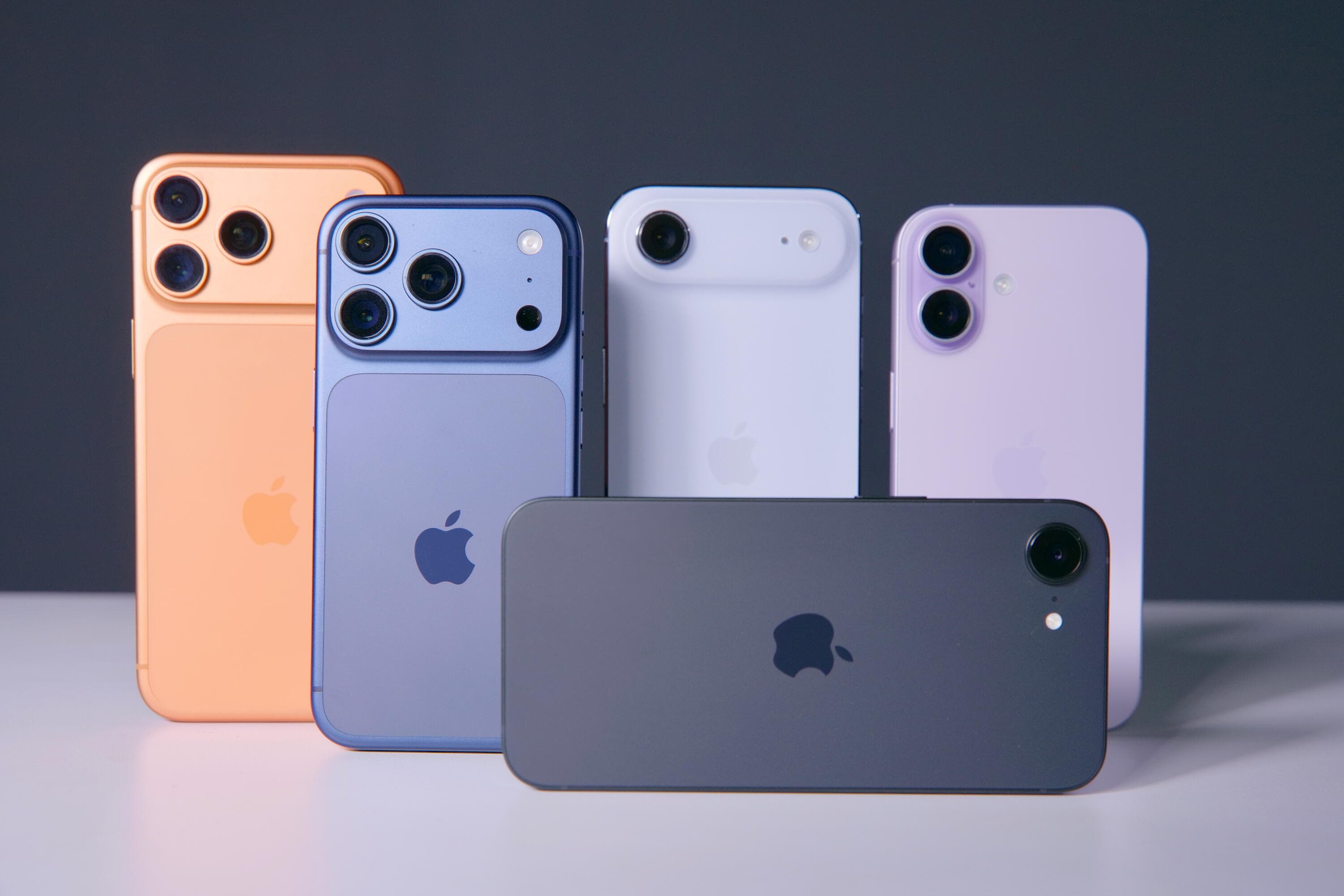
Apple's next flagship smartphone, the iPhone 18, may not arrive on schedule. Sources point to a longer development cycle and supply chain constraints that could push the release date later than many consumers expect. The shift would mark a departure from Apple's nearly predictable September launch rhythm, a pattern the company has maintained for over a decade.
Delays Signal a Strategic Shift
Apple has long relied on a steady annual release cadence to drive upgrade demand and maintain competitive momentum. A delayed iPhone 18 suggests the company is prioritizing product refinement over timetable consistency. This approach mirrors moves by other major hardware makers that have stretched product cycles to address quality and supply challenges.
Industry analysts note that lengthening development timelines can allow for deeper integration of new technologies. In Apple's case, the extra months could enable more advanced camera systems, custom silicon improvements and enhancements to the device's software ecosystem. The trade-off, however, is a shorter window for holiday sales and potential frustration among early adopters.
Pressure on the Release Date
The rumored delay follows a broader trend of smartphone release dates becoming less predictable. In recent years, several Android manufacturers have shifted their flagship schedules mid-cycle. Apple, by contrast, has kept its September window largely intact since the iPhone 5. A deviation now would signal that even the most disciplined hardware cycles face external pressure.
Key assembly partner Foxconn faces challenges sourcing enough advanced chips and OLED panels to meet Apple's volume targets. Geopolitical tensions and logistical bottlenecks add further uncertainty. These constraints are not unique to Apple but affect the entire mobile industry.
Why This Matters
A delayed iPhone 18 release directly affects consumers who plan upgrades around the traditional September launch. Owners of older devices, especially those on iPhone 14 or earlier, may face an extended wait for features like improved battery life, computational photography and ProMotion displays. The delay also pressures carriers and retailers that coordinate promotions and trade-in programs around Apple's timeline.
For Apple, the risk is twofold: a later launch could push revenue into the following fiscal quarter, and it may give competitors like Samsung and Google additional time to capture market share with their own fall releases. Long-term, if Apple formalizes a shift to longer product cycles, the entire smartphone upgrade pattern could become less annual and more opportunistic.