 Senior Editor: Alan Agbele
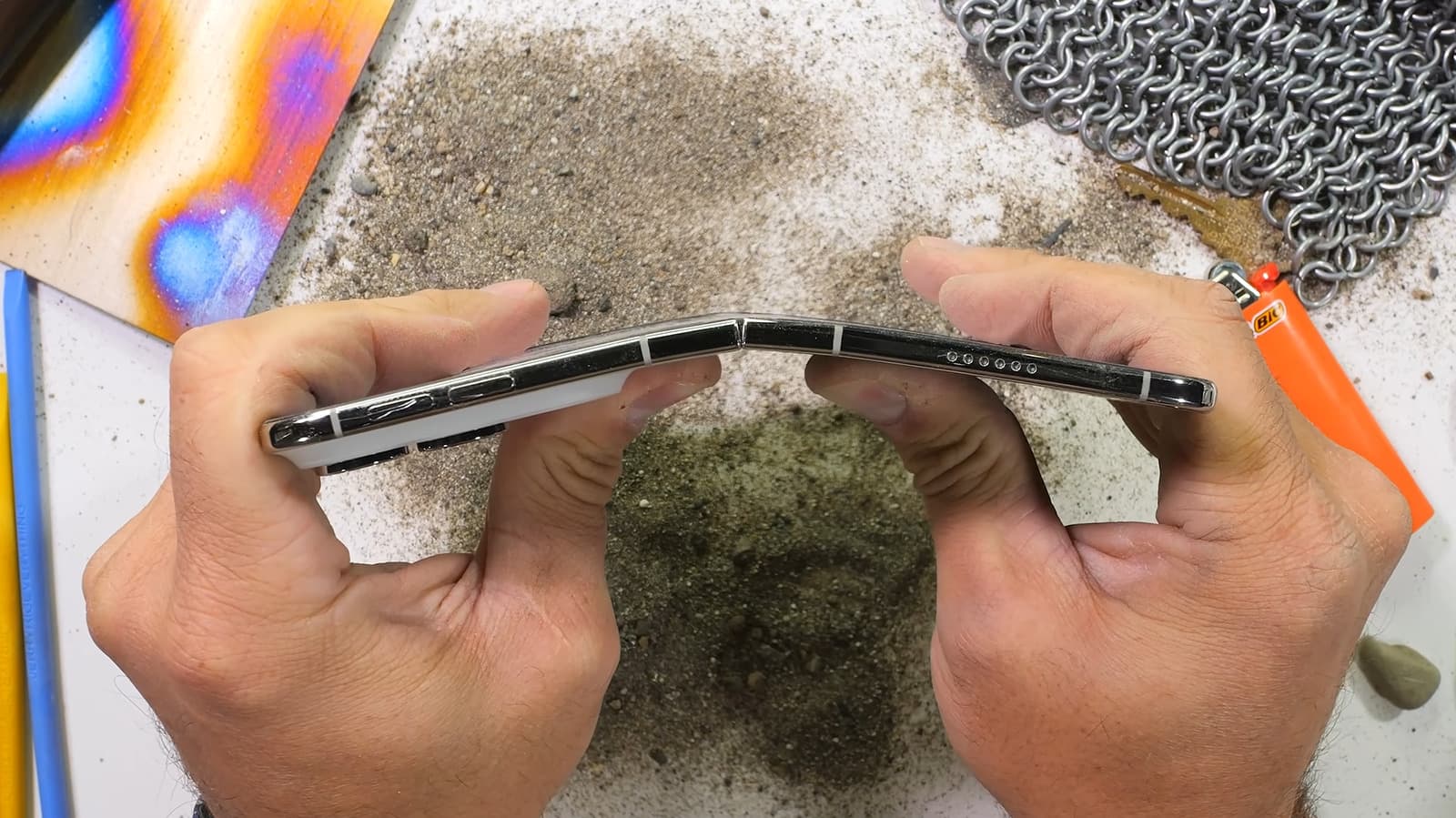
Apple's first foldable phone, the iPhone Duo, has run into early durability complaints just as the company tries to prove that foldable screens can survive everyday life. The device carries an IP68 rating for water and dust resistance, yet some owners say their displays cracked or failed after only hours or days of ordinary use.
Why the IP68 Rating Does Not Cover the Screen
IP68 is a widely misunderstood specification. It tells buyers that a device can survive immersion in fresh water and resist dust ingress, but it says nothing about the mechanical strength of a folding display. Apple's marketing leans on that rating because it signals premium build quality.
The flexible panel inside the iPhone Duo is a different story. It uses an ultra-thin polymer cover instead of the hardened glass found on the iPhone 15 or iPhone 16. That material is softer by design so it can bend without shattering, which leaves it vulnerable to scratches, dents and pressure marks.
What Owners Are Reporting
Complaints from early buyers describe screens that appeared to break after hours or even days of normal use. The pattern is familiar to anyone who followed the first generation of foldables from Samsung and Huawei, where similar reports surfaced within weeks of launch.
Apple has not confirmed a defect rate or issued a formal recall. The company's standard warranty covers manufacturing defects, but accidental damage from drops or pressure typically falls outside that coverage. That distinction matters for anyone weighing a purchase.
The Broader Foldable Durability Problem
Every foldable on the market faces the same physics problem. A screen that bends thousands of times must be thin enough to flex, which means it cannot be as hard or as scratch-resistant as a rigid slab of glass. Manufacturers have spent years trying to close that gap.
Samsung's Galaxy Z Fold line has gone through six generations of hinge redesigns. Huawei's Mate X series uses a similar approach. Apple's entry into the category was expected to raise the bar, and the early reports suggest the company has not solved the problem outright.
The durability question is not just about one phone. It shapes how consumers judge the entire foldable category, which still represents a small share of global smartphone shipments. A high-profile failure at Apple would slow adoption across the industry.
Why This Matters
Apple's reputation for build quality is the main reason buyers pay a premium for its hardware. If the iPhone Duo develops a visible durability problem, that trust takes a direct hit at the exact moment Apple is asking customers to accept a new form factor.
Retail partners and carriers will feel the pressure first. They handle returns, warranty claims and the awkward conversations that follow. A wave of screen failures would raise service costs and could push Apple toward an extended repair program, similar to past responses to design flaws.
Rival manufacturers, meanwhile, gain a talking point. Samsung and Huawei can point to years of hinge refinement while Apple works through its first-generation issues. The next 12 months will determine whether the iPhone Duo becomes a cautionary tale or a turning point for foldable reliability.


