Senior Editor: Alan Agbele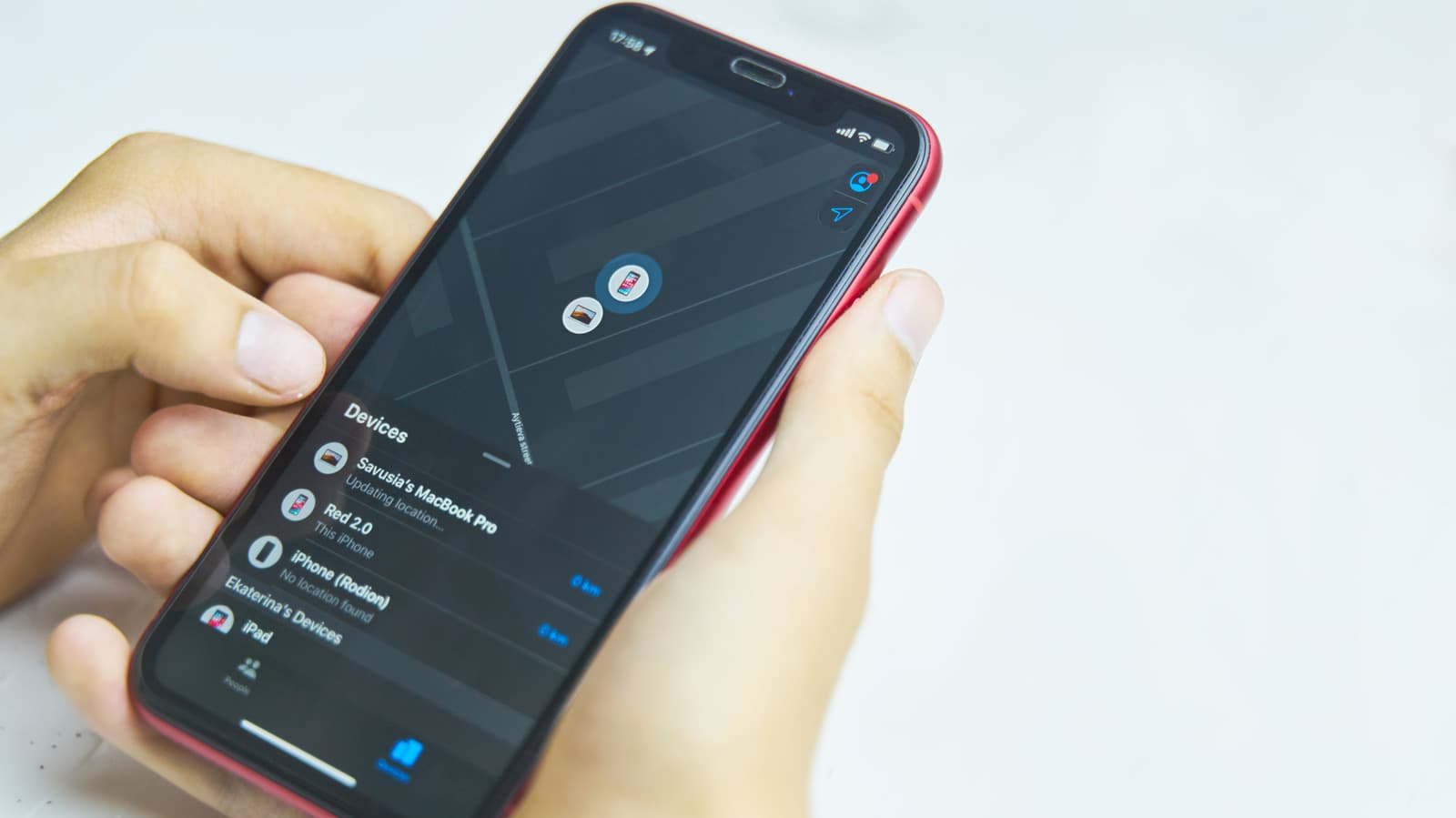
An iPhone that runs out of battery or is turned off by a thief no longer disappears from Apple's tracking network. The company's Find My service now allows users to locate their devices even when they are powered down, provided the feature was enabled before the shutdown.
How Offline Finding Works
Apple introduced the ability to locate an iPhone after shutdown with the iPhone 11 series, which included a special hardware component known as the Apple U1 chip with Ultra Wideband technology. On models that support it, the Find My network leverages a power reserve mode that keeps the Bluetooth beacon active even when the device's main processor is off.
This process works even if the iPhone is turned off by a user or a thief, as long as the Find My network was enabled in Settings before the shutdown. On models with a dead battery, the same system operates until the power reserve is depleted, which Apple says can last for several hours.
Privacy and Security Implications
The expansion of tracking capabilities introduces both benefits and potential risks. Apple has emphasized that the system is designed with privacy in mind, using end-to-end encryption and rotating identifiers. However, critics have pointed out that the feature could be used for unwanted surveillance if someone gains physical access to a device and disables Find My improperly.
Apple has also faced pressure to make the system more transparent about when offline tracking is active. Currently, there is no indicator on a powered-off screen that shows the Bluetooth beacon is still broadcasting, which some privacy advocates argue could be misleading.
Why This Matters
For most users, the ability to find a lost or stolen iPhone after shutdown is a major improvement in device security. The feature closes a critical window of vulnerability when a device is powered off and traditional GPS or cellular tracking becomes unavailable. It also strengthens Apple's positioning against competitors like Samsung and Google, which offer similar but less integrated tracking solutions.
However, the trade-off is that every Apple device becomes a potential surveillance node. The crowd-sourced approach means that millions of iPhones, iPads and Macs are constantly listening for beacons from lost devices, creating a dense mesh network. While Apple's encryption is strong, the sheer scale of the network raises questions about mass tracking and the potential for abuse if security vulnerabilities are discovered. For now, the convenience of always-on location recovery likely outweighs the privacy concerns for most users, but the debate over digital surveillance continues.
Competing Technologies
Apple is not alone in offering offline tracking. Google's Find My Device network for Android uses a similar Bluetooth-based approach, though it has historically required the device to be online for initial location reports. Samsung's SmartThings Find also leverages nearby Galaxy devices to locate lost gadgets. Apple's differentiation lies in the dedicated hardware and seamless integration with its ecosystem, which provides a more reliable experience for iPhone users.
As the Internet of Things grows, such crowd-sourced tracking networks are likely to become more common. The key challenge for all companies will be balancing user convenience with robust privacy protections.