Senior Editor: Alan Agbele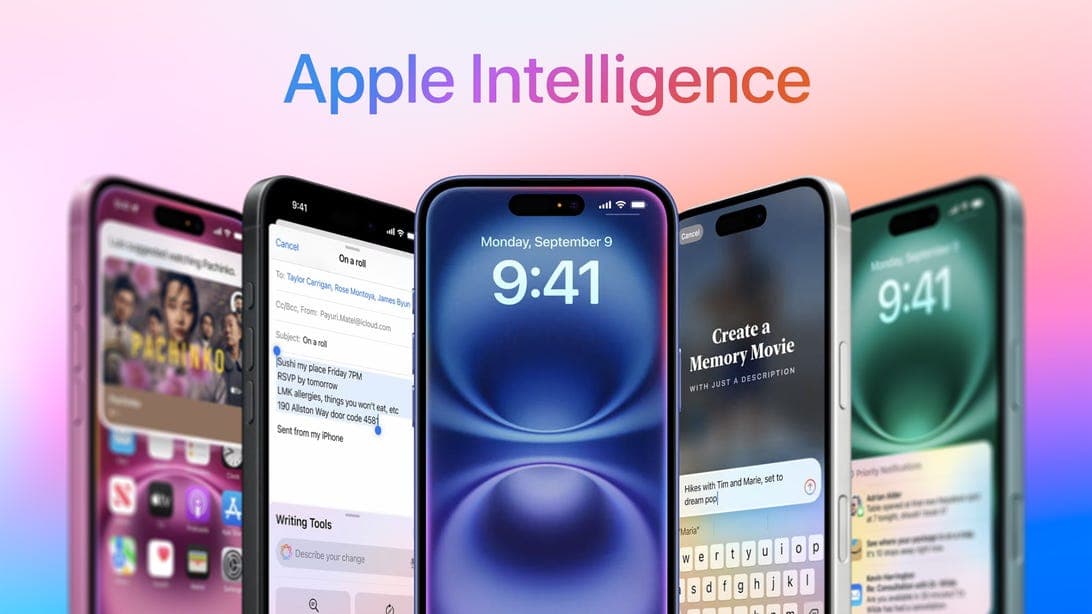
Apple will begin distributing $250 million to iPhone owners as part of a class-action settlement. The lawsuit accused the company of failing to deliver promised artificial intelligence features, including improvements to Siri. Customers who purchased certain iPhone models between 2017 and 2023 may qualify for a payment.
The Lawsuit at a Glance
The class-action lawsuit alleged that Apple misled consumers about the AI capabilities of its devices. Plaintiffs argued that Apple advertised features like proactive Siri suggestions, on-device intelligence and contextual awareness that did not work as described. The settlement avoids a trial and allows Apple to resolve the claims without admitting wrongdoing.
Apple denied the allegations but agreed to the payout to end the litigation. The total settlement fund amounts to $250 million. After legal fees and administrative costs, the remaining money will be distributed among eligible class members. Payments are expected to range from $5 to $50 per person depending on the number of claims filed.
Who Qualifies for a Payment
Eligibility is limited to U.S. residents who owned an iPhone model from the iPhone 6 through the iPhone 14 series. The affected time window covers purchases made between September 2017 and September 2023. Users must have had their device running iOS 12 or later during that period.
Owners of the iPhone 15 and newer models are not included in the settlement. Only consumers who bought the device for personal use, not resale, are eligible. Apple will use records from its warranty and repair database to verify claims. People who sold or traded in their phones may still qualify if they owned the device during the eligible timeframe.
How to File a Claim
Claimants do not need to provide proof of purchase upfront. The settlement administrator will cross-reference names and serial numbers with Apple's internal records. Those who believe they qualify should visit the official settlement website. Filing requires a valid email address and confirmation of the device's serial number.
Apple will send notifications to eligible customers via email or postal mail. The deadline to submit a claim is expected in mid-2025. Claims can be submitted online or by mail. Each household can file only one claim regardless of how many iPhones were owned.
Consumers should be cautious of scams. The settlement administrator will never ask for payment or sensitive financial information to process a claim. All official communications will come from the court-approved administrator, not from Apple directly.
Why This Matters
This settlement sets a precedent for how tech companies handle claims about AI capabilities. As AI features become central to smartphone marketing, consumers gain leverage when promised features fail to materialize. The case also highlights the gap between product advertising and actual performance.
For iPhone users, the settlement offers a modest financial return but more importantly reinforces consumer protections. The outcome may encourage other companies to be more transparent about AI rollout timelines. It also demonstrates that class-action lawsuits remain a viable tool for holding big tech accountable over product claims.
Apple has since improved its AI offerings with the introduction of Apple Intelligence on newer devices. However, the settlement covers a period when many users felt left behind by delayed software updates and incremental feature rollouts.