Senior Editor: Alan Agbele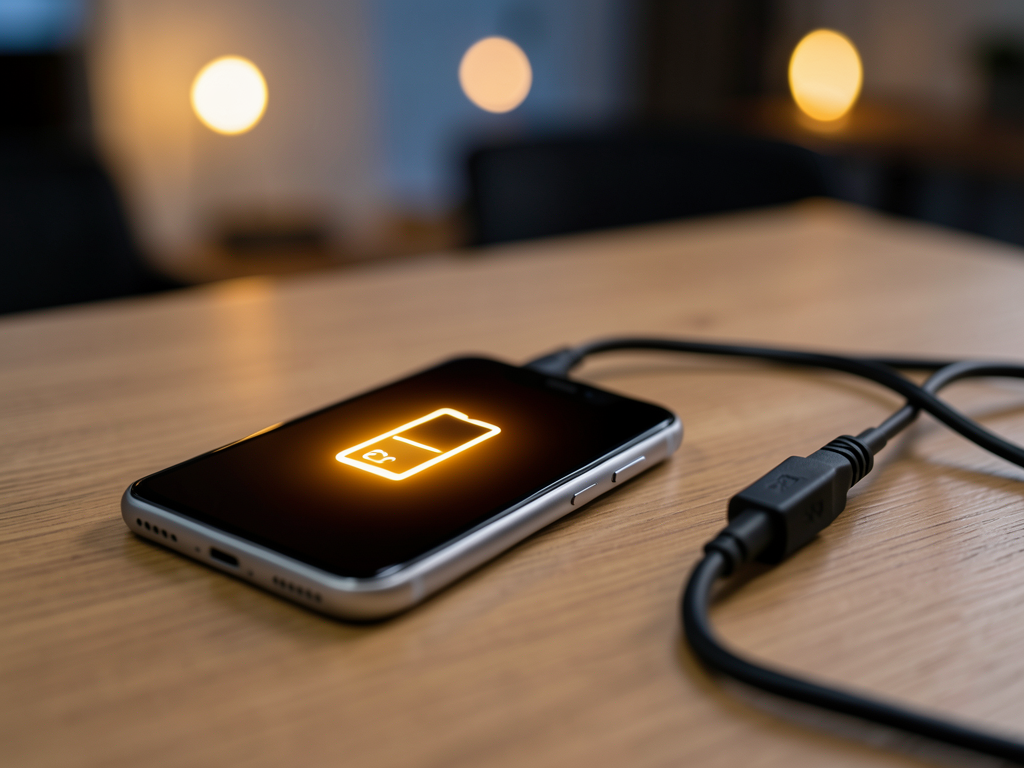
More than half of US adults now rank better battery life as their top smartphone priority, escalating the pressure on Apple to address the issue with its next iPhone lineup. A recent survey revealed that over half of US adults want better battery life from their devices, a preference that has intensified as competing brands push larger batteries and faster charging technologies.
The Growing Demand for Longer Battery Life
Consumer surveys consistently show that battery life is a decisive purchase factor for smartphone buyers, and the latest data reinforces this trend. Over half of US adults want better battery life, signaling that incremental updates are no longer enough. This sentiment is especially strong among heavy users who rely on their phones for streaming, gaming and work tasks throughout the day.
Apple has historically been cautious about battery capacity, often prioritizing slim designs and camera modules over larger cells. That approach now faces a test: can Apple deliver a significant battery upgrade without compromising the premium feel of its devices? The answer will heavily influence the reception of the new lineup.
Can Apple Deliver a Meaningful Upgrade?
The central question for the company is whether engineering trade-offs can satisfy consumer expectations. Competitors like Samsung already offer 5,000 mAh batteries in flagship models, while iPhones typically hover around 4,000 mAh. Apple’s chip efficiency partially compensates, but the gap in raw capacity is noticeable to power users.
Recent rumors suggest the next iPhone lineup will adopt larger batteries through more compact internal layouts and possibly new cell chemistry. Yet the company has not confirmed any specific changes. The pressure is palpable: if Apple cannot deliver a noticeable improvement, users may switch to brands that already offer two-day battery life.
Why This Matters
For Apple, failing to meet the battery life demand risks eroding its loyal customer base and weakening its competitive position in the premium smartphone segment. For consumers, the outcome will determine whether they can rely on an iPhone for all-day heavy use without needing a midday charge. The broader industry trend toward longer battery life means Apple must adapt or lose relevance. The new lineup’s battery performance will be a deciding factor for millions of upgrade decisions, and the company’s ability to deliver will shape the next cycle of smartphone innovation.
As the survey underscores, over half of US adults want better battery life. Now it is up to Apple to prove that its next lineup can answer that call.