Editor: Porcia Akua Holmes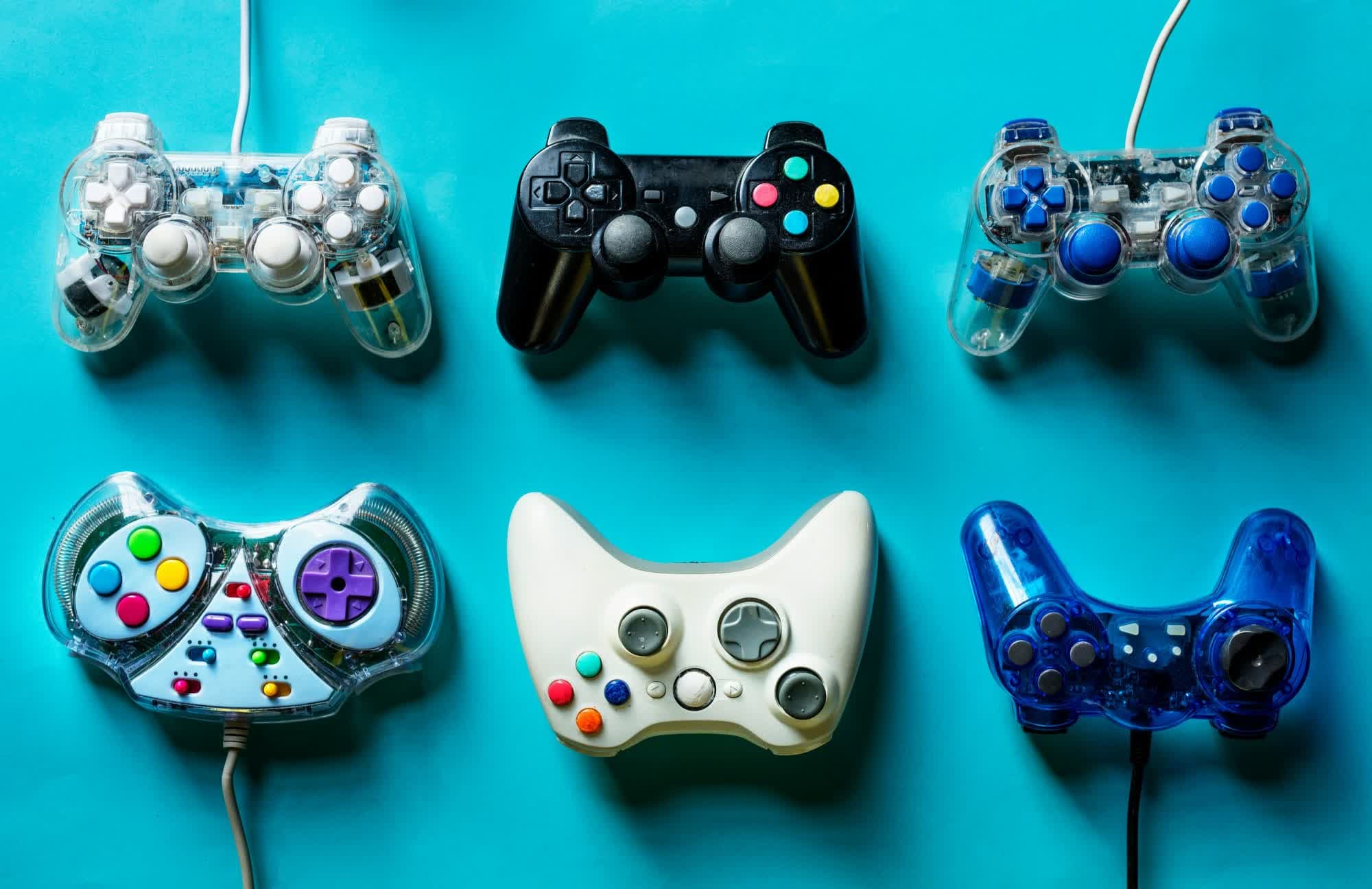
Apple has been developing its own game controllers for the iPhone for more than a year, and the accessories could debut under the Beats brand, according to a report from Bloomberg's Mark Gurman. The project marks Apple's first attempt at a first-party gaming controller, placing it in direct competition with established third-party options from Razer, Backbone and GameSir.
Beats Brand Takes on a New Role
Beats, which Apple acquired in 2014, has primarily remained an audio brand for headphones and speakers. If the game controllers launch under Beats, it would represent a significant expansion into a new product category for the brand. Apple has occasionally used Beats for accessories such as cables and cases, but a gaming controller would be its most ambitious non-audio product to date.
The choice of the Beats brand for the controller aligns with Apple's strategy of segregating its product lines. Beats products typically target a slightly younger, trend-conscious audience, which overlaps heavily with mobile gamers. By not attaching the Apple name directly, the company could also shield its core brand from any missteps in the new product category.
Competing in a Crowded Market
The iPhone controller market already has several strong contenders. The dominant options include:
Apple's first-party controller would have an inherent advantage: deep software integration. It could support automatic pairing, low-latency input via the Lightning or USB-C port, and seamless compatibility with Apple Arcade titles. Third-party controllers currently rely on standard Bluetooth or MFi certification, which sometimes introduces lag or compatibility quirks.
Why This Matters
Apple's entry into hardware controllers could fundamentally reshape the mobile gaming accessory market. The company has a history of taking over categories it enters, often by delivering a tightly integrated experience that third parties cannot easily replicate. If the controller works across iPhone, iPad and even Apple TV, it could create a unified gaming ecosystem that strengthens Apple Arcade and attracts more developers.
For consumers, a first-party controller eliminates the guesswork of compatibility and performance. For third-party accessory makers, it signals an existential threat: Apple may eventually restrict software features to its own hardware, as it has done with MagSafe and other accessories. The long-term impact will depend on pricing and availability, but the message is clear: Apple sees gaming as a core part of its mobile strategy.
What Comes Next
Neither Apple nor Beats has commented on the report. Gurman has a strong track record with Apple product predictions, lending credibility to the claim. An official announcement might come at a future product event, possibly alongside new iPhone hardware or a refreshed Apple TV. Until then, the mobile gaming accessory market watches closely for Apple's next move.