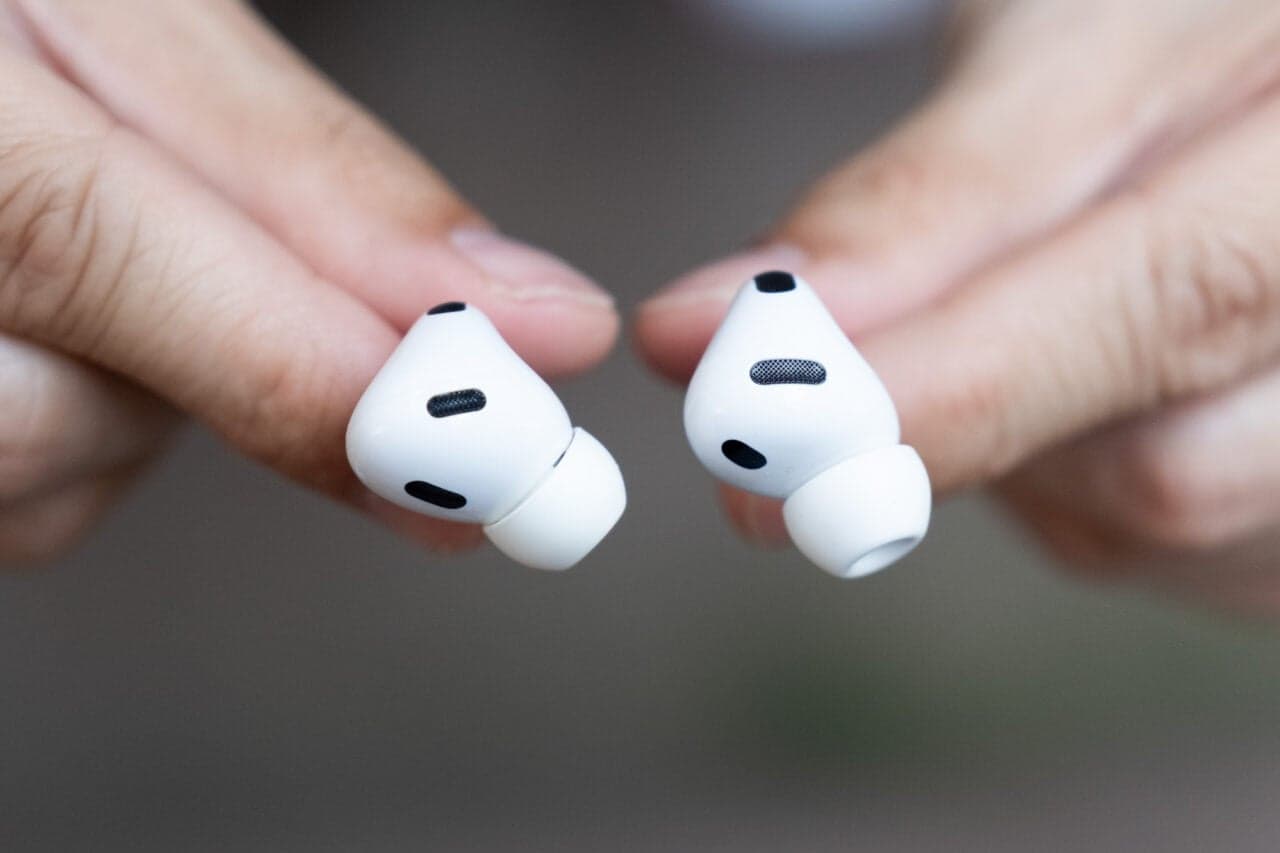
Apple is working on a significant redesign of AirPods controls, aiming to eliminate one of the most common frustrations for users: accidental taps and inconsistent gesture responses. According to sources familiar with the plans, the company is testing a new control scheme that prioritizes physical feedback and clearer interaction cues.
What's Changing
The current system relies on touch-sensitive stems or the AirPods Pro's squeeze sensors, which often misinterpret casual touches as commands. The new design is expected to introduce more deliberate input mechanisms, such as capacitive buttons with haptic confirmation or improved squeeze detection thresholds. This would reduce accidental pauses, skip commands, or Siri activations.
Apple is also exploring contextual gestures that adapt based on what the user is doing. For example, a double tap might pause music during a workout but activate transparency mode during a call. The software changes would likely debut with a future firmware update, while hardware revisions could appear in the next generation of AirPods.
Why This Matters
For the estimated 100 million AirPods users, control reliability directly affects daily usability. Misfired commands disrupt workouts, calls and commuting. A more predictable system would save time and reduce annoyance, especially as AirPods integrate deeper with Apple's ecosystem. This change could also set a new standard for wireless earbud interactions across the industry, pushing competitors to refine their own controls.
The improvement arrives as Apple faces growing competition from brands like Sony and Samsung, which offer more customizable button layouts. Better controls could strengthen customer loyalty and encourage upgrades among owners of older AirPods models who are frustrated with current performance.
No launch date has been confirmed. Apple typically tests such changes through beta software before public release. The redesign is likely part of a larger effort to refine AirPods as health-focused features and spatial audio become more central to the product line.