Senior Editor: Alan Agbele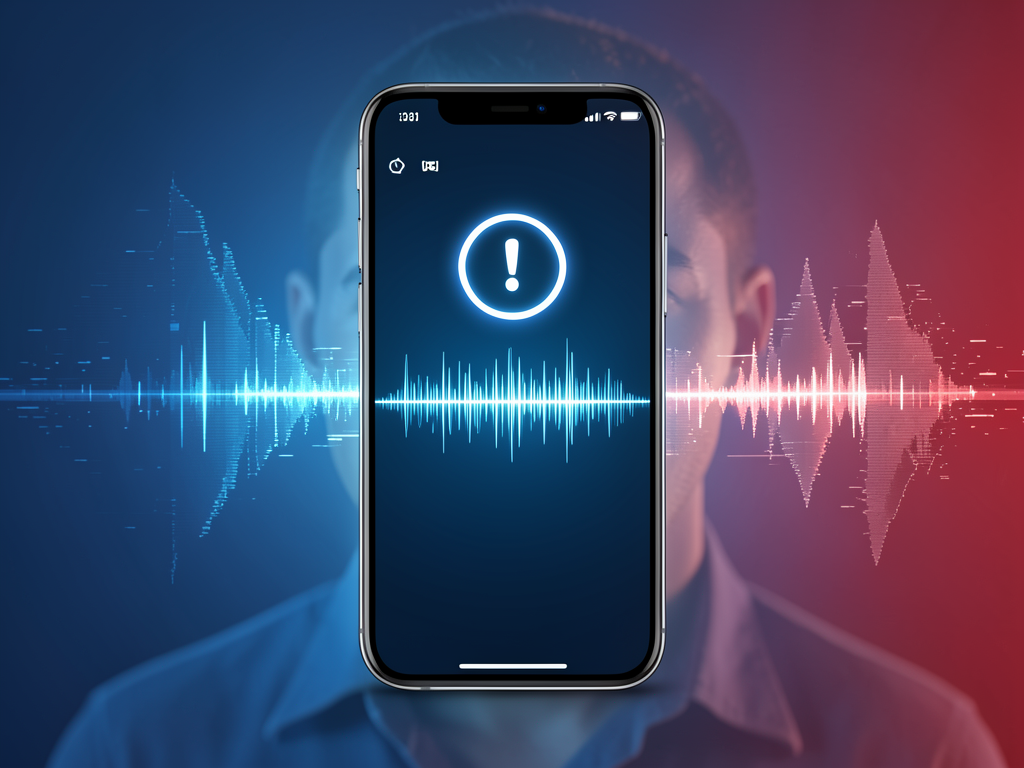
A new mobile application launching Tuesday aims to fight one of the most disturbing uses of artificial intelligence: AI-generated voice calls that mimic a kidnapped loved one demanding a ransom. The app, developed by a company called Savi, arrives as voice cloning scams have surged, preying on fear and the human inability to distinguish a synthetic cry for help from a real one.
How the Tech Arms Race Works
The scam works by using widely available AI voice cloning tools. A fraudster obtains a short sample of a person's voice, often scraped from social media, and feeds it into generative software. The resulting call, which sounds exactly like the victim, pleads for money or threatens harm. Savi's countermeasure runs a real-time analysis on incoming calls, detecting telltale markers of audio that was generated rather than recorded by a human throat and lungs.
The company has raised $7 million in seed funding and is launching its app for iPhone and Android on Tuesday. The service is designed to run in the background, processing calls without requiring active user intervention. It flags suspicious numbers and, if an AI-generated voice is detected, warns the recipient before they engage.
Why This Matters
The practical impact of this technology is immediate. As voice cloning costs drop to near zero any person with a phone and an internet connection can become a target. The scam does not require technical sophistication from the perpetrator, only a few seconds of audio. For families, particularly those with elderly members, the emotional toll of these calls can be devastating. Savi's approach matters because it proposes a technical solution, an AI detector, to a threat created by AI itself. This marks a shift in the consumer security landscape where the defensive tools must evolve as quickly as the offensive ones.
If the app works as advertised, it sets a precedent for how other platforms might integrate similar safeguards. The $7 million seed round signals that investors see this as a viable and necessary market. For the average user, the primary question will be one of trust: can an algorithm reliably catch a synthetic voice without blocking legitimate calls?
Market Implications and Broader Trends
The launch places Savi within a rapidly expanding category of cybersecurity tools focused on generative AI threats. Traditional spam call blockers handle robocalls and known scam numbers but are blind to a one-to-one voice clone. Savi addresses that gap directly. The fact that the app runs on both iPhone and Android ensures it reaches the widest possible consumer base from day one.
Key factors driving this market include:
Savi faces the challenge of staying ahead of scammer techniques. As detection algorithms improve, fraudsters will refine their methods. This ongoing cat-and-mouse dynamic is typical of the cybersecurity industry, but the stakes here are uniquely personal. A misidentified call could mean a family sends money to a criminal, or a legitimate emergency is ignored because an app flagged it as fake.