Editor: Porcia Akua Holmes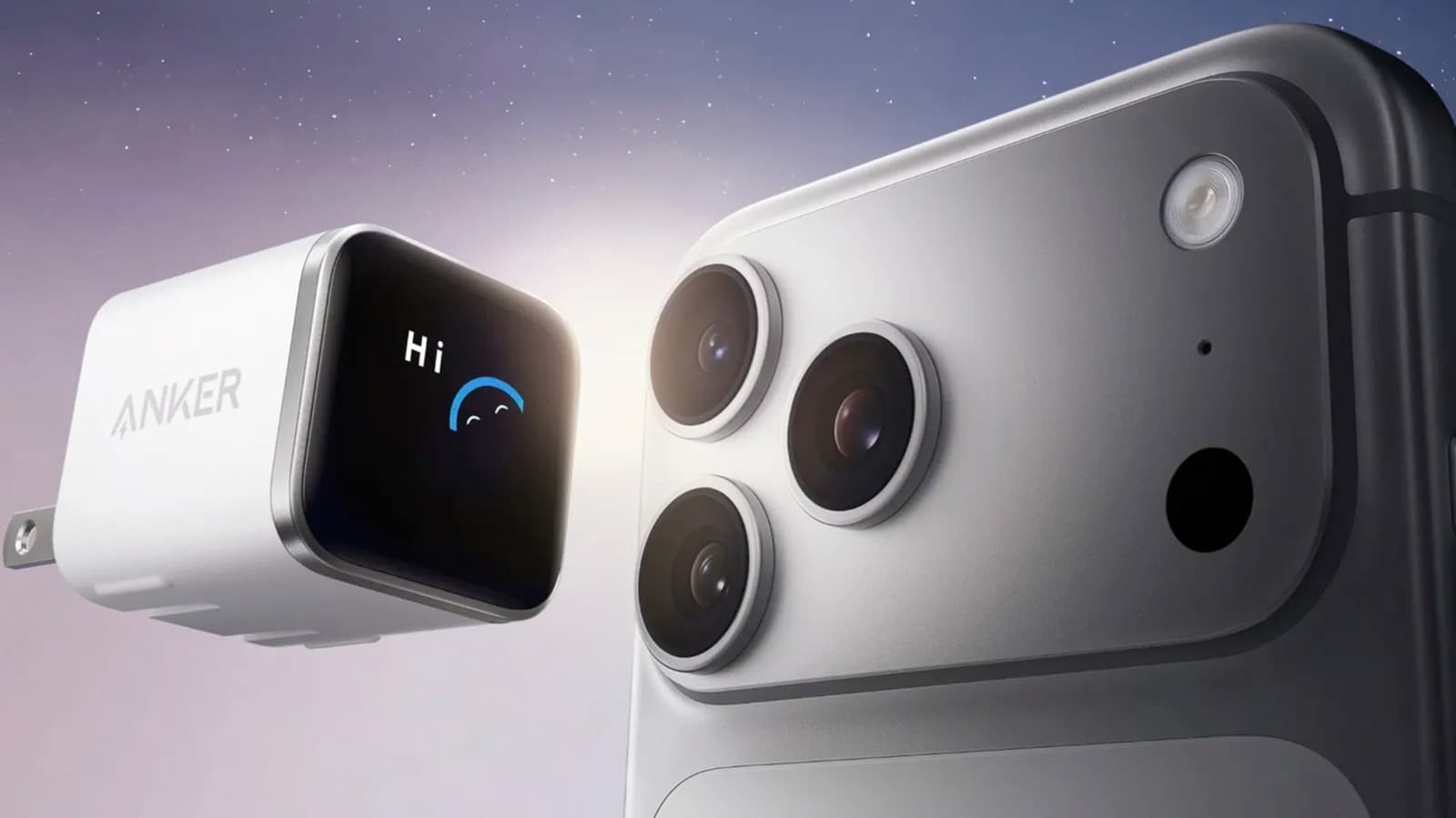
Anker has launched a new take on the humble wall charger, embedding a small screen into the face of its latest plug-in model. The device, which the company calls a smart display charger, shows real-time charging data such as wattage and estimated time to full charge. It marks a shift toward more informative accessories in a category that has long prioritized speed and portability over user feedback.
What the Screen Shows
The display on the Anker charger is small, roughly the size of a postage stamp, and sits on the face of the plug. It cycles through several metrics during use, including current voltage, amperage draw and total wattage. When a device is connected, the screen also provides an estimated time to full charge based on the power being delivered. The information is refreshed every few seconds, allowing users to see fluctuations as devices enter different charging phases.
The charger supports standard USB-C Power Delivery and can output up to 30 watts, making it suitable for smartphones, tablets and some laptops.
Design and Practical Utility
Physically, the charger is no larger than many single-port wall plugs. Anker has managed to fit the display into the front face without significantly increasing the footprint. The screen is monochrome and uses a simple segmented layout to keep power consumption low. The charger does not rely on a smartphone app or wireless connection; all data processing happens onboard. This approach keeps the product simple and avoids the privacy concerns that come with connected accessories.
The utility of the display becomes clear when charging multiple devices in sequence. Users can see at a glance whether a device is pulling the expected wattage. A phone that is only drawing 5 watts when it supports 18-watt charging may indicate a cable issue or a charger port problem. The display provides immediate feedback without requiring a separate USB power meter.
Why This Matters
The introduction of a display on a standard wall charger signals that consumer expectations around charging transparency are rising. For years, users relied on guesswork or third-party tools to know how fast their devices were charging. Anker is bringing that information directly to the point of connection. This shift has practical consequences: it reduces the need for dedicated testing equipment and gives everyday users a clearer understanding of charging performance. As fast charging standards evolve, having a simple visual indicator on the charger itself could become a standard expectation rather than a niche feature. It also puts pressure on competitors to include similar feedback mechanisms in their own products.
Who Should Consider It
This charger is not aimed at everyone. Users who simply plug in a phone overnight and never think about charging speed will find little added value in the display. The product targets enthusiasts, remote workers and anyone who manages multiple devices with different power requirements. For those users, the visual feedback can help diagnose slow charging, verify cable performance and optimize charging routines.
Anker has not announced pricing or a release date beyond its initial reveal. The company is known for bringing affordable charging accessories to market, so the premium over a standard 30-watt charger is expected to be modest.