Senior Editor: Alan Agbele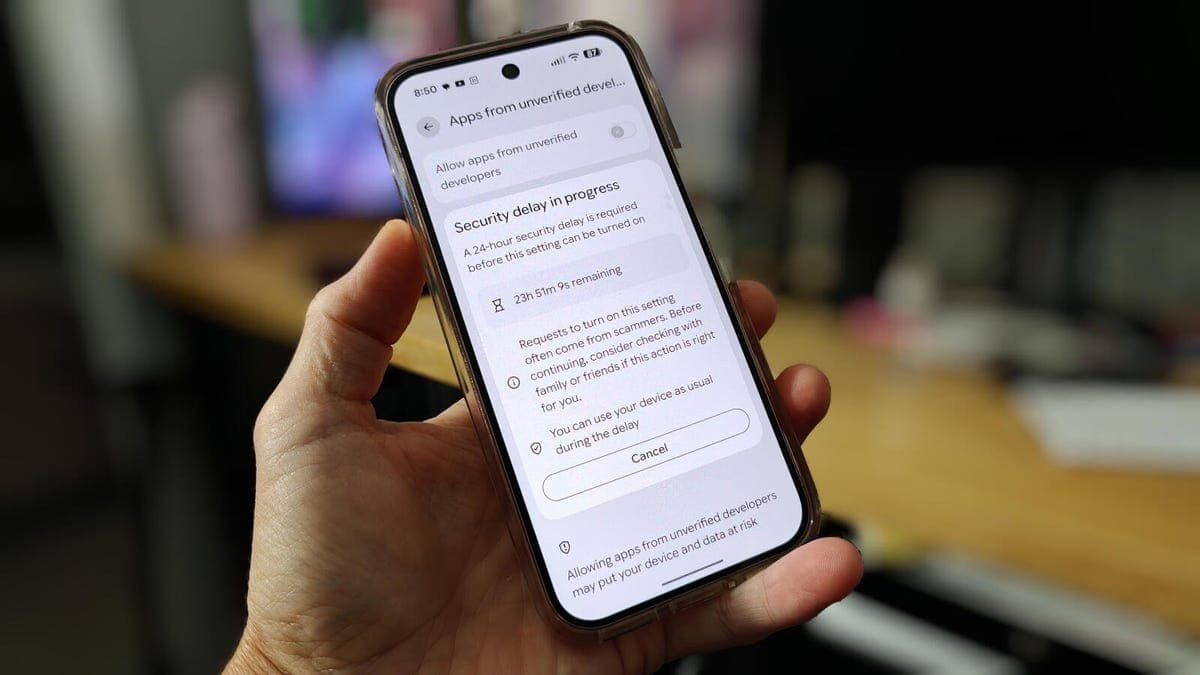
Android users who install apps outside the Google Play Store now face a mandatory waiting period before those apps can run. The change, which took effect in early 2026, marks a significant shift in how the platform handles third-party software installations.
How the New Sideloading Process Works
When a user downloads an APK file from outside the Play Store, Android now requires the file to pass through a cloud-based scanning service before the phone allows the app to open. Google calls this feature “Enhanced Sideloading Protection.” The wait typically lasts between a few minutes and several hours, depending on server load and the file’s complexity.
Users, however, can still initiate the install immediately. The app icon appears on the home screen but remains inactive. A notification alerts the user when scanning finishes and the app becomes ready to use.
Why Google Made the Change
Sideloading has long been a vector for malware on Android. Bad actors often trick users into installing malicious apps disguised as legitimate software. By adding a scanning delay, Google aims to catch threats before they execute on a device.
The move aligns with broader industry trends toward proactive security measures on mobile platforms. Apple, for instance, already requires notarization for sideloaded apps in regions like the EU.
What This Means for Users
For casual Android users who rarely sideload apps, the change is invisible. But for developers testing their own software, privacy advocates who prefer open app stores, or users in regions with limited Play Store access, the waiting period introduces friction. A developer can bypass the delay by enrolling in Google’s developer tools, but that requires a registered account and a fee.
Why This Matters
This update represents a fundamental shift in Android’s philosophy. The platform has long prided itself on openness, letting users install anything, anywhere. The waiting period, however, moves Android closer to a curated model similar to iOS. For the estimated hundreds of millions of Android users who rely on sideloading for apps not available in their region, the change could limit access to essential software. Google, meanwhile, gains a stronger layer of oversight without fully closing the sideloading door. The trade-off between user freedom and device security will continue to define Android’s evolution.