Senior Editor: Alan Agbele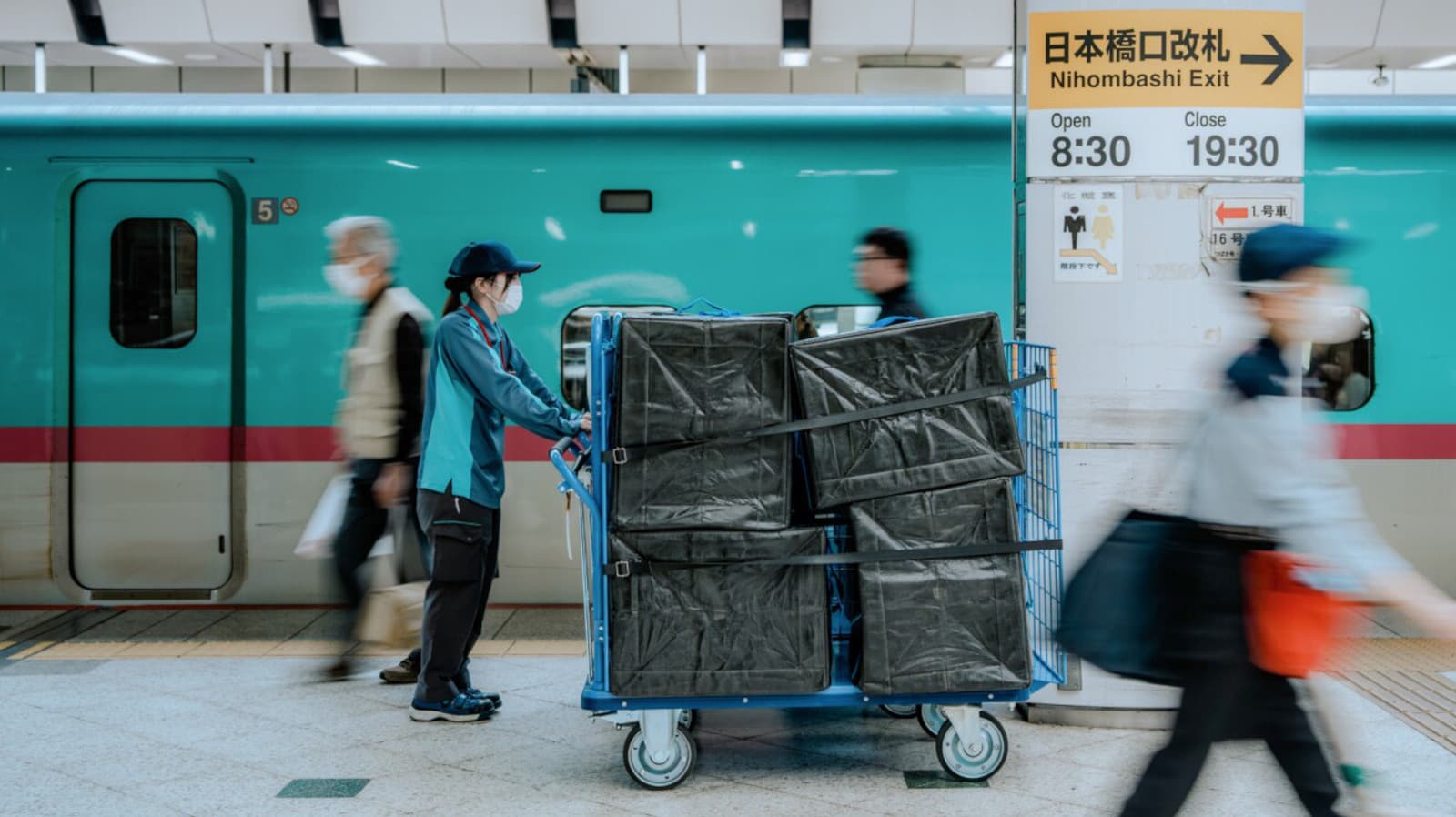
Amazon Japan has started shipping packages on the country's famed Shinkansen bullet trains. The move is part of the company's broader push to reach net-zero carbon emissions across its operations.
The rail service, run by Japan's Central Japan Railway Company, now carries Amazon parcels on its high-speed network. This marks a shift from traditional truck-based logistics toward more sustainable transport options in one of the world's busiest e-commerce markets.
How the System Works
The Shinkansen trains, known for speeds exceeding 300 kilometers per hour, already operate on tight schedules. Amazon packages are loaded into dedicated cargo spaces on select trains, allowing for quick transport between major cities such as Tokyo and Osaka.
The partnership uses existing rail capacity without requiring additional trains. Amazon says this keeps costs down while reducing the number of delivery trucks on highways.
Green Logistics Push
Amazon has set a target to reach net-zero carbon by 2040. The company's Climate Pledge includes shifting freight from road to rail and other lower-emission modes. In Japan, rail transport produces roughly one-seventh the carbon emissions of truck transport per ton-mile, according to industry data.
The Shinkansen deal follows similar moves in Europe, where Amazon has used trains in Germany and the United Kingdom. The company has also invested in electric delivery vans and renewable energy for its fulfillment centers.
Why This Matters
E-commerce growth has driven a surge in last-mile delivery vehicles, worsening traffic and emissions in dense urban areas. Using high-speed rail for middle-mile logistics offers a viable alternative for companies with large distribution networks. For Amazon, it means faster transit times between hubs and lower environmental impact. Consumers may benefit from shorter delivery windows, especially on high-demand items.
The initiative also pressures competitors such as Rakuten and Mercari to explore greener logistics. Japan's government has encouraged companies to reduce transport emissions as part of its carbon neutrality goals by 2050.
Amazon plans to expand rail-based shipping to more routes across Japan if the pilot proves successful. The company did not disclose specific volume targets or cost savings.