Senior Editor: Alan Agbele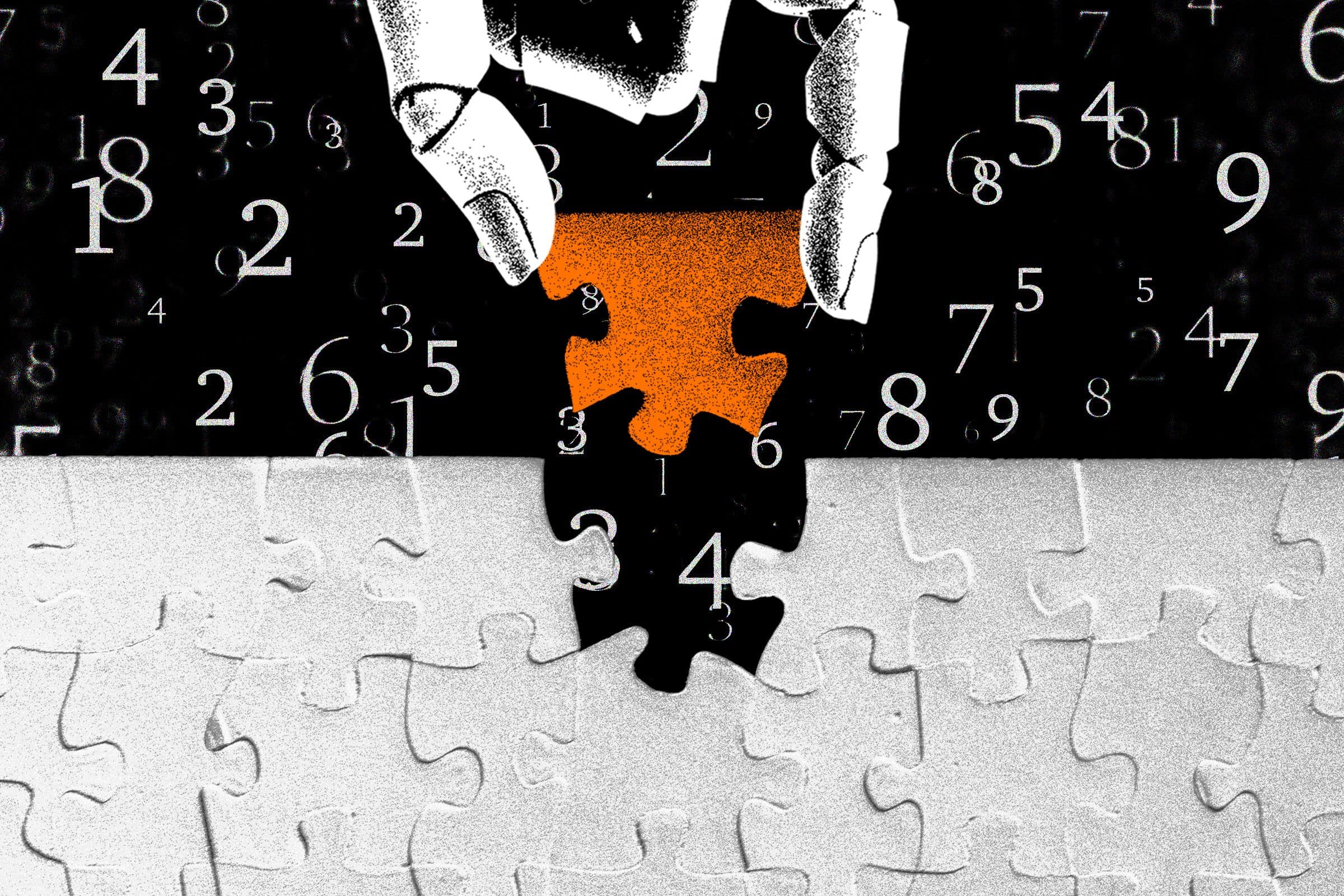
A leading mathematician who coauthored a book about mathematics moving beyond human comprehension says recent advances in artificial intelligence have left him genuinely frightened. Steven Strogatz, a professor at Cornell University, told WIRED that AI's ability to tackle complex mathematical problems marks a seismic shift for his life's work.
A Mathematician's Terror
Strogatz described his reaction to recent AI breakthroughs, including systems that can solve advanced mathematical problems once thought to require human creativity. He admitted feeling a deep unease as machine learning models increasingly generate original proofs and insights. The speed of progress, he noted, outpaces anything he anticipated even a few years ago.
Strogatz is not alone in his alarm. Other mathematicians have started questioning whether their field will still rely on human reason or shift toward machine-generated discoveries. The emotional weight of that possibility, he suggested, has been underreported in the broader AI conversation.
The New Frontier of Machine Reasoning
AI systems have moved beyond simple computation into areas like theorem proving and symbolic reasoning. These models do not just calculate faster than humans but explore conceptual spaces in ways that feel alien. Strogatz and his coauthor wrote about the idea of math outside human intuition. Now AI is making that idea real.
Key concerns Strogatz raised about this shift include:
These fears reflect a deeper tension between human intuition and algorithmic expansion that Strogatz believes deserves more public discussion.
Why This Matters
The implications extend beyond mathematics. If AI can outthink specialists in a domain built on pure logic and abstraction, it challenges assumptions about human uniqueness in science. Strogatz's reaction signals that even the most abstract intellectual work is no longer safe from automation. For researchers, educators and students, the question becomes how to train the next generation when the tools they use may outperform them from the start. The machines are not just calculating faster. They are redefining what it means to discover.