Editor: Porcia Akua Holmes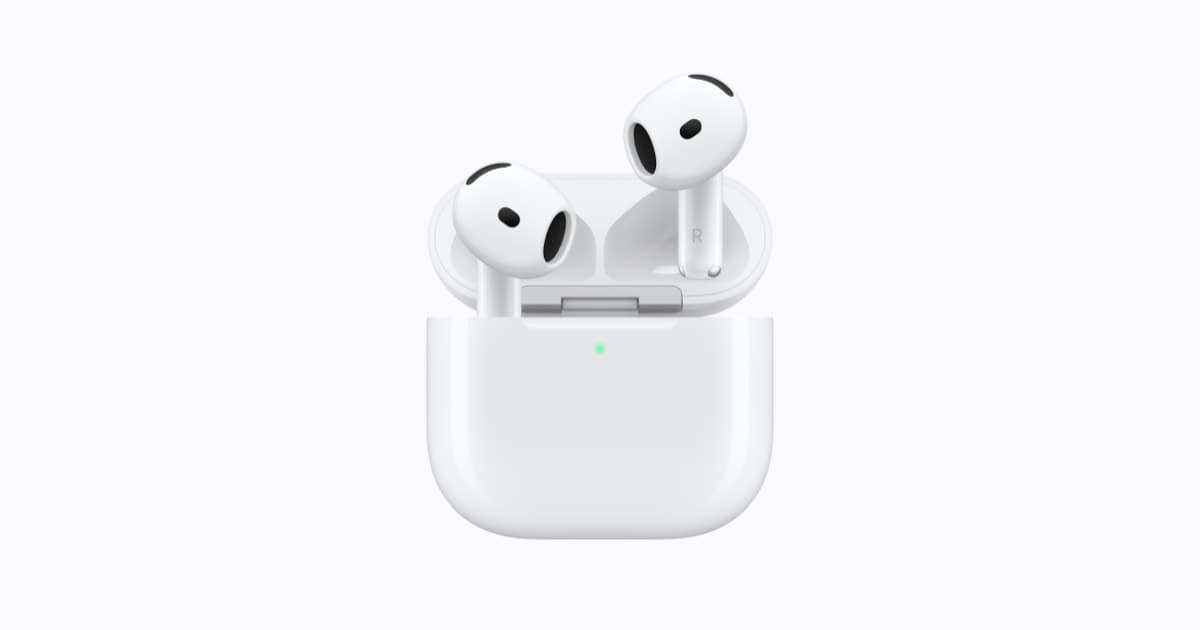
Apple has launched the AirPods 5, its latest wireless earbuds that integrate health sensors alongside improved audio and a redesigned form factor. The move positions the device as more than an audio accessory, extending Apple's wearable health ecosystem into the ear.
Design and Health Features
The AirPods 5 adopt a more compact shape with a shorter stem and interchangeable ear tips for a secure fit. The internal hardware now includes an infrared temperature sensor and a photoplethysmograph for heart rate monitoring. These additions allow the earbuds to track body temperature and pulse during exercise or rest.
Apple has also upgraded the charging case with a built-in speaker for Find My alerts and a USB-C port. The case supports wireless charging and offers an additional 24 hours of battery life.
Why This Matters
The AirPods 5 blur the line between audio devices and health wearables. For consumers, this means fewer devices to carry while gaining continuous health data. For Apple, the move deepens its health tracking ecosystem and increases stickiness for Apple Watch users who want complementary metrics from their earbuds. Rivals such as Samsung and Google now face pressure to include similar sensors in their flagship earbuds. The shift could accelerate regulatory scrutiny if health data collection triggers new privacy or medical device rules.
Competitive Landscape
Apple's closest competitors have focused on audio quality and battery life. The AirPods 5 introduce a sensor suite that rivals do not yet match. Samsung's Galaxy Buds and Google's Pixel Buds lack integrated temperature sensing or optical heart rate monitors. This gap gives Apple a unique selling point in the premium segment. However, the health features require iOS 19 or later and work optimally with Apple Watch, limiting full functionality for Android users.
The update also arrives as the wireless earbud market matures. Growth has slowed after years of rapid expansion. Adding health capabilities could open a new growth vector by attracting fitness enthusiasts and users who prioritize wellness tracking.