Senior Editor: Alan Agbele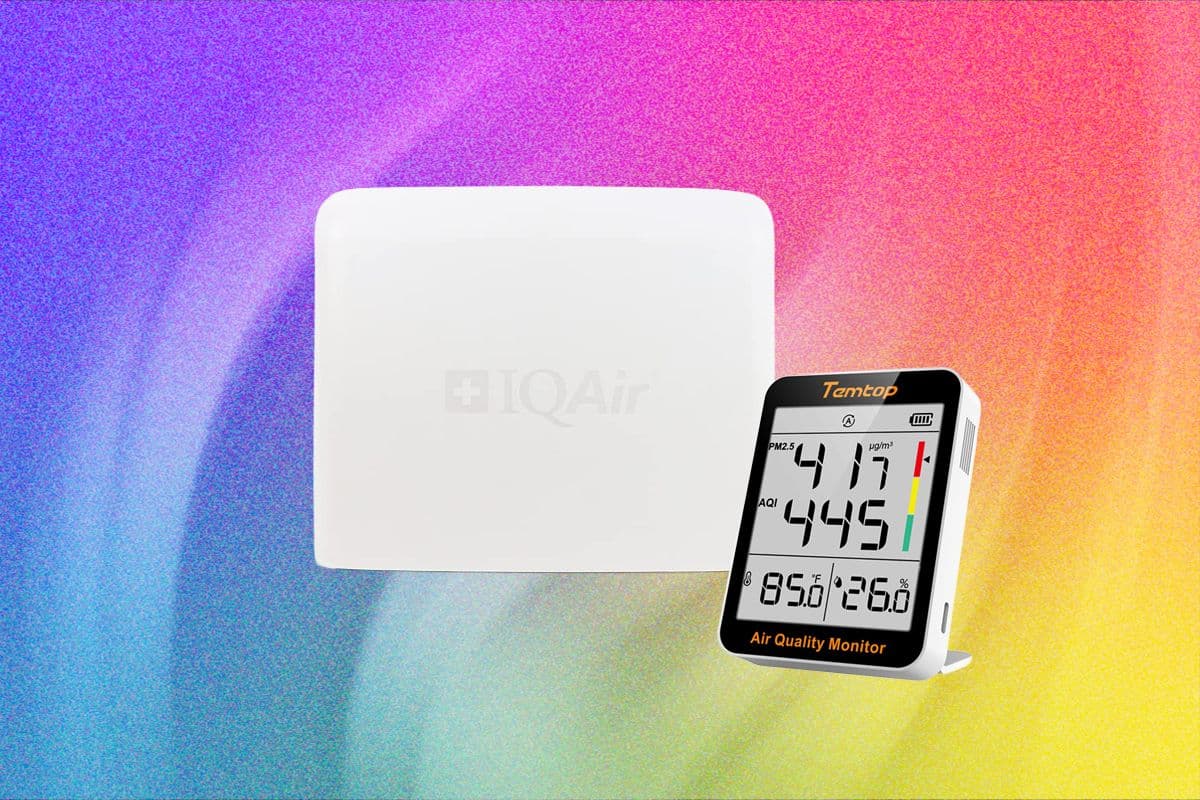
Consumers are increasingly seeking air quality monitors that can track pollutants across different environments, blurring the line between indoor and outdoor monitoring devices. The shift reflects growing awareness of airborne health risks from wildfire smoke, urban pollution and household allergens.
Market Shifts Toward Versatility
Traditional air quality monitors were designed for a single location, often plugged into a wall and focused on indoor air. Newer models emphasize portability and battery operation, allowing users to take readings from a bedroom to a backyard patio or even a campsite. This dual-use capability is driving sales among health-conscious consumers who want continuous data regardless of where they are.
Manufacturers are responding by shrinking sensor packages while maintaining accuracy. Devices now frequently integrate laser-based particle counters and electrochemical gas sensors into housings small enough to fit in a pocket. The best air quality monitor for outdoors and indoors, as measured by consumer reviews, tends to balance size, battery life and sensor precision.
Technology Behind the Trend
Several technological improvements have enabled the crossover between indoor and outdoor monitoring. Low-power microcontrollers and improved calibration algorithms allow sensors to adjust for environmental changes like temperature swings and high humidity, which previously caused drift. The adoption of Wi-Fi and Bluetooth has also made data sharing seamless, letting users check readings from a phone while away from home.
Why This Matters
For the average consumer, the availability of a single device that works in both settings reduces the cost of monitoring and simplifies daily health tracking. People living in areas prone to wildfire smoke or urban pollution can carry a monitor to assess air quality at work, at school or during outdoor recreation. On a broader scale, widespread use of portable monitors could generate crowdsourced data that helps communities identify pollution hotspots, although privacy and data accuracy challenges remain.
The convergence of indoor and outdoor monitoring also signals a maturing market. Early adopters accepted bulky, single-purpose devices. Mainstream buyers now expect multifunctionality, and manufacturers that fail to deliver risk losing relevance. The push for dual-use design will likely accelerate as regulators and health agencies promote personal air quality awareness as a public health tool.
What to Look for in a Dual-Use Monitor
When evaluating a monitor for both indoor and outdoor use, buyers should prioritize calibration stability across temperature ranges. Sensor type matters: optical particle counters work well indoors but can struggle in high outdoor humidity, so some devices add a correction algorithm. Connectivity features should allow logging and export of data for later analysis, especially for users who want to track long-term trends.
The market now includes models that retail for under $100, making the technology accessible to many households. As competition increases, analysts expect further price drops and sensor improvements, expanding the potential user base beyond early adopters to everyday consumers concerned about the air they breathe both inside and outside their homes.