Senior Editor: Alan Agbele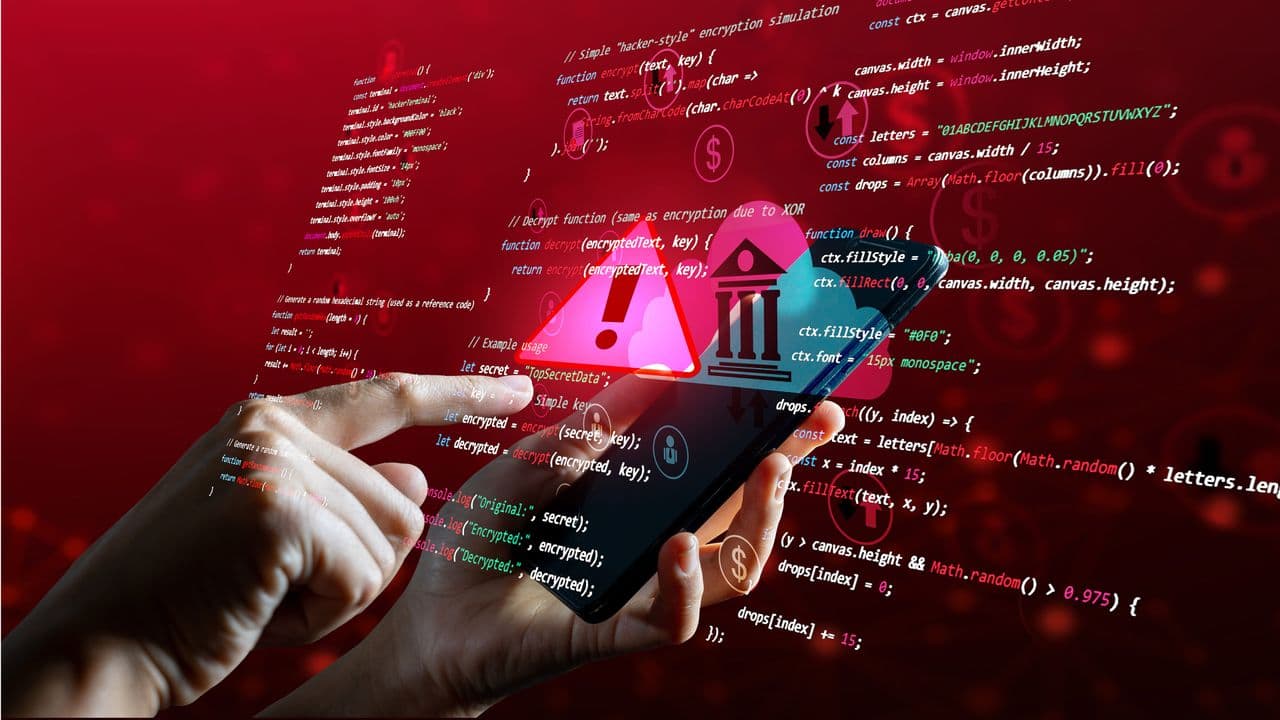
The human voice has long been a trusted identifier for banking, customer service and internal corporate communication. That trust is now a liability. Advances in AI voice cloning have turned audio into one of the most vulnerable attack surfaces in cybersecurity.
Attackers need only a few seconds of recorded speech to generate convincing impersonations. Recent incidents include criminals mimicking executives to authorize fraudulent wire transfers. The technology has matured to the point where detection is difficult even for trained ears.
The Unique Danger Of Voice
Unlike text or password breaches, voice fraud exploits a biological constant. People cannot easily change their voice. Once a sample is compromised, it can be reused across multiple platforms. Call centers, voice assistants and remote authentication systems all rely on vocal cues that AI can now replicate with high fidelity.
Current countermeasures like voice biometrics are often static and vulnerable to replay attacks. Liveness detection, which checks for natural hesitation and breathing patterns, offers some defense but is still an arms race against generative models that improve weekly.
Why Enterprises Are Exposed
Corporate phone systems and remote work tools have expanded the attack surface. Many organizations still rely on knowledge-based authentication such as asking for a mother's maiden name. These secrets are easily obtained from data breaches or social media. AI voice cloning removes the final barrier of vocal confirmation.
Financial services are the most targeted sector. The FBI reported a surge in CEO fraud using synthetic audio. Healthcare and legal industries, where voice consent is common, face similar risks. Regulators have yet to mandate specific protections, leaving companies to self-regulate.
Why This Matters
Every business that uses voice for verification is at risk. An individual fraudulent call can cost millions. For consumers, the erosion of voice as a trust signal means that any phone call claiming to be from a bank or a boss could be a deepfake. The gap between AI capability and defensive measures is widening faster than industry standards can adapt. Without real-time identity verification across communications channels, the next major cyber breach may start with a simple spoken phrase.