Senior Editor: Alan Agbele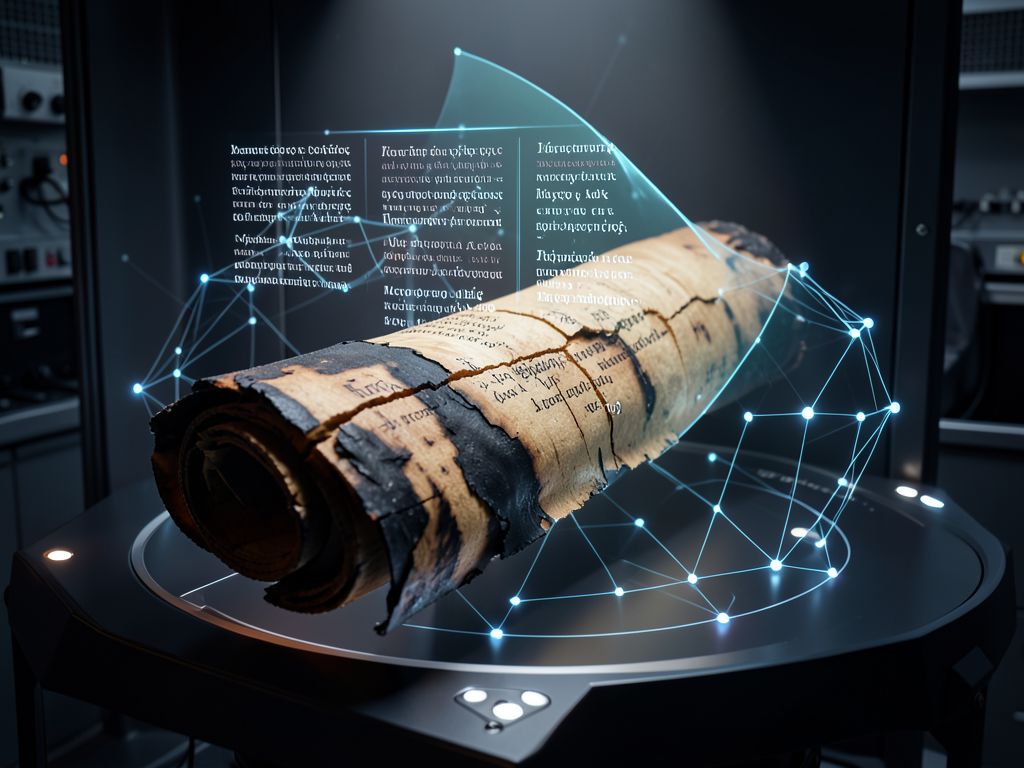
For nearly two millennia, a scroll burned to a crisp by Mount Vesuvius held its contents secret. Now artificial intelligence has revealed them. Researchers have read 20 columns of hidden text covering more than a metre of charred papyrus without physically unrolling the scroll. The work discusses stoic philosophy on ethics, art and human behaviour.
The scroll is part of the Herculaneum library buried by Vesuvius in 79 AD. Charred into a fragile, unopenable block, the papyrus was long considered unreadable. A combination of X-ray microtomography and machine learning models changed that. The AI detected ink traces invisible to the human eye and reconstructed the text column by column.
How AI Reads Ancient Text
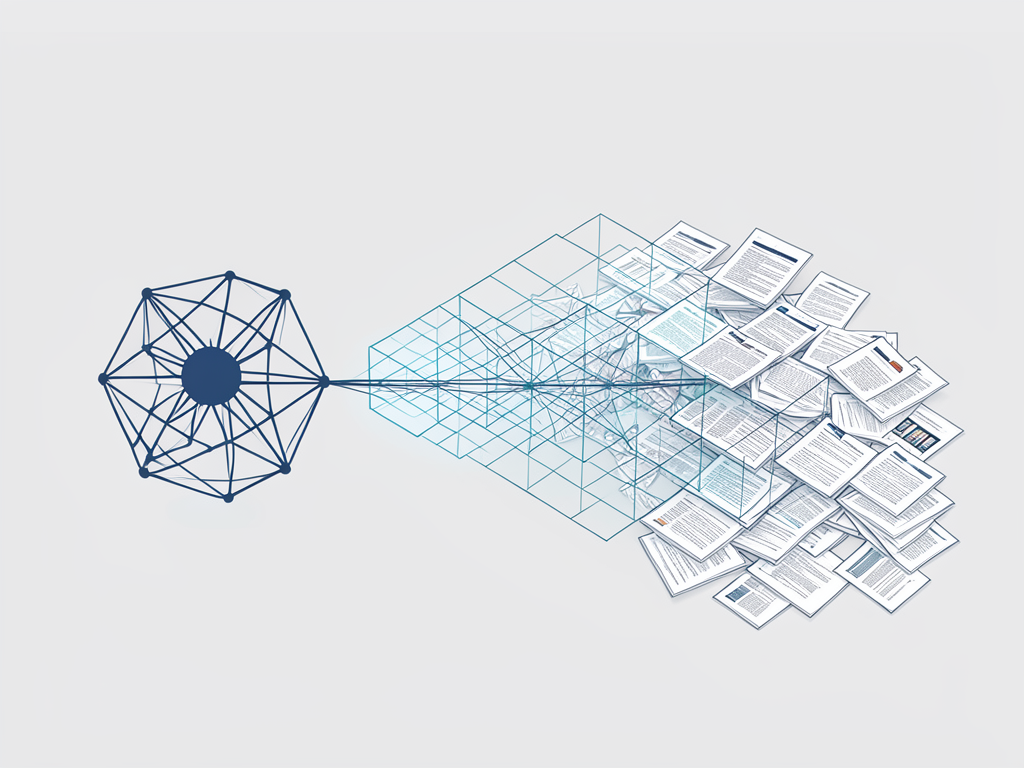
The method involves scanning the rolled scroll at high resolution. Algorithms trained on other ancient papyri learn to distinguish ink from papyrus. They then predict the sequence of letters and words without ever unrolling the material. This approach builds on work from the Vesuvius Challenge, a competition that spurred breakthroughs in virtual unwrapping.
Key technical steps include:
The Stoic Wisdom Revealed
The newly deciphered text dates to the second or late-third century BC. It discusses stoic ideas about ethics, the nature of art and human behaviour. Stoicism, a school of Hellenistic philosophy, emphasized rationality and virtue. The scroll may be a lost work from an early stoic thinker, offering fresh insight into the development of the philosophy.
Why This Matters
This breakthrough affects historians, classicists and anyone interested in ancient thought. The Herculaneum library contains hundreds of scrolls, many still unread. AI tools promise to unlock volumes of lost literature, including poetry, history and philosophy. The work also demonstrates how artificial intelligence can bridge technology and the humanities. For readers today, it means access to ideas that have been buried for almost 2,000 years.
The same approach could be applied to other damaged artifacts. Museums and institutions holding fragile documents may use AI to reveal hidden content without risking physical damage. Each scroll recovered adds a piece to the puzzle of ancient civilization.