Senior Editor: Alan Agbele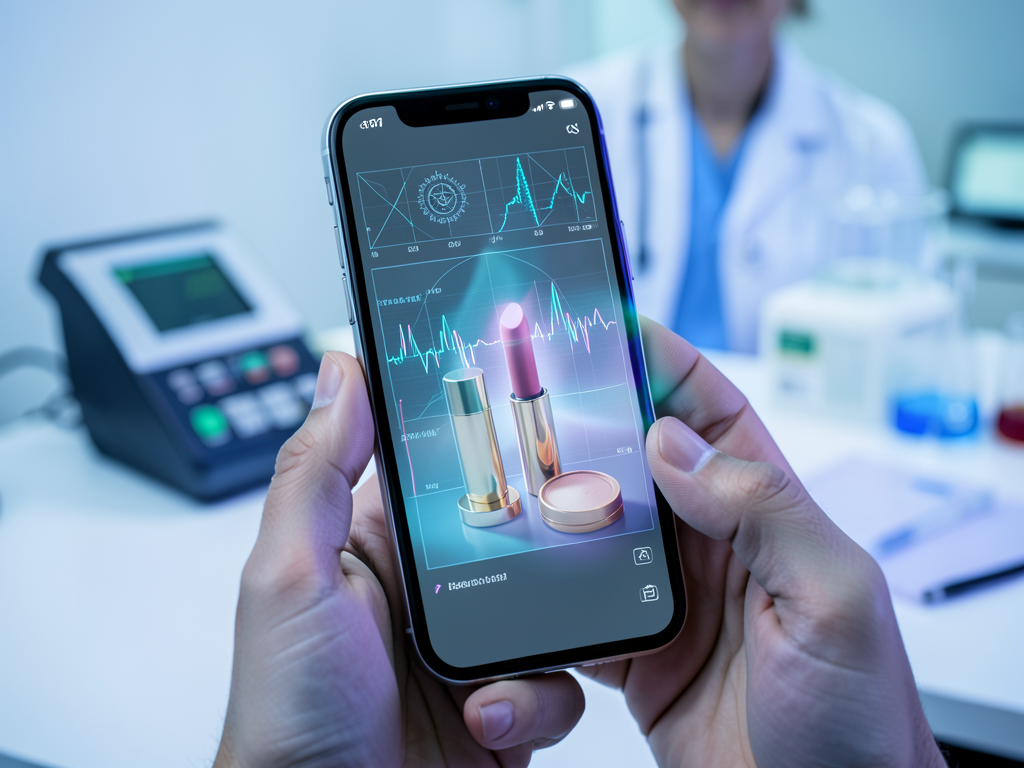
Counterfeit cosmetics pose a growing risk to consumer health and brand reputation. A new AI-powered tool aims to give buyers and inspectors a reliable way to identify fakes on the spot.
How the Detection System Works
The Identifying platform analyzes multiple layers of a cosmetic product: the print quality of the box, the embossing on the bottle, the consistency of the liquid or powder, and even the chemical signature of the fragrance. The AI model was trained on thousands of authentic and counterfeit product samples.
A Booming Counterfeit Market
The global cosmetics industry loses billions each year to counterfeiting. Fake products often contain toxic ingredients such as lead, mercury or bacteria. Regulators have struggled to keep pace with sophisticated packaging that mimics legitimate brands. The Identifying tool aims to shift the balance by putting verification power directly into the hands of consumers.
Brand owners, however, see the system as a double-edged sword. While it protects their reputation, it also requires them to share detailed product data with a third-party platform. Privacy and security of that data remain open questions.
Why This Matters
The Identifying system represents a shift in how counterfeit goods are fought: from after-the-fact enforcement to real-time verification. If widely adopted, it could reduce the availability of dangerous fakes in both online and physical marketplaces. For consumers, it means a simple smartphone scan could prevent exposure to harmful chemicals. For regulators, it offers a scalable tool that does not rely solely on lab testing. The technology may eventually expand beyond cosmetics to pharmaceuticals and other high-risk consumer goods.
The challenge now is adoption. The system works only if brands cooperate and consumers know about it. Without broad participation, counterfeiters will simply target products that are not yet in the database.