Senior Editor: Alan Agbele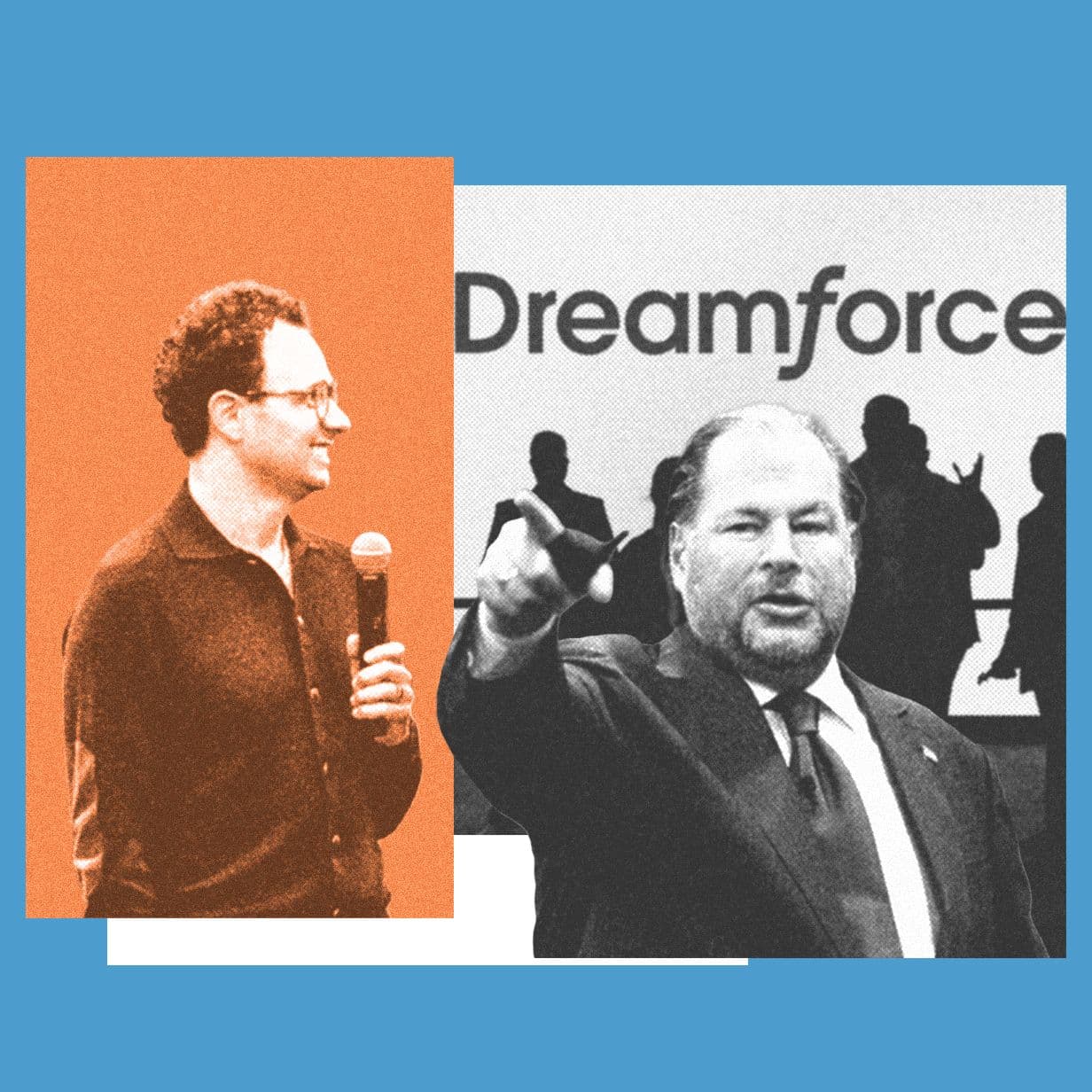
San Francisco’s Dreamforce conference turned into an unexpected forum for a high-stakes debate on artificial intelligence. The CEOs of OpenAI, Anthropic and Nvidia took the stage to argue whether the industry should slow down its rapid deployment of AI systems. The discussion exposed deep fault lines between those pushing for more caution and those insisting speed is essential to compete globally.
The Clash of Philosophies at Dreamforce
Sam Altman of OpenAI and Dario Amodei of Anthropic represented opposing positions on AI safety. Altman argued that moving too cautiously risks ceding leadership to less responsible actors. Amodei, however, warned that releasing powerful models without robust safeguards could cause irreversible harm. Nvidia CEO Jensen Huang positioned his company as a neutral supplier, emphasizing that hardware providers should not dictate policy.
Why This Matters
The debate at Dreamforce signals a turning point for the AI industry. Enterprises that rely on tools from these companies face uncertainty about future capabilities and compliance requirements. Regulators watching the exchange may use the arguments to justify faster or more restrictive rulemaking. The rift between OpenAI and Anthropic also suggests that AI safety is no longer a theoretical concern but a central business risk.
Salesforce’s Role in the Conversation
Salesforce hosted the event and used its platform to call for more transparency from AI developers. The company, whose CRM software increasingly integrates AI features, has a direct interest in how quickly and safely these models evolve. By inviting CEOs to debate publicly, Salesforce positioned itself as a mediator between competing visions.
Market Implications and Enterprise Adoption
The disagreement among AI leaders creates confusion for businesses trying to decide which platforms to adopt. Companies using OpenAI’s GPT models may face future regulatory restrictions if governments adopt Anthropic’s cautious approach. Conversely, enterprises that wait for slower, safer models risk falling behind competitors who move fast. This tension is likely to intensify as more industries integrate AI into core operations.
The AI slowdown debate follows a pattern seen in other transformative technologies. The internet’s early years saw similar clashes over encryption and data privacy. The outcome of the current discussion will shape not only product roadmaps but also the public’s trust in AI systems.