Senior Editor: Alan Agbele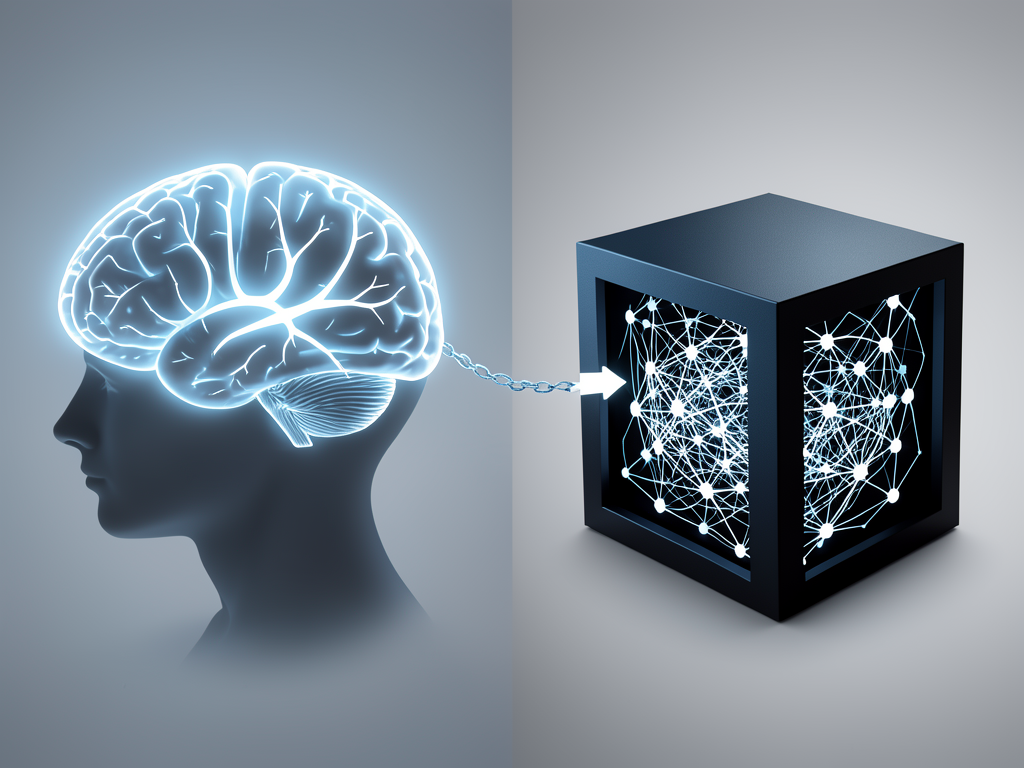
A recent discussion on Hacker News has reignited a critical debate in the artificial intelligence community: whether researchers and users are mistakenly attributing human-like reasoning to the intermediate tokens generated by large language models. The thread, centered on the post "Stop Anthropomorphizing Intermediate Tokens as Reasoning/Thinking Traces", argues that labeling these internal outputs as "thinking traces" creates a false narrative about model cognition that can distort both development priorities and public understanding.
The Case Against Anthropomorphism
The core contention in the Hacker News conversation is that labeling intermediate tokens as reasoning or thinking implies a level of introspection and intentionality that current AI systems simply do not possess. Proponents of this view argue that even when a model produces a step-by-step trace that resembles human deduction, the underlying process remains a black box of probability calculations. The output may look like reasoning, but the mechanisms are fundamentally different from human cognition.
Researchers have pointed out several hazards of this anthropomorphic framing. The most immediate is that it encourages overtrust: developers and users may assume that a model's visible reasoning steps are reliable indicators of its decision-making process. This can lead to faulty conclusions about model safety and alignment.
Thinking Traces in Practice
Thinking traces refer to the intermediate tokens generated by models as they produce a final answer, often surfaced through prompt engineering or specialized architectures. These traces have become a popular tool for interpretability, yet their actual utility remains a subject of debate. Key points from the discussion include:
Why This Matters
The way the AI community conceptualizes intermediate tokens has direct implications for alignment research, model testing, and public policy. If thinking traces are treated as genuine reasoning, regulators may demand transparency that is technically meaningless, while safety researchers may chase artifacts that reveal little about actual model internals. The debate also affects how companies communicate capabilities: marketing that emphasizes reasoning can inflate expectations and lead to deployment in high-stakes domains where reliability cannot be assured.
For end users, the risk is oversimplification. When a model appears to show its work, people may trust it more than the system warrants. This anthropomorphism can obscure the statistical nature of AI outputs, leading to misuse in areas like medical diagnosis, legal analysis or financial forecasting.
What Comes Next
The discussion around thinking traces is unlikely to subside. As models grow more sophisticated, the pressure to interpret their outputs in human terms will only increase. Researchers are calling for more precise language and rigorous evaluation of what intermediate tokens actually represent. The ultimate challenge is to develop interpretability methods that do not rely on metaphorical shortcuts, while still making model behavior accessible to non-experts. The Hacker News thread serves as a reminder that how we talk about AI systems shapes how we build, regulate and trust them.