Editor: Porcia Akua Holmes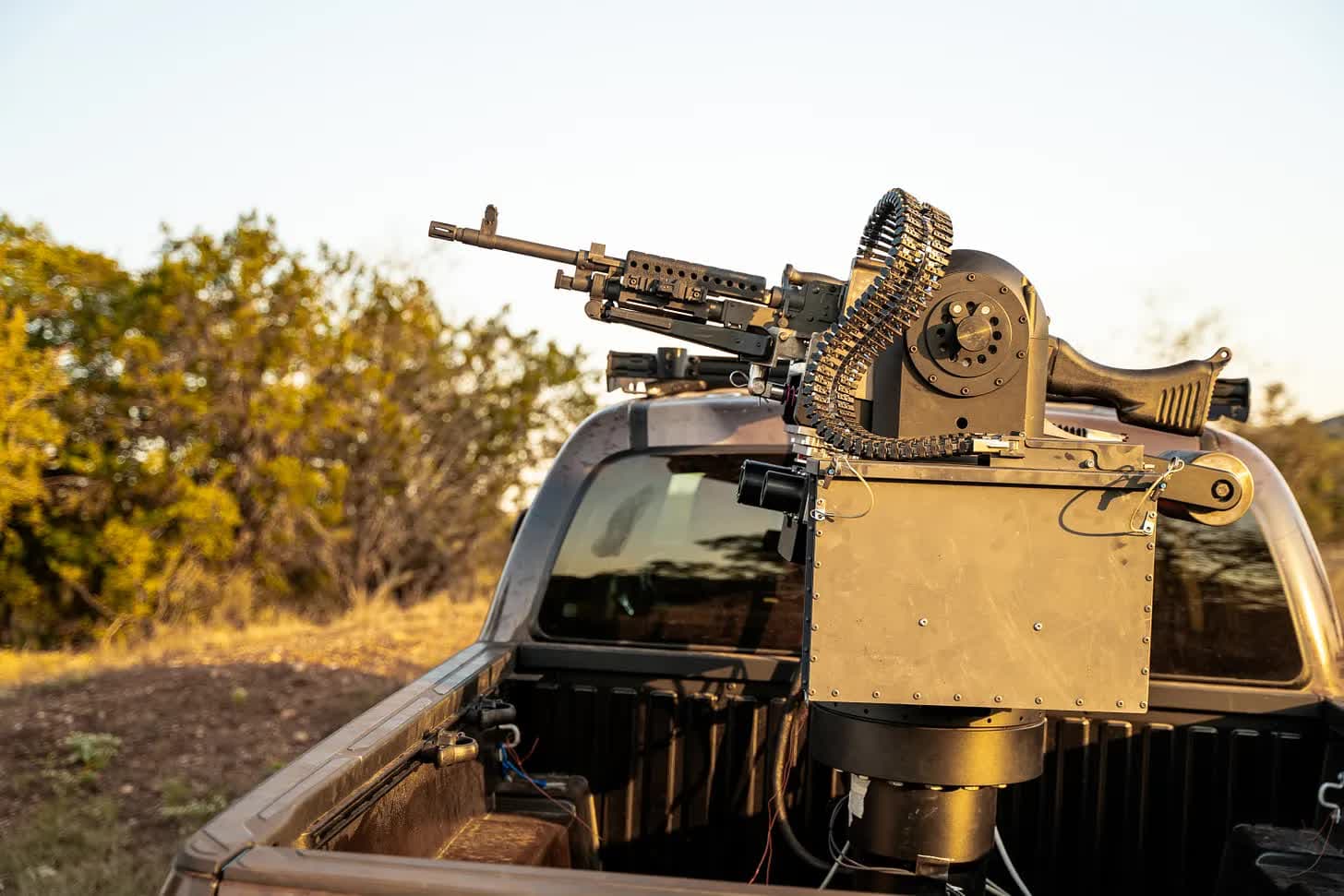
The Marine Corps has selected a robotic weapon system capable of tracking human targets, a capability its manufacturer markets primarily as an anti-drone tool. The Bullfrog M240, developed by Allen Control Systems, will be integrated into the Light Marine Air Defense Integrated System under a $6.2 million prototype contract.
How the Bullfrog M240 Works
The system mounts a M240 machine gun on a robotic platform controlled by artificial intelligence. Sensors and computer vision algorithms allow it to identify and follow aerial threats without direct human guidance. The same tracking technology, however, can lock onto ground-based human targets with equal precision.
Dual-Use Concerns
The Marine Corps has not publicly confirmed that the system can target people. But the underlying technology does not distinguish between drone and human shape when the AI is tasked to track moving forms. Human rights advocates argue that deploying such systems in populated areas could lead to unintended civilian casualties. The Pentagon's own policy on autonomous weapons requires meaningful human control over lethal decisions. Yet the Bullfrog M240 operates with a level of autonomy that blurs that line.
Why This Matters
The Bullfrog M240 contract is a test case for how the U.S. military deploys artificial intelligence in combat. If successful, similar AI turrets could become standard on ground vehicles, changing the nature of armed conflict. For civilians in conflict zones, the risk of being misidentified as a threat increases when machines make split-second targeting decisions. The international community, meanwhile, lacks clear treaties governing autonomous weapons, making domestic policy the only check on their spread. How the Marine Corps manages this dual-use capability will set a precedent for years to come.