Senior Editor: Alan Agbele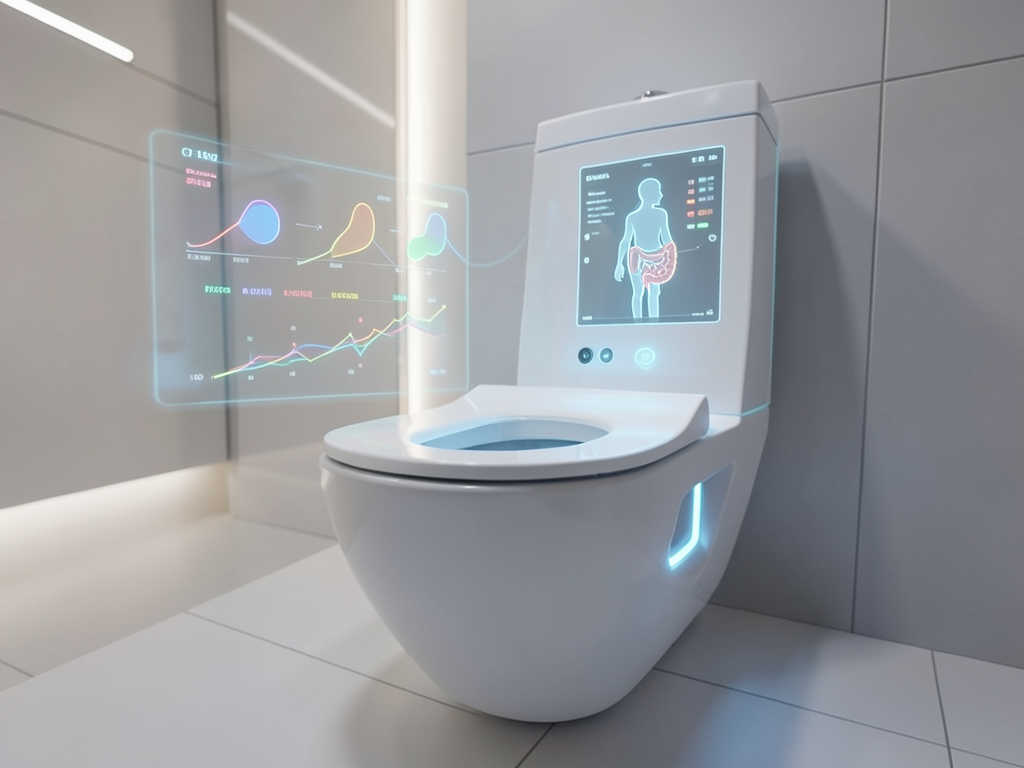
A growing number of bathroom fixtures now come equipped with artificial intelligence that examines human waste. Companies market these smart toilets as tools for tracking gut health. But medical experts warn the technology offers little practical value for most people.
The Tech Behind Smart Toilet Analysis
Modern smart toilet systems typically mount a small camera inside the bowl that photographs waste mid-flush. A connected app processes the images through object recognition algorithms trained to identify features like blood streaks, undigested food or mucus. Some models also measure urinalysis strips embedded in the seat. The results are presented as daily scores or trend charts intended to mirror the way fitness trackers monitor exercise.
The approach relies on computer vision techniques adapted from fields like food inspection and medical imaging. By comparing each sample against a database of labeled examples the system attempts to flag abnormalities that warrant attention. Proponents argue this passive monitoring removes the burden of manual logging and catches changes users might overlook.
Expert Skepticism and Limitations
Medical specialists question whether the technology delivers actionable information. A stool analysis performed in a lab uses multiple chemical assays and microscopic examination. A snapshot from a toilet cannot replicate that depth. Experts also note that normal variations in bowel movements happen frequently and that transient findings often resolve without intervention.
Why This Matters
The smart toilet trend reflects a broader push to embed diagnostic capabilities into everyday household objects. If evidence eventually supports its effectiveness the technology could help catch colorectal issues earlier, especially for people who avoid regular screenings. For now, however, the balance tilts toward risk. Users who purchase these devices pay premium prices while receiving unverified advice. The digital data generated also lacks the legal protections granted to medical records. Regulators have not yet issued guidance on what constitutes a valid health claim for a bathroom fixture. Until standards emerge consumers should treat the output as novelty rather than medical fact. The real change hinges on whether manufacturers invest in rigorous trials or continue to rely on algorithm hype.