Senior Editor: Alan Agbele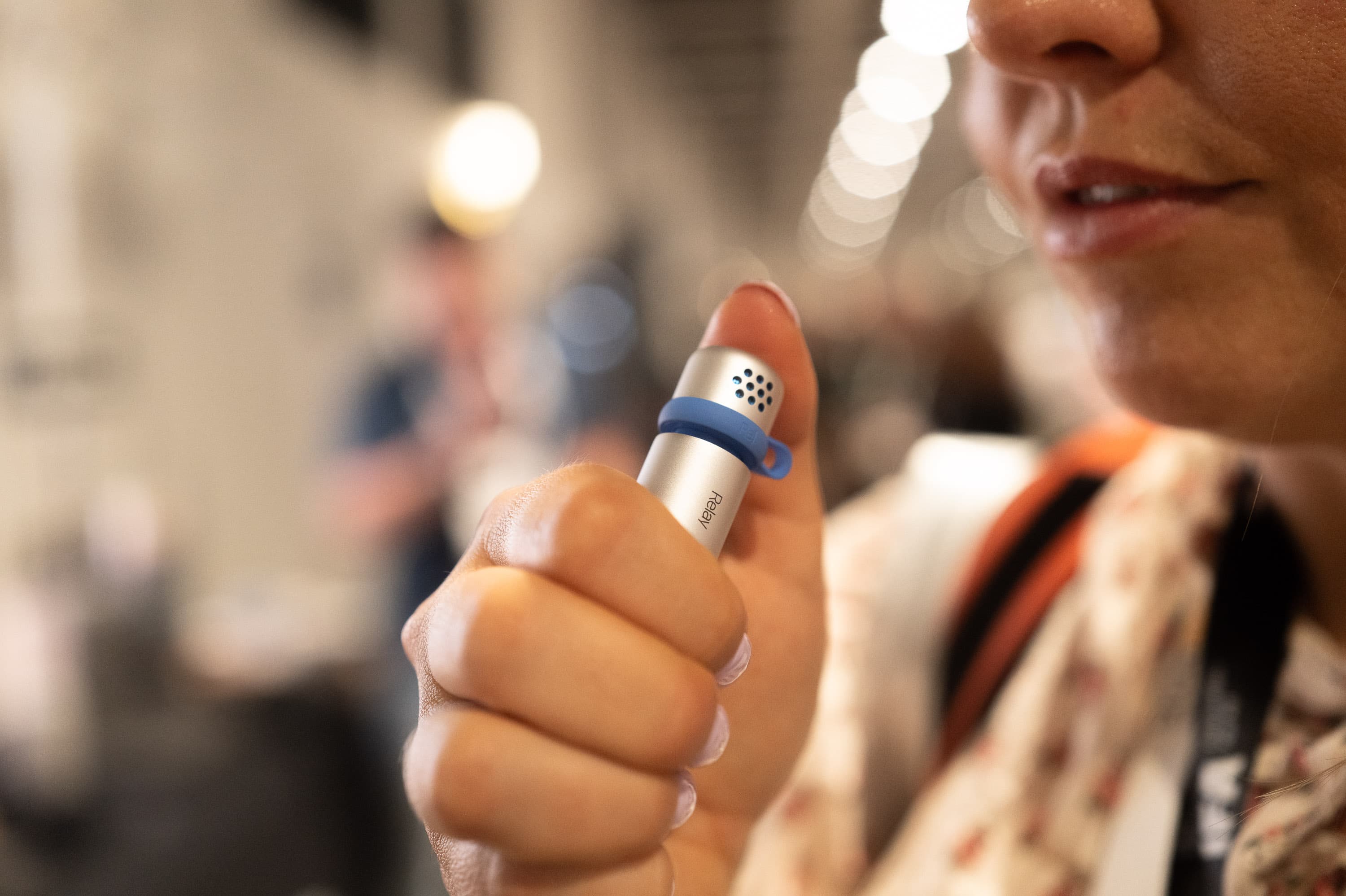
Voice-based computing is taking a concrete step forward. Aural Innovations has unveiled a dedicated AI microphone designed to replace the keyboard as the primary input method for computers. The device, called the Jazzy AI Microphone, uses large language models to convert speech into text and execute commands in real time.
How the Device Works
The microphone captures audio and streams it to cloud servers running OpenAI's GPT-4. The system processes natural language, distinguishing between commands and dictation. Aural Innovations claims the device can transcribe speech with accuracy comparable to human transcriptionists while handling complex punctuation and formatting.
Key features include:
A Bold Statement on the Future of Input
At the launch event, Aural Innovations' CEO made a provocative declaration: "Welcome, Your Keyboard, This Jazzy AI Microphone Is All You Need Now." The phrase reflects the company's belief that physical keyboards are becoming obsolete as voice AI matures. The Jazzy AI Microphone is the company's first hardware product, and its marketing directly challenges decades of typing-centric computing.
The company has not yet announced pricing or a release date. Early demonstrations suggest the device works with Windows and macOS, and a mobile version is under development.
Why This Matters
The Jazzy AI Microphone represents a shift in how people might interact with computers. If voice input can match keyboard speed and accuracy, it could transform workflows for writers, programmers and data entry specialists. The technology also lowers barriers for users with physical disabilities that make typing difficult.
But widespread adoption faces hurdles. Background noise, privacy concerns and the need for constant internet connectivity remain challenges. Aural Innovations will need to prove that its microphone works reliably in real-world environments. If successful, the product could accelerate the transition toward a keyboard-free future that many tech companies have long predicted.