Editor: Porcia Akua Holmes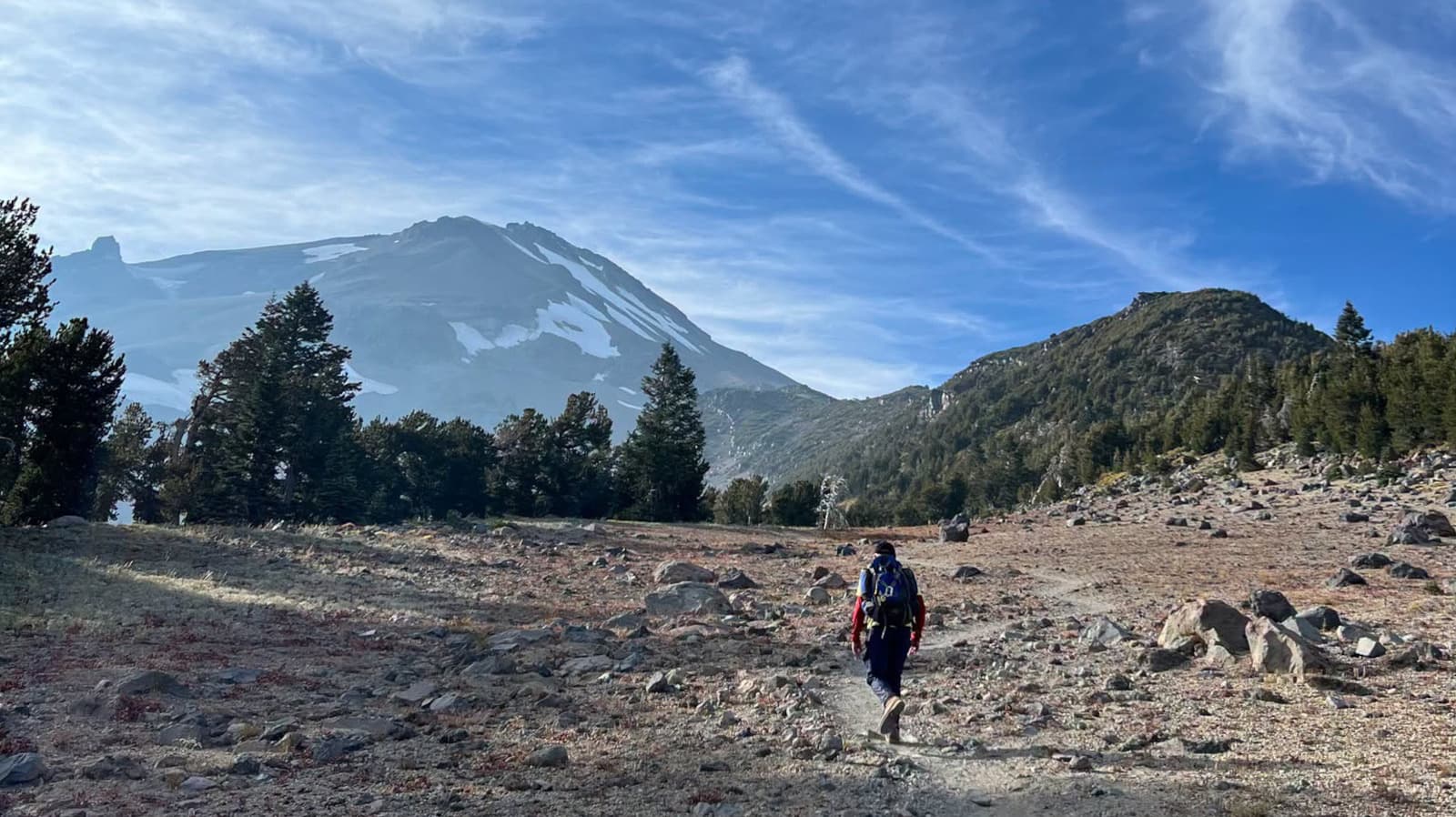
A group of climbers who asked Google's Gemini AI for a route plan on Mount Shasta learned a hard lesson in the limits of artificial intelligence. The AI estimated the climb would take eight hours. The group had to be rescued more than a day later after the plan proved dangerously inaccurate.
AI Overpromises on Mount Shasta
The climbers consulted Gemini for guidance on ascending Mount Shasta, a 14,179-foot peak in California known for its volatile weather and technical challenges. The AI told them an eight-hour round trip was feasible. In reality, the climb required a multiday effort, and the group became stranded. Search and rescue teams extracted them more than 24 hours after they started, according to reports.
This is not the first time a prominent AI model has delivered dangerously flawed advice for outdoor activities. The pattern reveals a deeper problem: generative models are optimized for fluent text, not safe decision-making.
Why AI Fails in Safety-Critical Tasks
Large language models such as Gemini are trained on vast corpora of text, including forum posts, trail descriptions and climbing guides. They stitch together plausible but unverified sequences. The models cannot factor in current snow conditions, altitude sickness risks or the climbers' physical fitness. They also lack a sense of terrain complexity or weather patterns that change rapidly on mountains.
Ground truth is what matters for high-stakes planning, and AI does not access it. The model's confidence in its eight-hour estimate masked the uncertainty inherent in mountain conditions. For users, confident-sounding but wrong answers can be lethal.
Why This Matters
As AI tools become embedded in everyday planning from trip itineraries to emergency prep, the Mount Shasta incident signals a regulatory and design gap. No major AI provider currently flags outputs as unsafe for life-critical use. Consumers are left to judge reliability on their own, often without technical expertise. For outdoor recreation, the consequences of trusting AI can include injury or death. The industry must develop clear disclaimers and safety guardrails for use cases involving physical risk. Until then, users should treat any AI-generated plan for high-risk activities as a starting point, not a roadmap.