Editor: Porcia Akua Holmes
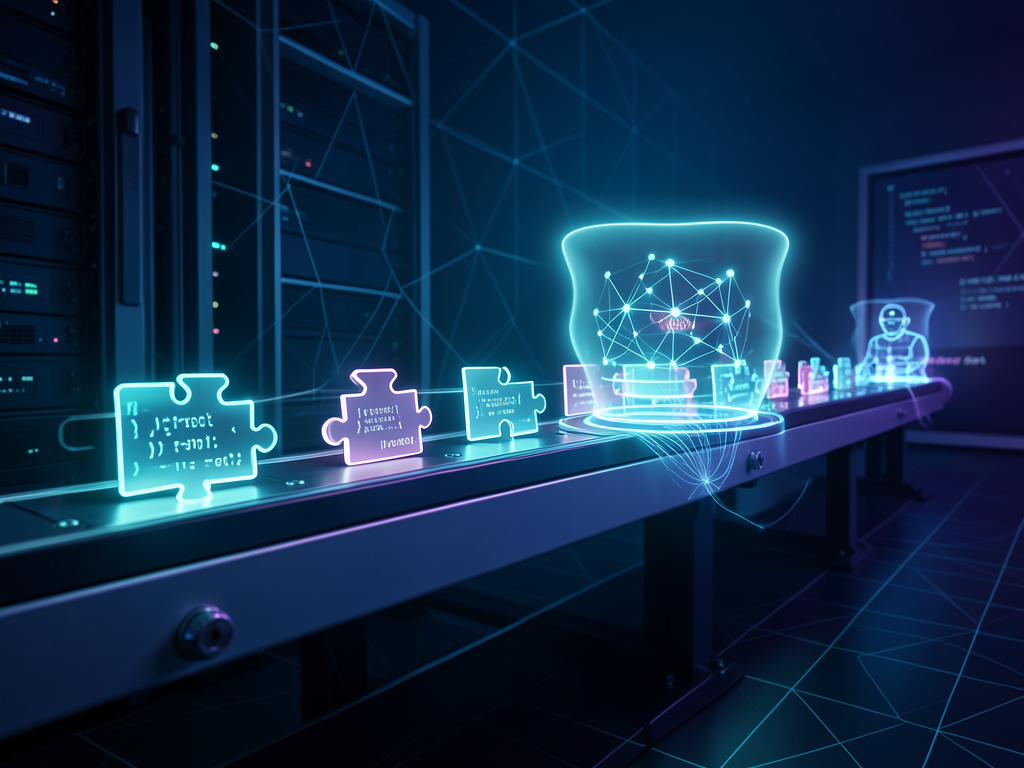
A growing body of evidence suggests that AI-generated code may not deliver the productivity gains many software teams expect. In some cases, it could actually slow development.
Recent analysis by researchers at Carnegie Mellon University and MIT examined how AI coding assistants like GitHub Copilot affect team velocity. The findings challenge the prevailing narrative that more code generation automatically accelerates delivery. Teams relying heavily on AI-produced code reported longer review cycles and more defects per pull request.
The Productivity Paradox
AI coding tools promise to write boilerplate faster. But speed of generation does not equal speed of delivery. Code must still be reviewed, tested and integrated. AI-generated code often introduces subtle errors that require close inspection. A developer reviewing AI code may spend more time understanding and correcting it than writing from scratch.
The study tracked several teams over six months. Those using Copilot for more than 30 percent of their commits saw a measurable drop in deployment frequency. The time to merge pull requests increased by an average of 20 percent. The researchers attributed this to the extra scrutiny required for AI contributions.
The Hidden Cost of Generated Code
Beyond immediate productivity, AI-generated code raises concerns about technical debt. Machine learning models lack long-term context about a project's architecture. They generate code that fits the immediate prompt but may not align with design patterns, naming conventions or abstraction layers. Over time, this creates fragmentation that slows future work.
The report also highlighted an increase in code churn. Developers frequently rewrote or removed AI-generated snippets within weeks. This rework added overhead without measurable benefit. The net effect was that teams producing more AI code did not ship more features. In some cases they shipped fewer.
Why This Matters
Software engineering leaders are investing heavily in AI tools, expecting productivity leaps. These results suggest the return on investment may be lower than advertised. Teams that adopt AI coding assistants without adjusting their review processes or quality standards risk incurring hidden costs. The real bottleneck is not code generation but code comprehension and maintenance.
For individual developers, the takeaway is clear: treat AI output as a draft, not a finished product. Relying on generated code to skip careful design work can compound problems. The most effective use of AI may be in handling isolated tasks where the logic is well-defined and the risk of side effects is low.
Adapting to a New Workflow
Organizations can still benefit from AI coding tools if they adapt their workflows. Dedicated review checklists for AI-generated code, tighter integration tests and mandatory pair programming on AI contributions can reduce defects. The researchers recommend limiting AI-generated code to noncritical sections or boilerplate until the models improve.
Tools themselves are evolving. Future versions of GitHub Copilot and competitors like Amazon CodeWhisperer may better account for project context. Until then, teams should measure velocity holistically, not just by lines of code written. Speed at the keyboard does not guarantee speed to customers.