Senior Editor: Alan Agbele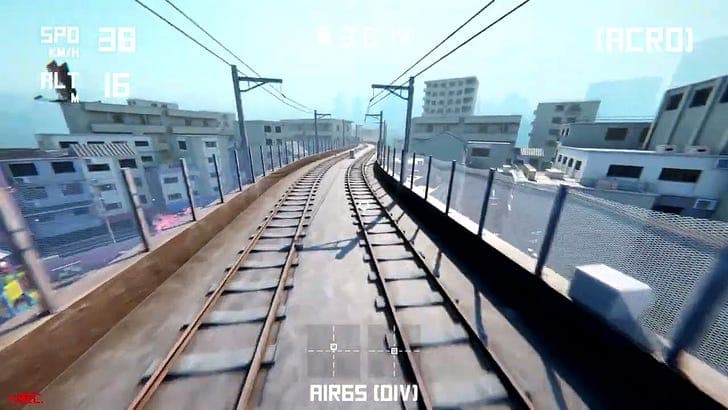
An AI-powered flight coach is changing how drone pilots learn to fly FPV (first-person view) aircraft. The system, called Learning, analyzes pilot inputs and drone telemetry to deliver real-time corrective feedback during flight sessions.
How the AI Coach Works
Learning integrates with standard FPV drone radio transmitters and tracks throttle, pitch, roll and yaw inputs. The AI compares actual pilot commands against optimal flight paths for common maneuvers such as turns and flips. When the system detects a deviation, it sends a vibration alert or on-screen hint to the pilot.
Why This Matters
FPV drone racing and freestyle flying have grown rapidly, but the lack of accessible training methods remains a barrier. Learning aims to reduce the crash rate and equipment damage that discourages new pilots. For the drone industry, a successful AI coach could lower the cost of entry and expand the talent pool for competitive events. The system also raises questions about the role of AI in skill acquisition. If a machine can teach a human to fly a drone, it may eventually replace human instructors in specialized fields.
Broader Implications for Drone Culture
Learning is not the first attempt to use AI for pilot training, but it is one of the few focused on FPV style. Traditional flight simulators already exist, but they lack the physical feedback of real drone handling. The Learning system bridges that gap by attaching to actual hardware. The developer behind Learning, who goes by the handle FPVCoach, stated that the system uses a neural network trained on thousands of hours of expert piloting data. The current version supports the most common Betaflight and ExpressLRS configurations.
Pilots who have tested the beta version report that the vibration alerts help them correct overcorrections during turns. The system also highlights when a pilot is applying too much throttle during a descent, a common cause of prop wash instability. Learning, however, does not replace the need for manual practice and muscle memory. It simply accelerates the feedback loop.
What You Need to Know
Learning is available as a free beta download for Windows and Linux. The system requires a compatible radio transmitter with a USB output. The full release will include a subscription model with additional maneuver packs and performance analytics. For now, the tool is best suited for intermediate pilots who have basic hovering skills but want to improve complex tricks.