Senior Editor: Alan Agbele
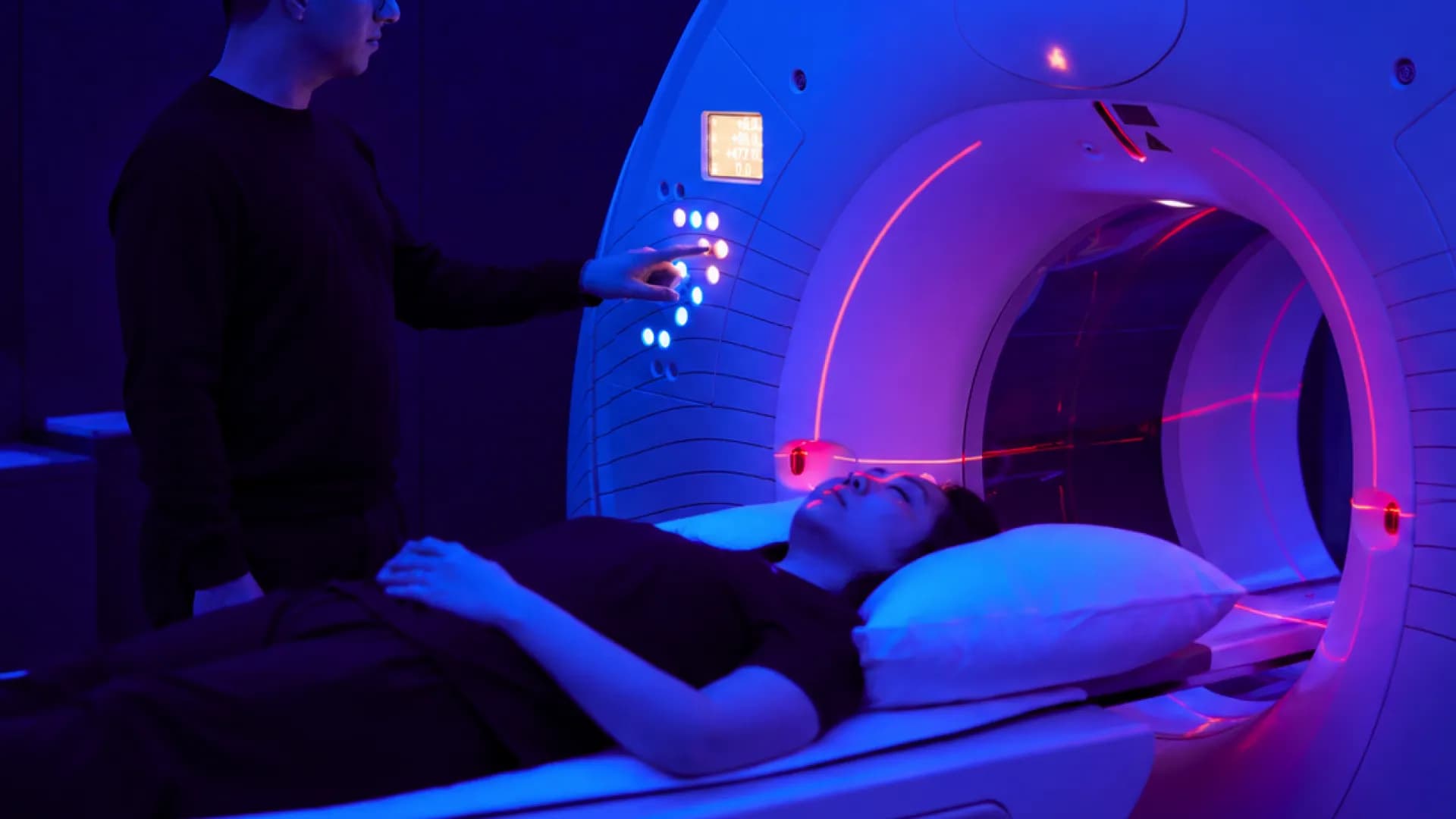
A new artificial intelligence system has identified coronary inflammation in 42.9% of patients whose routine CT scans had not flagged the condition, according to findings circulating among medical imaging researchers. The result suggests that a large share of cardiovascular risk is invisible to conventional scan interpretation.
How the AI Model Reads Coronary Inflammation
The system works by analyzing existing computed tomography scans, the same images doctors already use to check for lung issues, fractures or calcium buildup. Instead of looking only at obvious blockages, the model examines subtle texture and density patterns around the coronary arteries.
Those patterns correlate with inflammation in the vessel walls, a condition that can precede a heart attack even when no significant narrowing is visible. The AI was trained to recognize these signals across a large patient dataset, then applied to scans where the inflammation had not been reported.
The 42.9% figure comes from that application. It represents patients whose scans contained detectable inflammation that standard interpretation missed. In practical terms, nearly half of the reviewed group carried a risk marker that went unmentioned in their original reports.
Why Standard CT Reads Miss the Signal
Radiologists reading a CT scan typically focus on anatomy they can see clearly: plaque, stenosis, nodules or fractures. Coronary inflammation, however, does not produce a discrete shape. It shows up as a diffuse change in tissue characteristics, which is difficult to quantify by eye.
That limitation is not a failure of skill. It is a limitation of human visual perception when faced with subtle, distributed data. The AI model, by contrast, can compare thousands of scans and detect statistical deviations that fall below the threshold of visual detection.
The clinical implication is significant. A patient could receive a clean CT report for a lung check and still harbor active coronary inflammation. Without the AI layer, that risk stays invisible until a cardiac event occurs.
What This Means for Cardiac Risk Screening
Cardiovascular disease remains the leading cause of death worldwide, and early detection is one of the few proven ways to reduce fatalities. Current screening relies on blood tests, electrocardiograms and dedicated cardiac imaging, each with its own cost and access barriers.
An AI tool that extracts cardiac risk data from scans already performed for other reasons could lower those barriers. No new appointment, no additional radiation and no extra cost to the patient. The scan is already in the system.
Health systems, however, would need to validate the model on their own patient populations before trusting it for clinical decisions. Regulatory clearance and workflow integration remain open questions.
Why This Matters
The finding shifts the conversation from detection to prevention. If coronary inflammation can be flagged from scans that already exist, then millions of patients could receive a risk warning years before a heart attack. That changes the timeline for intervention, from emergency response to early management.
Cardiologists and radiologists would need to decide how to act on an AI-flagged inflammation signal. Does it trigger medication, lifestyle counseling or further testing? Those protocols do not yet exist at scale, and their absence could create confusion rather than clarity.
Insurers and health systems also face a new cost equation. Widespread AI screening could increase short-term spending on follow-up care while reducing long-term costs from avoided cardiac events. The balance depends on how many flagged patients actually benefit from early intervention.
For patients, the practical takeaway is that a normal CT report may no longer mean a normal heart. The technology is not yet standard, but it points toward a future where every scan carries hidden cardiac information waiting to be read.