Senior Editor: Alan Agbele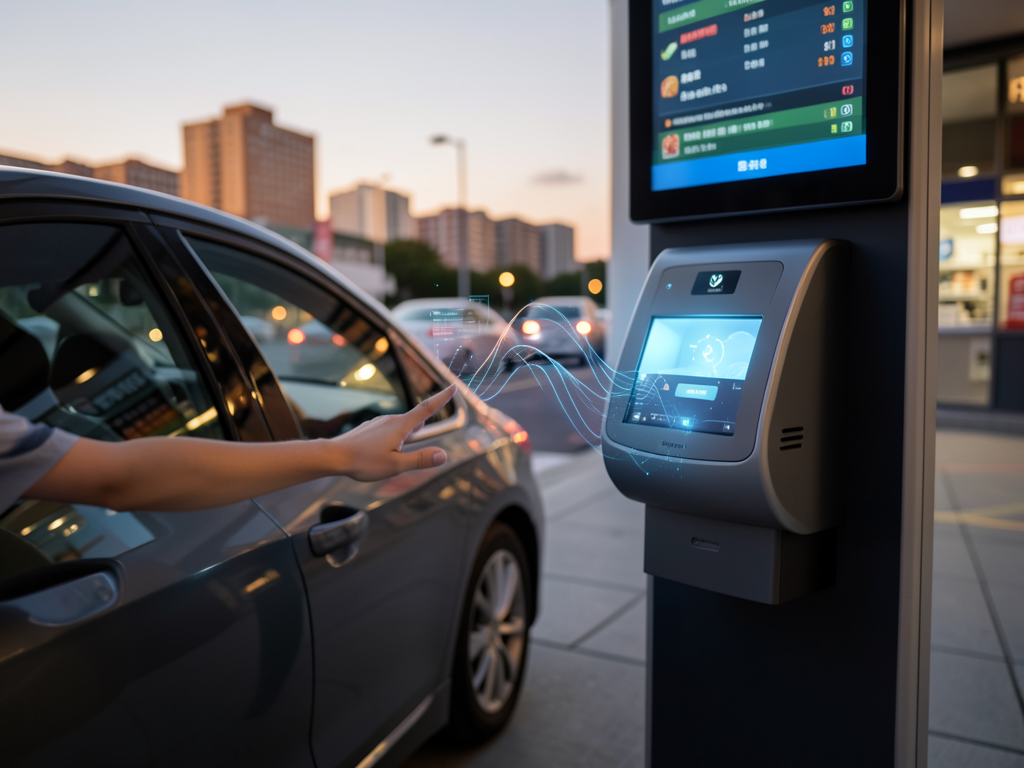
Your next burger order may be processed by an AI system that never sleeps, mistakes or takes a sick day. The same artificial intelligence that powers code generation is now being deployed to take your fast food order. And you might not even notice the difference.
The Drive-Thru Revolution
Major fast food brands are quietly rolling out AI-powered ordering systems at select locations. The systems use voice recognition software trained on millions of conversations to handle the complexity of drive-thru interactions. Unlike earlier automated attendants that could only handle simple yes-or-no responses, modern AI agents can process accented speech, correct misunderstandings and suggest menu items based on the time of day.
This shift echoes the sentiment captured in the observation that AI has already conquered coding and is now moving into new territory. The phrase "AI Conquered Coding. Fast Food Is Next" reflects a broader trend of generative AI expanding from software development into physical-world customer service. Industry analysts estimate that half of all fast food drive-thru orders could be handled by AI within five years.
How It Works
Current implementations pair a large language model with a custom voice interface trained on fast food vocabulary. The system listens for menu items, modifiers and quantities. It then repeats the order back to the customer for confirmation. If the system cannot understand a request, it escalates to a human employee who can take over remotely.
Early tests show that AI systems can handle about 80 percent of orders without human intervention. The remaining 20 percent involve complex customizations, unclear speech or first-time customers who need extra guidance.
Why This Matters
The shift to AI ordering carries real consequences for the fast food workforce. Drive-thru positions represent a significant share of entry-level jobs in the United States. If AI systems become standard, thousands of workers could see their roles reduced to monitoring stations rather than taking orders directly. Consumers, however, may benefit from faster service and fewer errors, though the loss of human interaction could change the nature of dining out. The technology also raises privacy concerns: voice recordings are already being used to train future models, and customers may not know their conversations are being processed by an AI.
Restaurant owners, on the other hand, face a difficult trade-off. AI systems can reduce labor costs by as much as 30 percent per location, but the upfront investment in hardware, software and training is substantial. Smaller chains may struggle to keep up while larger corporations accelerate deployment.
Ultimately, the question is not whether AI will take over drive-thru ordering but how quickly and with what safeguards. The same technology that conquered coding is now learning to take your order. And it may not be long before the bot behind the voice is as familiar as the cashier once was.