Editor: Porcia Akua Holmes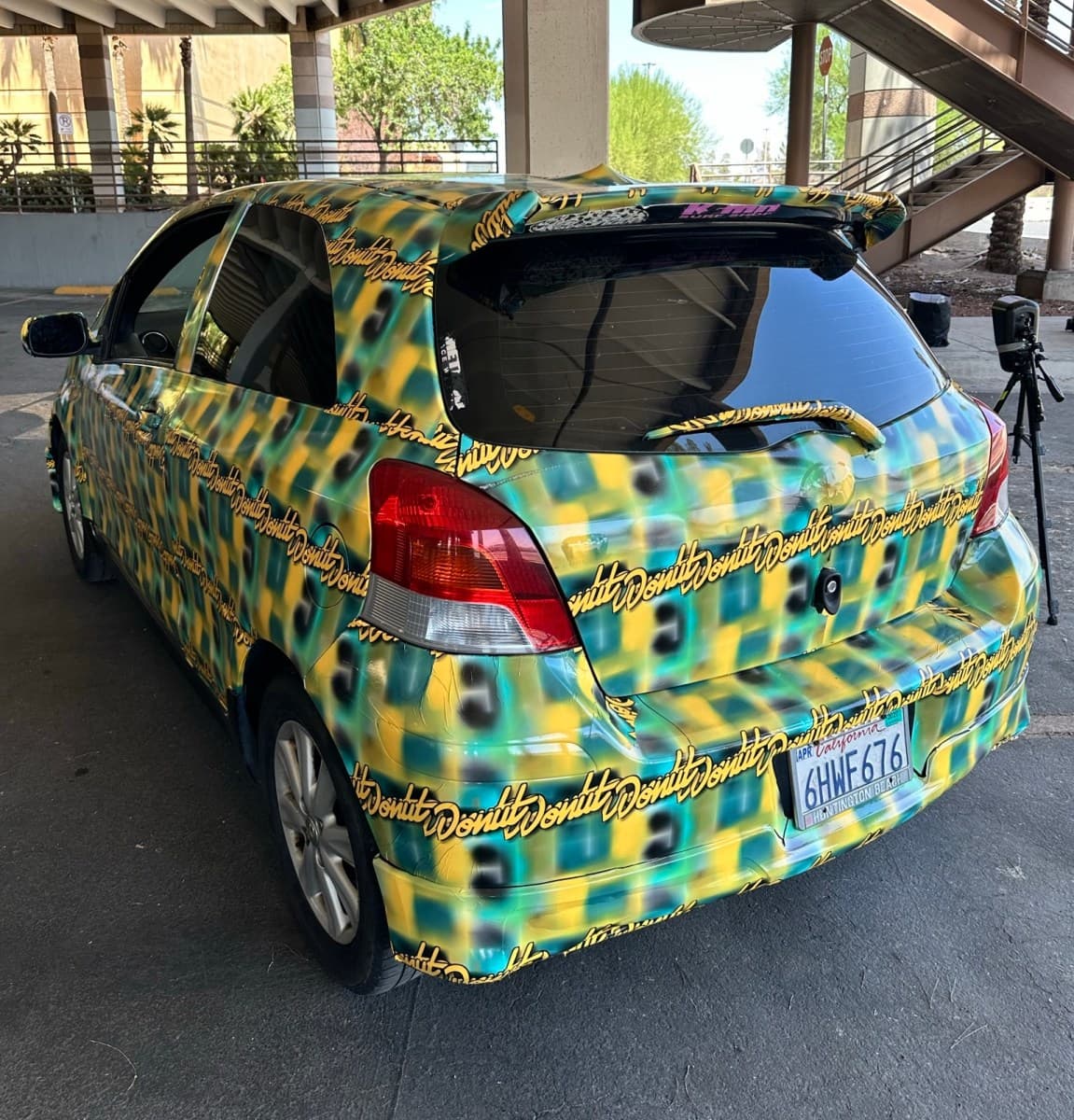
Surveillance cameras that rely on artificial intelligence to detect humans, faces or vehicles can be fooled by a specially designed pattern generated by an algorithm. A security researcher has created a method that produces computer-generated textures capable of making subjects invisible to detection systems, raising new questions about the reliability of AI-powered monitoring.
How the Adversarial Pattern Works
The algorithm crafts a pattern that, when printed on a surface or displayed digitally, disrupts the feature extraction process of object detection models. These models rely on specific visual cues such as edges, textures or shapes to identify a person or a car. The generated pattern introduces calculated noise that causes the model to misclassify or entirely miss the target.
Implications for Privacy and Security
This technique provides a tool for individuals seeking to avoid surveillance in public spaces. Privacy advocates may view it as a way to push back against pervasive monitoring. Security professionals, however, see a vulnerability that could be exploited by malicious actors to evade detection in sensitive areas such as airports or government buildings. The pattern does not require specialized hardware or electricity, only a printer and the correctly optimized design.
Why This Matters
The existence of an openly available algorithm that can defeat surveillance systems shifts the power dynamic between monitored individuals and monitoring entities. As cities deploy more AI-powered cameras for law enforcement and traffic management, the reliability of these systems comes into question. For system operators, this means detection models must be continuously updated and hardened against adversarial attacks. For the public, it underscores that AI-based surveillance is not infallible and that technical countermeasures are accessible to anyone with basic resources.
What You Need to Know
This pattern, called an adversarial patch, demonstrates a fundamental limitation of current computer vision models. The algorithm used to generate it is available online, and the pattern can be printed on clothing or objects. Its effectiveness varies depending on the camera angle, lighting conditions and specific model being targeted. The research highlights the need for more robust detection systems that can resist such targeted attacks.