Editor: Porcia Akua Holmes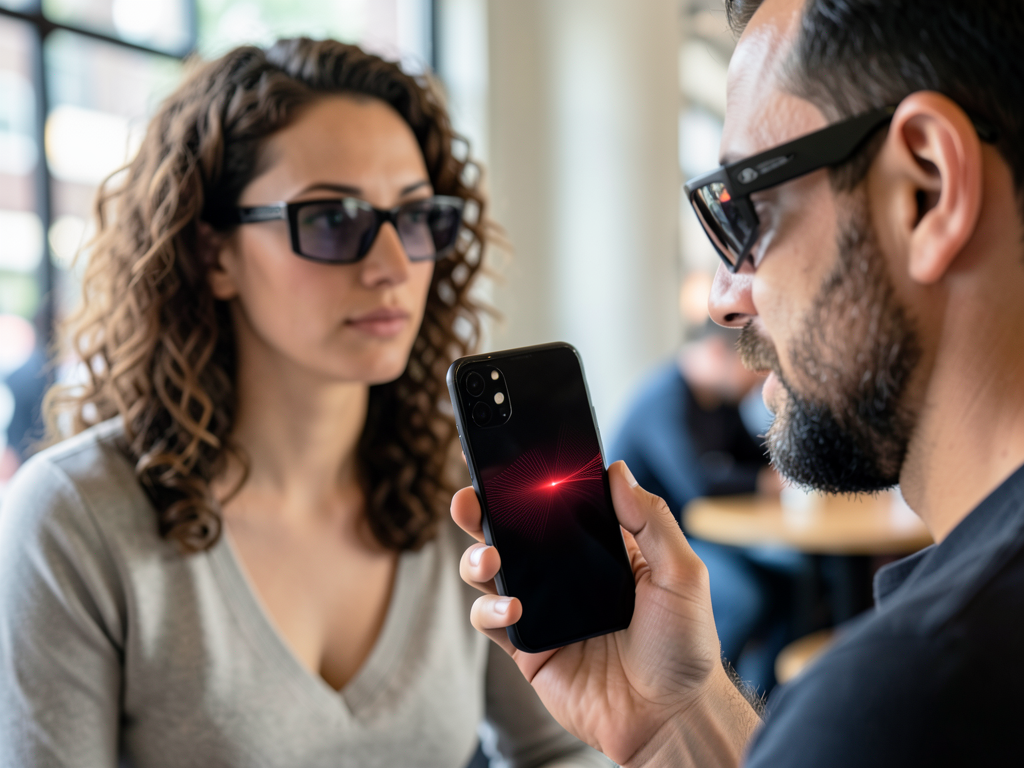
A new free app called ZuckOff claims to detect Meta's Ray-Ban smart glasses before they begin recording, giving privacy-conscious users a digital early warning system. The tool scans for the telltale infrared LED patterns that active smart glasses emit, a signal invisible to the naked eye but detectable through a smartphone camera.
How ZuckOff Works
ZuckOff turns your phone into a passive surveillance detector. When you open the app and point your phone's camera toward someone wearing glasses, it analyzes the viewfinder feed for infrared light patterns emitted by active Meta smart glasses. If detected, the phone vibrates and displays a warning.
The app's creator emphasizes that it can only detect Meta's current generation of smart glasses, which includes the Ray-Ban Meta and Ray-Ban Meta Stories models. Other brands with different infrared signature patterns may not trigger alerts.
Privacy in the Age of Wearable Cameras
The rise of discreet wearable cameras has reignited debates about consent and surveillance in public spaces. Smart glasses from Meta, Snap and others make it possible to record video without the obvious act of pulling out a phone. Bystanders often have no way of knowing whether they are being filmed.
ZuckOff addresses this gap by giving individuals a practical tool to check their surroundings. The app does not prevent recording, but it does restore some awareness. Its appearance reflects a growing demand for privacy countermeasures as smart glasses become more common.
Some critics argue that the arms race between recording devices and detection tools may escalate, with future glasses using infrared filters to avoid detection. The developer of ZuckOff acknowledges this possibility but says the current approach remains effective against today's hardware.
Why This Matters
The implications extend beyond personal privacy. If smart glasses become prevalent in workplaces, schools or public transit, the ability to detect covert recording becomes a practical necessity. ZuckOff represents a new category of privacy protection software that puts detection power directly in the hands of individuals.
For consumers, the app introduces a simple expectation: if you wear smart glasses in a private setting, others may now have a way to verify whether those glasses are recording. This shift could influence social norms around wearable cameras and push manufacturers to include more visible recording indicators.
The app also highlights a broader tension in consumer technology. Companies like Meta invest heavily in making wearables unobtrusive, while users increasingly seek tools to make those same devices visible. ZuckOff, for now, tilts the balance back toward transparency.